
Soho rewards curiosity more than speed. Beyond its restaurants, bars and neon-lit nightlife, there is another Soho that exists a few steps off the main streets. For visitors and Londoners who think they already know the area, the real discovery comes not from booking the hottest table, but from walking slowly and looking sideways. This is where Soho London reveals its quieter power. Mews that mute the traffic, courtyards that hold centuries of use, and fragments of public art that exist purely for those paying attention.
The benefit is immediate. You gain context. You understand why Soho feels different from neighbouring districts, why its nightlife remains intimate rather than sprawling, and why its independent shops and pubs hold such loyalty. These hidden spaces create breathing room between dinner, drinks and late nights. They turn a packed evening into a layered experience rather than a blur.
This walking route is designed for anyone planning a night in Soho who wants more than the obvious. It fits easily between shopping, dining and bars, and it takes around 60 minutes at an unhurried pace. You can complete it in daylight, at dusk or after dark. Each version reveals something different.
How to Walk Soho Without Following the Crowd
The best way to experience Soho is to avoid treating it like an attraction. The area works when you move naturally between moments.
Start close to Regent Street, where Soho meets Mayfair, and drift east and south rather than cutting straight through. Walk without headphones. Let sound guide you. When the noise drops suddenly, you are usually near something worth seeing.
These hidden passages are not separate from Soho restaurants and nightlife. They are the connective tissue that allows Soho to feel dense without becoming exhausting. Locals use them instinctively to move between meetings, pubs and shows. Visitors rarely do.
Golden Square and the Calm Behind Regent Street
Golden Square offers one of the clearest examples of Soho’s ability to hold still.
Just moments from Regent Street, the square opens into a restrained Georgian space that feels oddly protected. Trees soften the sound. Benches invite pause. The surrounding buildings hint at Soho’s long relationship with media, film and creative work.
Laid out in the late 17th century, the square predates Soho’s entertainment reputation. It reflects a time when this area was fashionable rather than flamboyant. That sense of proportion remains.
This is an ideal place to begin a Soho evening. Spend a few minutes here before heading towards dinner. The contrast heightens everything that follows.
Kingly Court and the Reinvention of the Mews
Kingly Court demonstrates how Soho absorbs change without losing structure.
Accessed discreetly from Kingly Street or Carnaby Street, the space was once a functional service alley. Today, it is a vertical courtyard filled with restaurants and bars. Despite commercial polish, the bones remain those of a traditional mews.
Look up. The open roof and stacked balconies reveal the original logic of the space. It was built for movement, not spectacle.
Kingly Court works best in the early evening. Arrive before peak dining hours and walk through without stopping. It gives you a sense of Soho’s modern rhythm without demanding attention. Later, it becomes part of the Soho nightlife circuit, but its value lies in transition.
St. Anne’s Court and Soho’s Uneven Growth
St. Anne’s Court is easy to miss, and that is the point.
Running quietly between Dean Street and Wardour Street, it reveals how Soho grew without a master plan. The passage is narrow, uneven and dim. Buildings press close. Materials clash.
This is Soho stripped of performance. There are no signs explaining the significance. You understand its importance through feeling rather than information.
The court takes its name from St. Anne’s Church, once central to the area, before wartime damage erased it. What remains is atmosphere. It is one of the few places where you can still sense pre-modern Soho without reconstruction.
Walk through slowly. Let your eyes adjust. This is one of the strongest reminders that Soho London nightlife exists on top of something much older.
The Secret Noses and Soho’s Sense of Humor
Soho has always taken pleasure in private jokes.
Scattered across the area are small, sculpted noses attached to buildings. They are easy to walk past unless you know how to look. Created in the late 1990s by artist Rick Buckley, they were placed as a quiet protest against the spread of CCTV.
The most accessible Soho nose sits on Dean Street near Bateman Street. It protrudes slightly, often mistaken for architectural damage. That ambiguity is intentional.
Finding one is a test of attention rather than luck. It rewards the kind of visitor Soho prefers. Curious, patient and amused.
Fun fact: The Seven Noses of Soho were installed overnight in 1997, and several were removed within days, making the remaining examples unintentional survivors of London Street art.

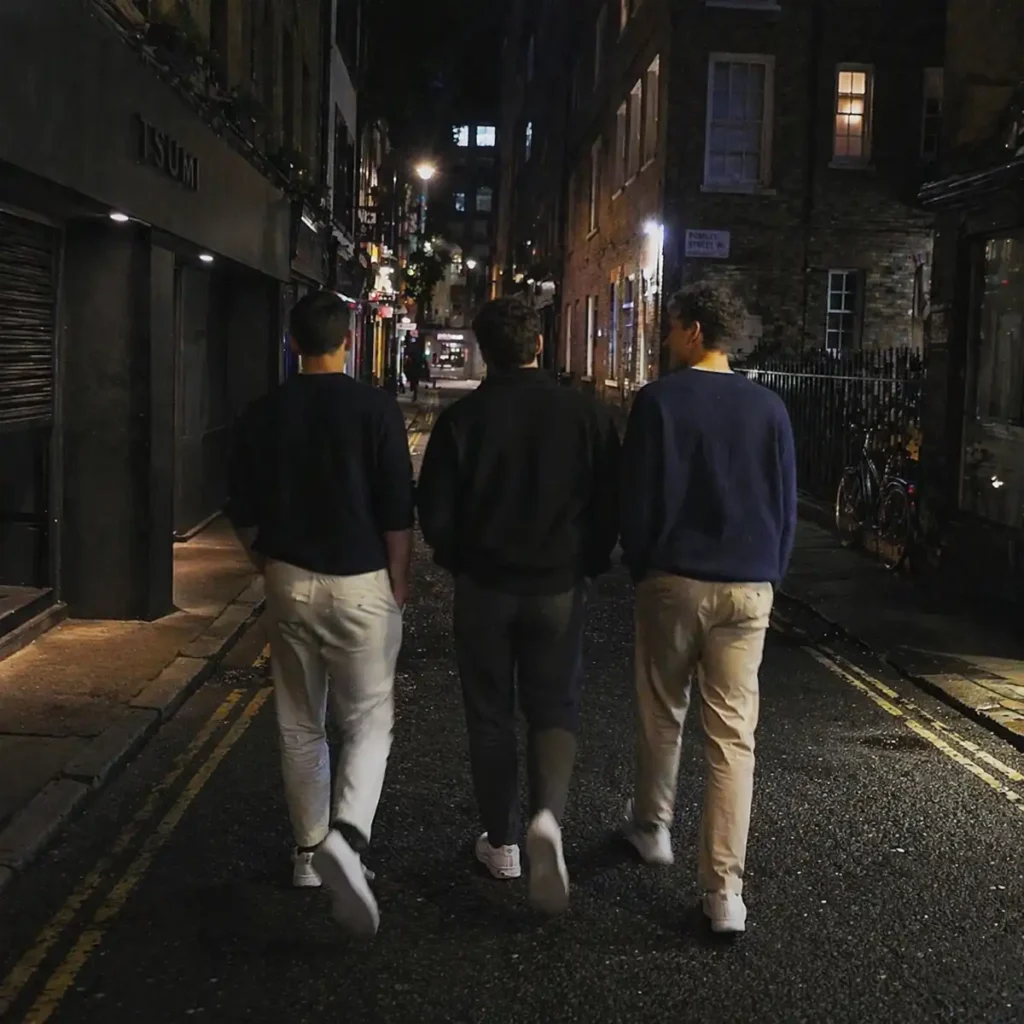
Goodwins Court and the Theatre Backstage Route
Goodwins Court feels like a stage set because it almost is.
Hidden near St Martin’s Lane, the alley is lined with original 18th-century bow-fronted windows that lean inward. Light behaves differently here. Sound compresses.
Historically, this passage allowed theatre workers to move unseen between stages and workshops. That function still feels present. Even now, it attracts performers, directors and designers who know where they are.
Goodwins Court is best visited after dark. The glow from windows and lamps sharpens its geometry. It is one of the strongest visual breaks between modern West End theatre and historic Soho.
Why Hidden Streets Shape Soho Nights
These spaces matter because they control pace.
Soho works when nights unfold rather than escalate. A quiet walk between dinner and drinks allows conversation to reset. It lets energy rebuild rather than spike.
For hospitality professionals and concierges, this knowledge is practical. Suggesting a short walk through a mews or courtyard elevates an itinerary. It transforms a standard dinner and bar plan into an experience.
This is also why Soho remains more intimate than districts like Shoreditch. Its hidden routes compress distance and soften noise. They make late nights sustainable.
Independent Shopping Found Off the Main Streets
Soho’s best independent shopping rarely announces itself.
Side streets and courtyards hold specialist retailers that rely on repeat local trade rather than footfall. Bookshops, record shops and fashion studios often choose these quieter locations intentionally.
Berwick Street remains the most famous example, but smaller pockets exist throughout Soho. Walking without a shopping agenda increases the chance of discovery.
These shops benefit from the same spatial logic as the hidden streets. They feel separate from pressure. Browsing becomes personal rather than transactional.
How Soho Differs from Its Neighbours
Compared with Mayfair, Soho is informal. Compared with Covent Garden, it is less performative. Compared with Shoreditch, it is more contained.
The hidden streets explain why. Soho never opens fully. It reveals itself in fragments. This protects its identity.
Even as restaurants change and bars evolve, the physical layout stays constant. The streets remember previous uses. That continuity anchors Soho restaurants and bars in something deeper than trend.
Planning a Hidden Soho Walk Around Food and Drinks
This route fits easily into an evening.
Start late afternoon with shopping near Carnaby. Walk through Kingly Court without stopping. Continue south towards Golden Square. Eat nearby. After dinner, take St. Anne’s Court on your way to drinks. End near Goodwins Court before the theatre or live music.
Nothing requires booking. That flexibility is key.
Hidden Soho works best when it is woven into plans rather than treated as an activity.
Respecting These Spaces
These passages survive because they remain understated.
Avoid blocking narrow routes. Keep voices low. Photograph discreetly. Remember that people live and work here.
Soho’s hidden spaces are not attractions. They are working parts of the city that tolerate attention when it is thoughtful.
The Reward at the End of the Walk
After exploring Soho’s quieter side, returning to a pub or bar feels earned.
Places like The French House on Dean Street work precisely because they resist modern habits. No screens. No performance. Conversation only.
This contrast completes the experience. You move from discovery to reflection.
Conclusion
Soho’s hidden mews, courtyards and secret details explain why the area still holds cultural weight. They slow the pace, deepen the night and connect food, drink and history into something cohesive. By stepping away from the main streets, you experience Soho London as it was always meant to be encountered. Not rushed. Not packaged. But revealed gradually, one narrow passage at a time.


