Soho Location And West End Footfall
There are few corners of the West End that capture London's current dining mood as neatly as Bocconcino Soho, the group's second London outpost at 59 Great Marlborough Street. Sitting one turn from Oxford Circus, opposite the mock-Tudor frontage of Liberty London and a short stroll from Carnaby, it occupies a stretch of street that has quietly become one of the city's most strategic addresses for hospitality.
Great Marlborough Street has always had a grander bearing than the dense grid of Dean, Frith and Greek Streets to the south. Laid out in the early 1700s and named for John Churchill, 1st Duke of Marlborough, it once housed aristocratic townhouses before shifting into a mixed legal and commercial strip. For much of the 20th century, its best-known occupant was Marlborough Street Magistrates Court, a stage for minor celebrity scandal. The arts left their mark too: composer Benjamin Britten lived at numbers 57-59, rendering this particular patch of brick unusually rich in cultural memory.
Today, that heritage has become part of the commercial proposition. Bocconcino does not simply fill a vacant unit; it inserts itself into a story about London's creative life. To the west, Liberty and Regent Street bring a steady flow of high-spending shoppers. To the east, the street tips into the looser, neon-lit lattice of Soho proper, with Poland Street and Carnaby feeding the nightlife crowd. Bocconcino sits at the hinge between the two, acting as a gateway Italian restaurant in Soho that can skim off Liberty customers at lunch and then serve as a launch pad for evening bar-hopping.
The economics are unforgiving. Just a few streets away, New Bond Street was named the world's most expensive retail destination in late 2025, with rents jumping 22% to $2,231 per square foot. Great Marlborough Street does not reach those figures, but it sits comfortably within the halo where both rents and expectations run high. Office tenants nearby pay prime Grade A rates of around £120 per square foot, a sign of the dense cluster of media, fashion and tech firms in the area, for Bocconcino, that translates into a daytime catchment of well-paid professionals who think nothing of a £30 lunch if the setting feels right.
There is another advantage, harder to see in raw numbers. Oxford Street can record around 13,560 pedestrians per hour, yet many are transient tourists or commuters. Great Marlborough Street receives a smaller share of that flow, but its visitors tend to be more purposeful: Liberty regulars, local office workers, diners who have already decided to eat nearby. For a premium West End Italian restaurant, this filtered footfall is worth more than sheer volume.
Before Bocconcino, the address was home to Manteca, the nose-to-tail Italian that used a residency here to test the waters before moving east to Shoreditch. Manteca's time on the site proved there was a market for serious Italian cooking on this block. Bocconcino's arrival, therefore, does not have to teach diners where Great Marlborough Street is; it has to persuade them that the story has moved from rustic, industrial-chic to polished, high-energy dining with DJs, cocktails and a very different sort of crowd.
From Mayfair Flagship To Soho Pivot
Bocconcino is not an upstart but the latest manoeuvre in a carefully managed expansion led by founder Mikhail Gokhner. A Moscow-born restaurateur with a sizeable portfolio, he has spent the past decade translating a Forte dei Marmi holiday fantasy into a London-facing brand. The original inspiration, drawn from the Tuscan Riviera town famous for its moneyed summer visitors, was a mix of relaxed, ingredient-led cooking and glossy, beach-club indulgence.
The first London Bocconcino opened in 2014 on Berkeley Street, in the heart of Mayfair. Over time, Bocconcino Mayfair established itself as a dependable fixture of the area's Italian scene, appealing to hedge fund regulars, corporate expense accounts and international visitors seeking wood-fired pizza, seafood and a sense of occasion. It weathered the churn of a neighbourhood where concepts and chefs come and go quickly, providing the financial and reputational base from which Soho could be attempted.
Gokhner has spoken of spending around 70% of his time in Britain, framing his London restaurants not as vanity projects but as serious, long-term investments. Having navigated the volatility of the Moscow market, he reads Brexit, sanctions and the pandemic as challenging yet manageable rather than existential threats. That mindset underpins a recent burst of activity: Bocconcino Soho opened in late 2023, Osteria del Mare followed on the Strand, and another site in Notting Hill is planned for 2025.
The move into Soho is not a simple duplication of Mayfair. Instead, it is a deliberate Soho pivot that aligns the brand with a younger, more nightlife-driven audience. Where Mayfair plays to old money, corporate hospitality and luxury tourism, Soho is a territory of the so-called creative class: producers, publicists, retail buyers, tech founders and weekenders looking for somewhere to start or end a night out.
The group's strategy is clear. Mayfair continues to trade on exclusivity and classic luxury cues. Soho offers accessible luxury with high energy, DJs and a dash of speakeasy theatrics downstairs. The two restaurants function as siblings rather than twins, allowing Bocconcino to capture a broad spectrum of occasions: a business lunch in Mayfair, a bottomless brunch or birthday dinner in Soho. In theory, a loyal diner can graduate from one to the other as their needs change, without the brand cannibalising itself.
Design Atmosphere And The Split Level Space
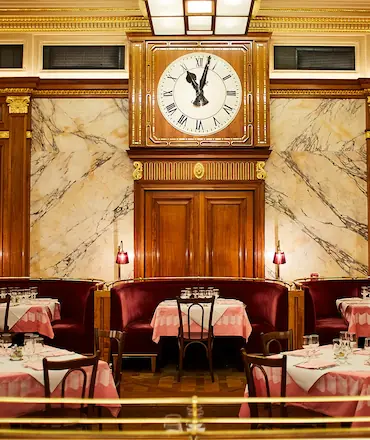
The design brief for Bocconcino Soho went to CO:DE Studios, who were tasked with fusing a traditional Italian dining vocabulary with the more restless energy of Soho. The result is a split-level space that behaves almost like two venues operating under one logo: a bright, buzzy osteria upstairs and a moody, club-adjacent bar called Sotto below.
At street level, the restaurant presents a sweep of Glass that pulls Great Marlborough Street into the room. Inside, the palette centres on warm earthy tones, pale timber and expanses of marble. The marble references classic Italian counters while simultaneously delivering the polished surfaces that photograph well on social media. The room seats around 120, with banquettes, two-tops and counter spots clustered around an open kitchen that provides much of the visual drama.
This kitchen is where Bocconcino's theatre begins. Guests at the counter can watch pizzaiolos stretch Roman-style dough, sauc bases and work the wood-fired oven, while chefs juggle cicchetti and pasta on the line behind. In an era where transparency has become shorthand for trust, the ability to see and hear the kitchen goes beyond entertainment. It underwrites claims of freshness and craft, and adds movement to what might otherwise be a fairly classic dining room.
Daylight is a significant part of the upstairs identity. The expansive windows and relatively high ceilings mean the space works for midweek lunches as well as evening bookings. At noon it reads as a modern trattoria suitable for a client meeting or a relaxed catch-up; by night the lighting dips, the music rises and the same room becomes a pre-party staging post. That day-to-night flexibility is central to Bocconcino's economic model.
Downstairs in Sotto, the mood shifts. Here, the capacity drops to around 26 seated, rising for standing events. The colours deepen into red and orange, and a rippling ceiling installation threaded with light curves above the bar. The effect is to lower the perceived height of the room, tightening the space and making it feel suited to confessions, flirting and late-night Negronis.
Acoustically, Sotto is where the restaurant's high-energy ambitions are most visible. The group hired specialist contractor Marquee AV to install a bespoke Bose Professional system, including DM5SE speakers that blend into the decor and EdgeMax units using PhaseGuide technology to project sound into awkward corners. The aim is even coverage rather than the hot spots and dead zones that plague many party-led restaurants. In practice, that means the DJ can push volume later in the evening while conversations at tables remain possible. For a venue pinned to the concept of vibe dining in London, that balance between soundtrack and speech is crucial.
Roman Pizza Cicchetti And Luxury Pasta
If the room sets the scene, the menu determines whether Bocconcino deserves a place on lists of best Italian restaurants in Soho. The kitchen is led by Head Chef Simone Serafini, whose CV includes time at Cecconi's and the members' club 5 Hertford Street. Both are demanding environments where consistency matters as much as flair, and that background shows in the menu's tight, repetition-friendly structure. Overseeing the broader culinary direction is Executive Chef Marco Corsica, a stalwart of the brand since its 2014 Mayfair opening.
One of Bocconcino's most distinct choices is its commitment to Roman pizza. In a city dominated by Neapolitan operators such as Pizza Pilgrims and Franco Manca, the decision to serve thinner, crisper bases with more structural bite functions as a differentiator. For diners planning to go out afterwards, Roman dough often feels lighter and less sleep-inducing than the puffy, heavily hydrated Neapolitan style. In theory, that allows guests to eat generously, then carry on to another bar without the leaden fatigue that can follow a heavy pizza.
Toppings run the expected spectrum from comfort to luxury. A Pizza Diavola with spicy salami covers the crowd-pleasing end of the scale. At the same time, a truffle-laced pizza caters to those who expect to see luxury ingredients on the table when they are spending Soho-level money. For groups, the pizzas double as shareable centrepieces, particularly at weekend brunch when the bottomless packages come into play.
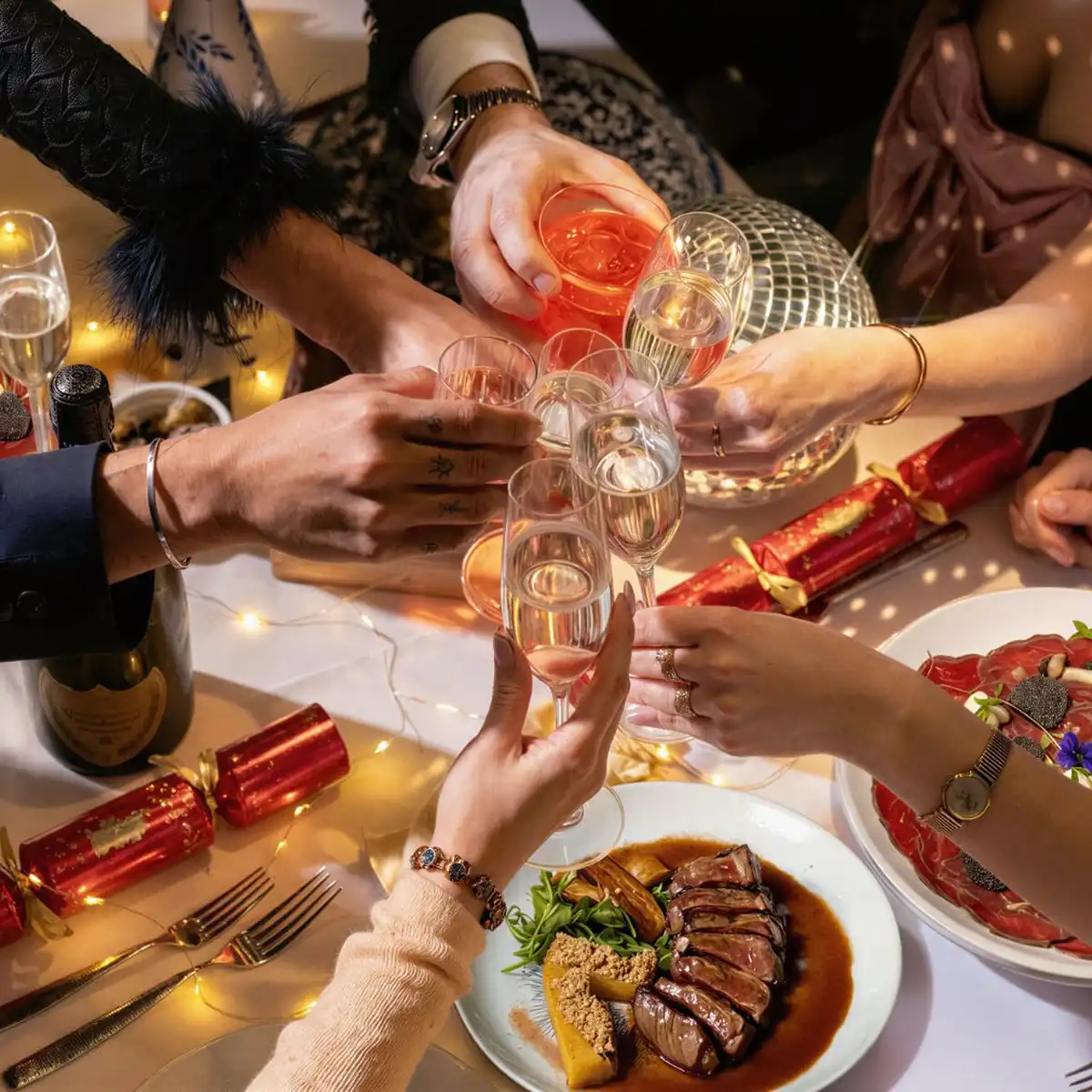
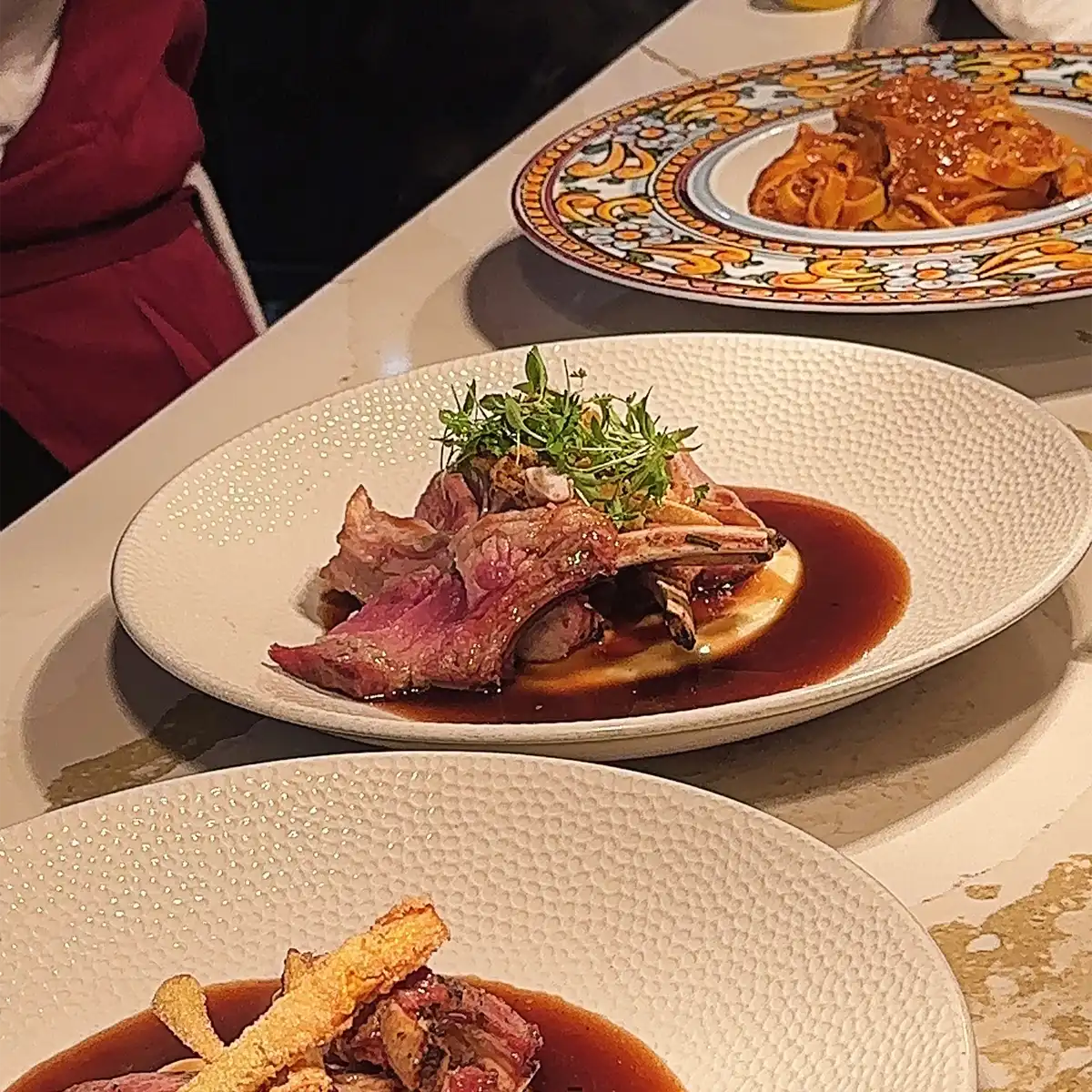
Arguably the most important innovation in Soho, however, is the introduction of cicchetti, a Venetian-inspired section of small plates. In Venice, cicchetti are finger-sized snacks taken at the bar. Bocconcino adapts the idea for seated service and a London appetite for grazing. In practice, this means guests can build a meal from several smaller dishes and drinks, or treat cicchetti as a pre-pizza warm-up.
Typical examples include a baked courgette flower stuffed with ricotta and prawns on a pea purée; a trio of tartares featuring yellowfin tuna, salmon and tuna; and smaller portions of signature pastas that allow diners to try high-ticket dishes such as black truffle tagliatelle without committing to a full main course price. For the restaurant, cicchetti serve a useful function: they increase menu flexibility, encourage group sharing and provide photogenic plates that play well on platforms like Instagram.
The pasta section, though, is where Bocconcino's pricing and ambition become most evident. Main course pastas run from around £30 to £37, placing them firmly in London's upper tier. A tagliatelle with black truffle at £37 acts as both comfort and status symbol, while tagliolini with red Sicilian prawns and bottarga at £30 layers sweetness and saline depth in a way designed to appeal to diners used to serious Italian cooking. At the top of the scale, a lobster linguine at £43 signals that this is a restaurant expecting celebration spend, not casual drop-in trade.
The sourcing narrative blends romance and realism. Menus flag Italian provenance where it matters, from Sicilian seafood to specific flours used for the Roman dough. At the same time, the kitchen leans on British suppliers for certain meats, particularly the Dorset cuts that anchor the Sunday roast. That dual approach allows Bocconcino to talk about authenticity while reducing exposure to the post-Brexit headaches of moving perishable goods across borders.
Fun fact: Composer Benjamin Britten once lived in the same Great Marlborough Street building now occupied in part by Bocconcino Soho
Wine Cocktails And The Sotto Bar
The drinks programme at Bocconcino Soho is built to justify lingering. The wine list functions as a tour of Italy's major regions, with a particular emphasis on the so-called "killer Bs": Barolo, Barbaresco and Brunello di Montalcino, plus Amarone and the inevitable Super Tuscans. Well-known producers, including members of the Antinori stable, sit alongside smaller names positioned as discoveries for enthusiasts.
Entry pricing for wine is not low. Glass pours of simple whites and rosés tend to start in the £9-£11 range, climbing to around £18 for prestige options such as Taittinger by the Glass. In a room where many diners are already spending £30-plus on pasta, that structure helps to keep the average beverage spend per head high, a critical consideration in a building with central London rents.
Under Bar Manager Tim Adams, the cocktail list pushes more overtly into storytelling. Drinks take names tied to Italian geography and atmosphere, such as a Sardinian Sunset, Tuscan Herb Walk or Sicilian Citrus Dream, aligning the Glass with the idea of a holiday in liquid form. The detail is not just cosmetic. Techniques such as barrel ageing give depth to a Negroni that spends six months resting before service, while infusions help generate talking points.
One of the more striking creations is the Linguanotto, a nod to the so-called father of tiramisu, paired conceptually with the dessert that made him famous. Another, the Ligurian Coast Echo, uses focaccia-infused tequila, folding kitchen surplus into a drink and hinting at a zero-waste philosophy. These touches are made for a demographic that likes to photograph what it orders, and for whom a visit might be as much about the bar as the restaurant.
Sotto, downstairs, behaves as an almost separate Soho cocktail bar with food. Its own list, darker visuals, and a self-contained audio system encourage guests to move down after dessert rather than up the street to another venue, from a commercial perspective, keeping the spend within the four walls for an extra hour or two. From a guest's point of view, it offers a night that feels like a restaurant-and-bar hop in one, with fewer queues and less weather exposure.
Pricing Competition And Guest Experience
In marketing material, Bocconcino Soho often describes itself as "accessible yet elevated". On paper, the numbers tell a more pointed story. With starters in the £15-£20 bracket and many mains between £35 and £40, a typical three-course dinner for two with a cocktail each and a shared bottle of wine can move beyond £200 before service. For some diners, particularly in the current cost-of-living climate, that level triggers close scrutiny of both portion size and hospitality.
Guest reviews tend to praise the quality of seafood, tartares and the better-handled pastas, as well as the Instagram-friendly interiors and theatre of the open kitchen. The Sunday roast, drawing on British beef and Italian comfort sides, has become a point of recommendation. The most contested area is value. Some regulars treat the prices as the entry fee for a prime West End site with DJ sets and a built-in party. Others compare directly to mid-priced specialists such as Bancone or Pastaio, where plates of fresh pasta can be had for less than £20, and question the premium.
Bocconcino's answer is to position itself among a different competitive set. On one side lie lower-priced pasta bars. On the other sit, vibe dining neighbours such as Chotto Matte and Hovarda, which combine dramatic interiors with high-energy service and ambitious price points, but offer Nikkei and Aegean menus that some diners find more divisive than Italian. Bocconcino benefits from working in a comfort-cuisine category; few people need to be persuaded to eat pizza or tiramisu.
The Soho site also invites comparison with Cecconi's, the upmarket Italian where Chef Serafini once worked. Bocconcino's pitch here is that it can deliver some of the feel of a members' club-adjacent institution, but with a younger soundtrack, an openly DJ-led weekend brunch and a bar that leans further into experimental cocktails.
Service, as across much of London, appears to be the variable. Post-Brexit staffing challenges have left many mid to high-end restaurants struggling with consistency, and Bocconcino is no exception. Diner feedback mentions warm, charming staff on good days and slower, less coordinated service on others. In a venue that adds a service charge and trades heavily on a luxury atmosphere, that inconsistency can jar. For hospitality professionals watching the venue, this is one of the areas to watch as the model matures.
Beyond the standard lunch and dinner services, Bocconcino Soho has invested in formats designed to drive volume across the week. The "Bottomless Pizza & Bubbles" brunch is the clearest example. Priced at £64 for 90 minutes of unlimited pizza and Prosecco, or £69 with an upgrade to Aperol Spritz, it is a sharp piece of revenue engineering. Pizzas carry relatively low food costs, Prosecco is bought in volume, and the rigid time limit keeps table turns brisk. Meanwhile, live music and DJs deliver enough theatre to justify the spend for groups marking birthdays or hen parties.
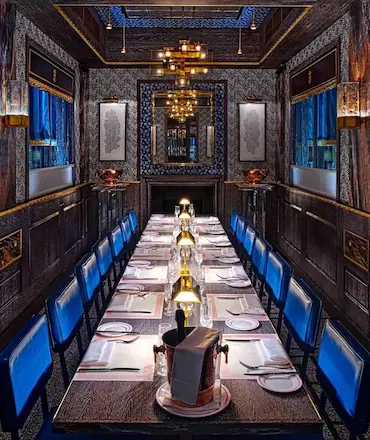
Private and corporate events form another pillar. With Oxford Circus a few minutes away, Bocconcino is well placed for West End corporate dining. The private room within Sotto can host around 25 seated or 30 standing guests, and festive menus from about £65 per person give bookers a clear budget to work with. Semi-private and full buyout options allow the group to secure minimum spends on key December dates and to sell quieter midweek slots to agencies or brands.
Critically, all these strands sit in a market that has otherwise been described as flatlining in 2025. New openings continue, but closures do too, and many operators are fighting simply to stand still. In that environment, Bocconcino's combination of food, theatre, flexible formats and a strong location places it alongside success stories such as The Devonshire as an example of how a hospitality brand can still expand in a difficult climate, provided its proposition is clear.
Who Bocconcino Soho Will Suit Right Now
Taken as a whole, Bocconcino Soho is less a quiet local and more a destination Italian restaurant in central London. It is built for people who enjoy being in the thick of the West End, who want polished surroundings, and who are comfortable paying for the setting as much as for what is on the plate.
For food-focused diners, there is enough here to justify a visit: the contrast of Roman pizza with much of the Neapolitan competition nearby, a cicchetti list that rewards sharing, and pastas that, when well executed, can hold their own among higher-priced peers. The wine list is strong, particularly for those who enjoy exploring Italian regions, and the cocktails at Sotto will appeal to drinkers who like to see technique and narrative in the Glass.
For hospitality professionals, Bocconcino offers a live case study in how to build a vibe-led Italian restaurant that still pays attention to infrastructure. The investment in audio, the clear zoning of the room, the careful balance between Mayfair-style luxury and Soho exuberance, and the layered revenue streams from brunch to private hire show a level of planning that goes beyond simply turning up the volume on a standard trattoria.
This is not, however, a restaurant for every night of the week or for every wallet. Those watching their spending will find better value for pure food at mid-priced pasta specialists, and those who dislike loud dining rooms will struggle with Friday and Saturday peak services. Service inconsistency can feel more acute at this price point than in cheaper rooms.
Suppose you are planning a date night in Soho, a celebratory dinner with friends who enjoy dressing up, or a corporate outing that needs to feel both current and impressive. In that case, Bocconcino Soho is a good choice. Book upstairs for a meal that might stretch into a second bottle, or downstairs in Sotto if the bar and DJ set are the main event. Go with an appetite for pizza and cicchetti, a willingness to explore the Italian-heavy wine list, and a budget aligned with the theatre of the setting rather than a simple plate of pasta.
In a West End that keeps recalibrating after Brexit and the pandemic, Bocconcino Soho feels like a stage where London's new dining priorities play out in real time: spectacle, comfort food, high-energy soundtracks and a constant balancing act between pleasure and price. Suppose Mayfair is the polished drawing room of the Bocconcino brand. In that case, Soho is its party floor, where the lights are lower, the music is louder and the night feels as if it might keep going long after the last slice of Roman pizza has left the pass.
More in the Soho restaurants guide
Part of our Soho restaurants guide.