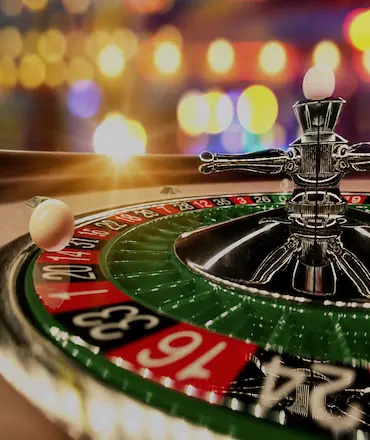
Soho’s casino scene is undergoing a quiet but noticeable transformation in 2026. Long associated with grand halls and discreet, members‑only rooms, the area’s gambling venues are increasingly reimagining themselves as intimate, design‑led spaces woven into Soho’s wider nightlife and hospitality culture.
This shift reflects broader changes in how people use the neighbourhood. Visitors are no longer arriving with gaming as their sole purpose. Instead, they are looking for places where a late dinner can turn into cocktails, music, and a casual flutter without crossing a velvet rope.
For a district defined by reinvention, the move feels natural. Soho has always thrived on blending cultures and experiences, and its casinos are now following suit by opening their doors, softening their image, and placing atmosphere on equal footing with the tables.
From Grand Halls To Lounges
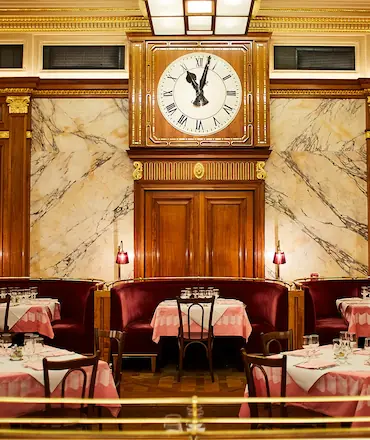
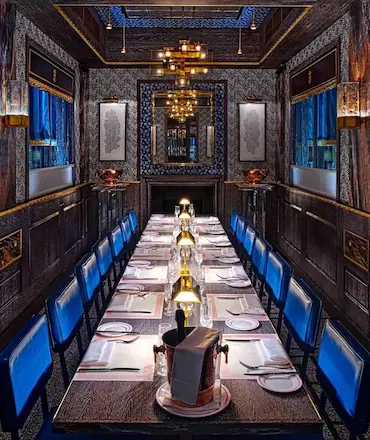
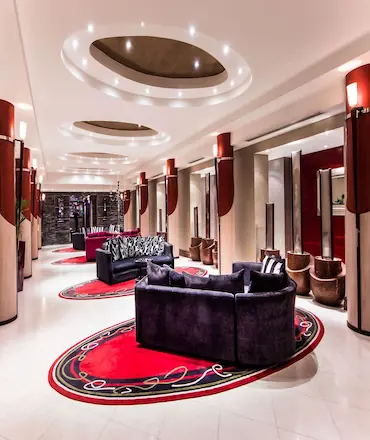
The most visible change is spatial. Traditional casinos were designed to impress, with scale and formality doing much of the work. Today’s Soho venues favour lounges over halls, prioritising comfort, sociability, and visual warmth.
That evolution also mirrors how people engage with gaming beyond physical spaces. Mobile platforms have normalised quick, low‑commitment play, making exclusivity less appealing. As a result, some patrons move fluidly between a night out and digital options, including browsing casino apps listed by GamblingInsider as part of a broader entertainment routine rather than a dedicated gambling session. The expectation is continuity: the same ease and accessibility whether seated at a bar or scrolling on a phone.
Design, Dining, And Atmosphere
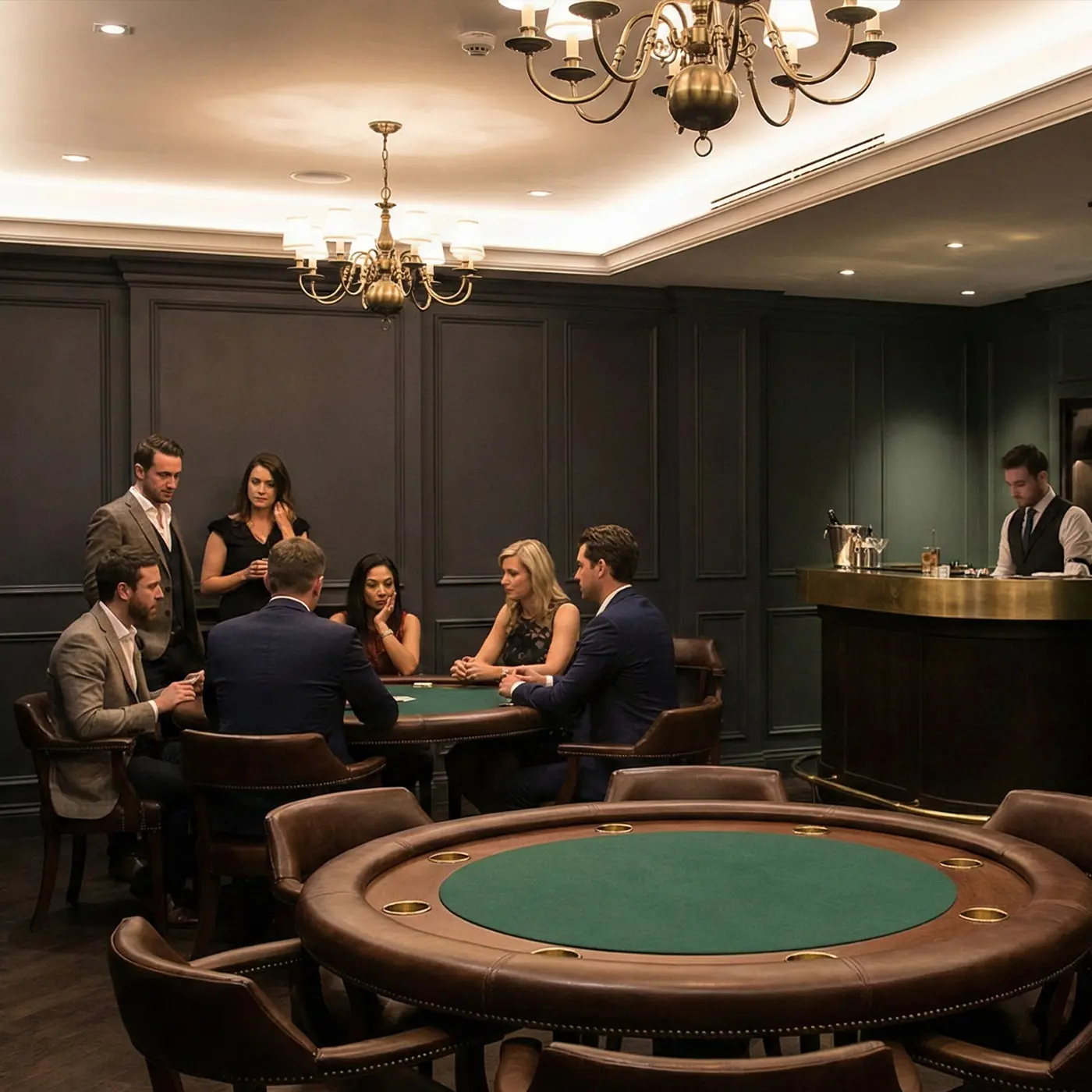
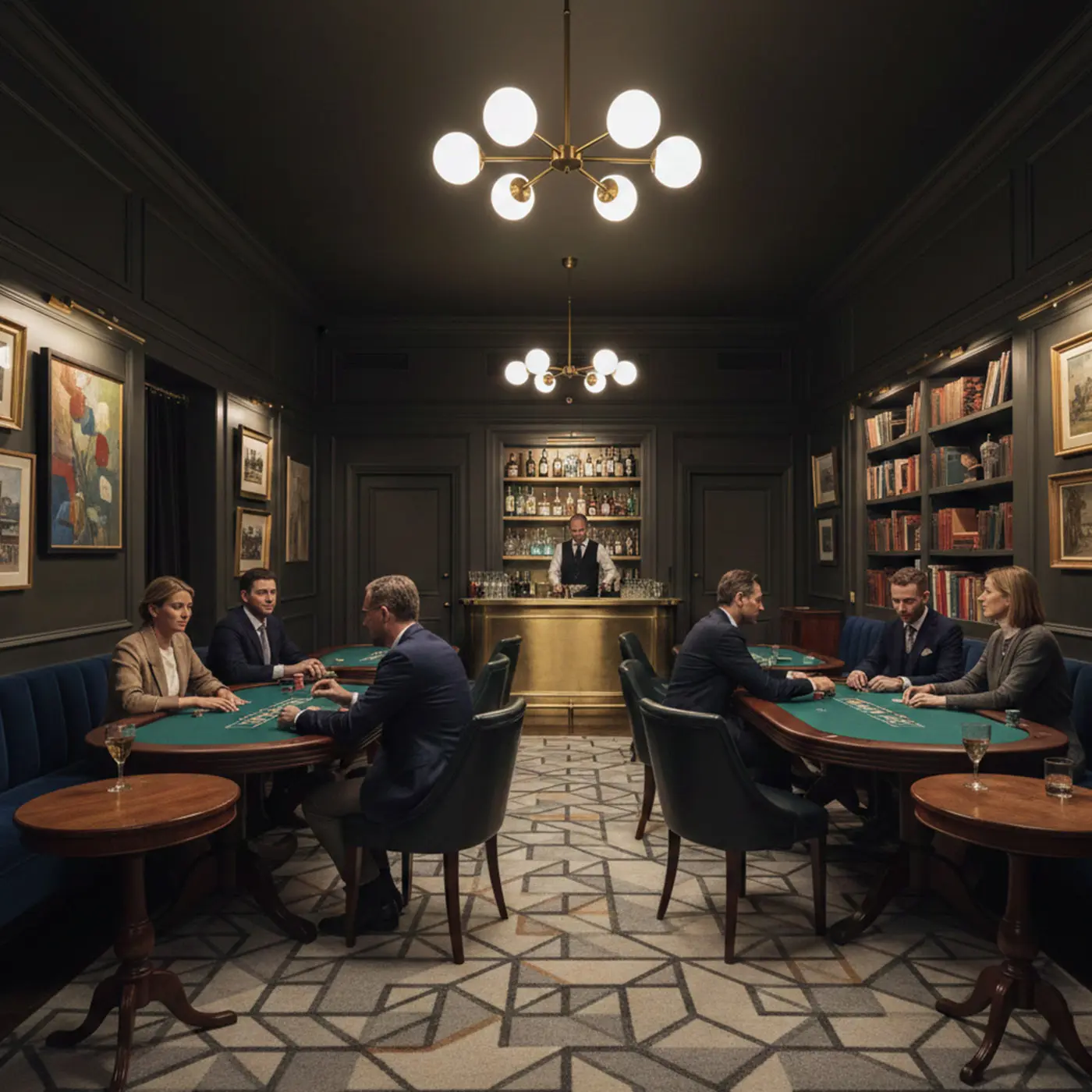
Design has become central to the casino experience, particularly in a style‑conscious area like Soho. Open‑plan layouts, curated lighting, and bespoke interiors now replace closed rooms and heavy partitions, making gaming feel like a natural extension of the evening rather than a separate destination.
Food and drink play a crucial role in that integration. Rather than treating dining as an add‑on, venues are collaborating with chefs and mixologists to create menus that can stand alone. This matters because non‑gaming guests are just as important as players, and a strong hospitality offer keeps them engaged long after the last hand is dealt.
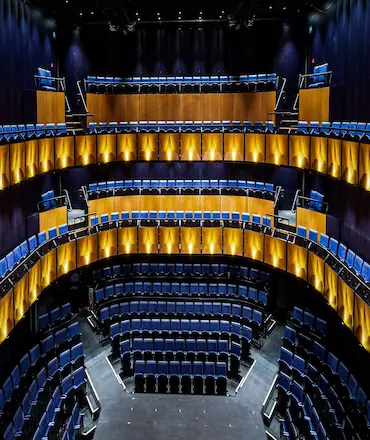
A broader UK trend supports this direction. Casino venues are blending traditional elegance with contemporary comforts such as live shows and personalised experiences, signalling a move toward spaces that appeal to mixed audiences rather than a narrow gaming crowd.
Digital Play Beyond Soho Floors
The rise of boutique casinos cannot be separated from digital competition. Online and mobile platforms have lowered barriers to entry, making gaming more accessible and less time‑intensive than ever. Physical venues, especially in central London, are responding by offering what screens cannot: social energy and sensory depth.
Rather than competing directly with digital play, Soho’s casinos are positioning themselves as complementary. A night out becomes about mood and connection, with gaming folded into the experience instead of dominating it. That approach also acknowledges a reality operators face in 2026: average gambling spend per visit has softened, making volume and dwell time more valuable than high‑stakes exclusivity.
By extending the evening through music, events, and late‑night dining, venues diversify revenue while remaining relevant to a generation accustomed to choice. The real question is not how to pull people away from their phones, but how to give them a reason to put them down for a few hours.
Where Local Culture Meets Casino Style
What sets Soho apart is how closely these venues align with the area’s cultural rhythm. Casinos here are borrowing cues from nearby bars, galleries, and clubs, embracing informality and creative flair. The result feels less like a destination and more like part of the neighbourhood’s existing circuit.
For locals, this integration reduces the sense that casinos are outsiders in the streetscape. For visitors, it reinforces Soho’s reputation as a place where experiences overlap and evenings evolve organically. Gaming becomes one chapter in a longer story rather than the headline act.
Taken together, the shift toward boutique casino experiences signals something larger. Soho’s venues are adapting not just to market pressure, but to changing social habits. By blending design, hospitality, and light‑touch gaming, they are finding a way to stay relevant in a district that has always rewarded those willing to change with it.