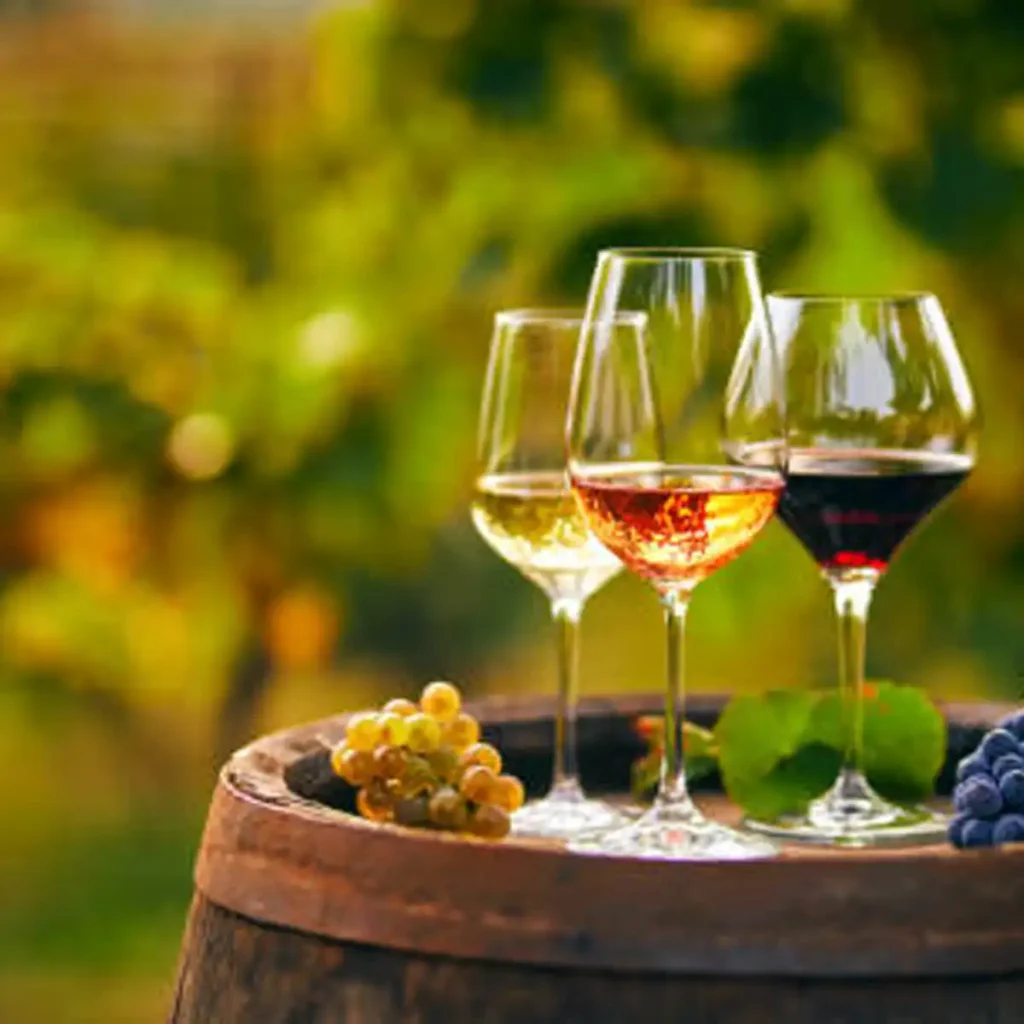
The question many readers are asking in 2026 is simple: What is the most meaningful sparkling wine to open for a proposal or engagement? Increasingly, the answer is Pét-Nat wine, short for pétillant naturel. These wines are made using a single, uninterrupted fermentation, bottled before it finishes, and sealed while still alive. The result is a sparkling wine that prioritises place, grape and season over polish or uniformity.
For couples who value authenticity, sustainability and character, natural sparkling wine has become a serious alternative to Champagne. Pét-Nat wines now sit confidently on the lists of leading restaurants, specialist merchants and natural wine bars across the UK. They are not novelty bottles. They are wines chosen deliberately for moments that matter.
This guide explains why Pét-Nat has emerged as the wine of choice for modern engagements, how it differs from Champagne, and which bottles are best suited to a proposal in 2026. It is written for readers who want to understand what they are opening, not just why it looks good on the table.
Understand What Makes Pét-Nat Different From Champagne
Pét-Nat wines are made using the méthode ancestrale, the oldest known way of producing sparkling wine. Unlike Champagne, which undergoes two separate fermentations, a Pét-Nat completes its fermentation inside the bottle in which it is sold. There is no added sugar, no selected yeast for a second ferment, and usually no dosage at bottling.
This process has several consequences that matter to buyers. First, the alcohol levels are often lower, typically between 10% and 12%. Second, the bubbles are softer and less aggressive. Third, the wine may be cloudy due to retained lees, which are the spent yeast cells from fermentation.
Most importantly, no two bottles are exactly the same. That variability is not a flaw. It is the defining feature of the style. For many drinkers, especially those drawn to natural wine, this is what makes Pét-Nat suitable for a proposal. It reflects a specific harvest, a specific place, and a specific decision by the grower to intervene as little as possible.
Why Pét-Nat Fits the Mood of Modern Proposals
Engagements in 2026 look different from those of previous decades. The focus has shifted away from spectacle and towards meaning. Couples are choosing settings that feel personal rather than performative, and objects that reflect shared values.
Pét-Nat aligns closely with this shift. It is rarely associated with luxury branding or status signalling. Instead, it signals knowledge, intent and curiosity. Opening a bottle of Pét-Nat suggests that the moment has been thought through. It also invites conversation, because the wine itself often prompts questions about grape varieties, regions and farming.
From a practical perspective, Pét-Nat is also easier to handle. Most bottles are sealed with a crown cap rather than a cork and wire cage. This reduces the risk of loud pops or uncontrolled foam, which is useful in public or intimate settings.
Choose the Right Pét-Nat Style for the Occasion
Not all Pét-Nat wines behave in the same way. Some are bright and fruit-driven, designed for early drinking. Others are structured, saline or savoury, and improve with time. Before choosing a bottle for a proposal, it helps to consider three factors.
First, consider colour. White and rosé Pét-Nats are the most common and generally the safest option. Red Pét-Nats exist but can be volatile if not well-made.
Second, consider grape variety. Grapes with naturally high acidity tend to produce more balanced sparkling wines. This includes varieties such as Xinomavro, Baga, Chenin Blanc and Grüner Veltliner.
Third, consider farming. Many of the most reliable Pét-Nat wines come from biodynamic vineyards, where healthy soils support more stable fermentations.
Five Pét-Nat Bottles Worth Opening for a Proposal
The following wines have been selected for their consistency, reputation and availability through specialist merchants. Each represents a distinct expression of the style and offers something different in the glass.
Meinklang Prosa Burgenland Austria
This rosé Pét-Nat from Burgenland is widely regarded as one of the most accessible entry points into the category. Made from a blend of Blaufränkisch and St Laurent, it offers soft red fruit, gentle bubbles and refreshing acidity.
The Meinklang estate farms biodynamically and operates as a mixed agricultural project, with livestock, grains and vineyards integrated into a single system. That philosophy translates into wines that feel balanced and stable despite minimal intervention.
Prosa is particularly well-suited to daytime proposals or informal settings. It works well with light food and does not demand technical knowledge to enjoy.
Claus Preisinger, Ancestral Burgenland, Austria
Claus Preisinger is one of the most respected figures in Austrian natural wine. His ancestral sparkling wines are precise, dry and mineral, with very fine bubbles and a restrained aromatic profile.
These wines are made with minimal sulphur and are typically disgorged, meaning the lees are removed. This results in a clearer wine that still retains the energy of ancestral fermentation.
For readers seeking serious natural wine with structure and ageing potential, this is a strong choice. It suits evening proposals or more formal meals, particularly with oysters or raw seafood.


Thymiopoulos Rosé de Xinomavro Naoussa Greece
Xinomavro is best known as a structured red grape, but in sparkling form it offers remarkable tension and complexity. This rosé Pét-Nat combines red fruit with savoury notes and high acidity.
Apostolos Thymiopoulos farms biodynamically and is widely credited with redefining modern Greek wine. His sparkling wines are produced in small quantities and tend to sell quickly.
This bottle is ideal for couples who enjoy discovering unknown grape varieties and want a wine that feels distinctive without being obscure for its own sake.
Filipa Pato 3B Bairrada Portugal
The 3B cuvée is made from Baga and Bical, two indigenous Portuguese grapes well suited to sparkling wine. It offers fine bubbles, citrus notes and a chalky finish influenced by Bairrada’s limestone soils.
Filipa Pato’s approach is grounded in traditional methods and organic farming, with a strong emphasis on expressing site rather than brand. The wine strikes a balance between familiarity and edge.
This is a good option for readers who want something closer in feel to Champagne, but with a clear sense of place and lower intervention.
Frank Cornelissen Munjebel Etna Rosato Sicily
While not always classified strictly as Pét-Nat, Frank Cornelissen’s volcanic sparkling wines deserve attention. Made from Nerello Mascalese grown on Mount Etna, these wines are saline, mineral and uncompromising.
Cornelissen’s approach involves no additives and extended maceration, resulting in wines that divide opinion but command respect among professionals.
This bottle is best suited to experienced drinkers who value terroir-driven wines and are comfortable with unpredictability. It makes a statement without relying on tradition.
Learn How to Open Pét-Nat Safely
One practical consideration with Pét-Nat is pressure. Because fermentation finishes in the bottle, carbon dioxide levels can vary. To reduce the risk of excessive foam, chill the bottle thoroughly to around 6 to 8 degrees Celsius and store it upright for at least 24 hours before opening.
When ready, open the crown cap slowly and at an angle. If foam begins to rise, pause and allow it to settle. Some producers recommend disgorging, but this should only be attempted by experienced handlers.
Whether to pour off the lees or mix them back in is a matter of preference. Leaving the bottle upright will result in a clearer wine. Gently inverting it before opening will produce a fuller texture.
Fun fact: The term méthode ancestrale predates Champagne by several centuries and was documented in southern France before the development of modern sparkling techniques.
Compare Pét-Nat and Champagne Without Bias
Champagne remains a benchmark for quality sparkling wine, particularly in terms of consistency and ageing. However, it relies on blending, additives and strict house styles to achieve that consistency.
Pét-Nat offers a different proposition. It prioritises transparency over polish and individuality over uniformity. Neither approach is inherently superior. The choice depends on what the moment represents.
For proposals rooted in tradition and formality, Champagne still has a place. For those seeking expression, curiosity and alignment with sustainable wine values, Pét-Nat offers a compelling alternative.
Make the Moment About the Wine and the Meaning
Choosing a bottle for a proposal is not about finding the most expensive or prestigious option. It is about selecting a wine that reflects intention. Pét-Nat, when chosen thoughtfully, does exactly that.
It invites discussion, rewards attention and carries the imprint of a real place and person. Like any meaningful commitment, it is not designed to be identical to what came before.
For readers looking to explore further, specialist merchants and independent retailers remain the best source of reliable Pét-Nat wines. Ask questions, read producer notes and do not be afraid of unfamiliar names. The reward lies in the discovery.