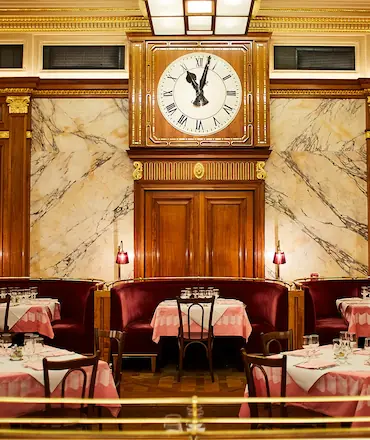
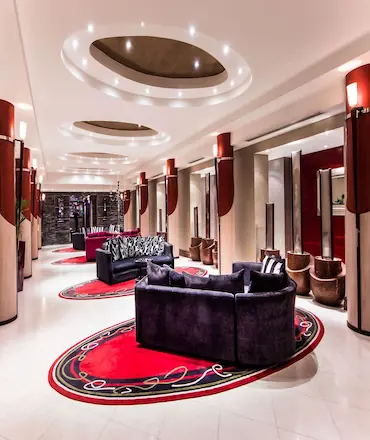
Few retail stores begin with a cocktail in a candlelit dining room, yet that is where luxury interiors label Soho Home truly started. One evening, a guest in Soho House London ran a hand across the velvet banquette and asked who made it and whether they could buy one. The same question echoed through bedrooms, bars and rooftop pools across the global club network. In an age when people search online for more than chairs and lamps, they want an atmosphere that feels lived-in, creative and effortlessly cool. Soho Home responded by bottling that mood and then shipping it around the world.
Origins of Soho Home
The first Soho House opened in 1995 inside a Georgian townhouse on Greek Street. What began as a tight entrance above a restaurant soon became a sanctuary for artists, filmmakers and young entrepreneurs. Each site that followed sharpened the aesthetic: deep sofas, dimmable lighting, vintage rugs, and mismatched china. Members checked out yet longed to check back in, this time at home. By 2016, a business case had written itself, and the founding product line arrived: a set of Barwell crystal tumblers identical to those behind every club bar.
Fun Fact: The Barwell design was inspired by vintage martini glasses discovered at a London antiques market, then recreated using modern lead-free crystal.
What started as one glass turned into hundreds of everyday objects. Soho House supplied the blueprint, members supplied proof of concept, and Soho Home provided the supply chain. The resulting brand now encompasses furniture, textiles, lighting, art, and scent, all tied back to a real club space somewhere on the planet.
From Club to Collection
Every product still passes through the clubs first. Designers sketch pieces for a new House in Bangkok or Brighton, then watch how members sit, stretch and spill red wine. Feedback loops are immediate because guests live with the prototypes. If a marble coffee table stains too easily, it never reaches retail. If a boucle armchair draws compliments, it is scheduled for the next catalogue drop. This system flips the usual retail gamble. Instead of launching untested pieces, Soho Home releases items that have been pre-approved by a paying focus group scattered across six continents.
Shop the Look
Open the website, and you step into a digital club tour. Click White City House to purchase the exact scalloped headboard from Room 34. Click DUMBO, and the Theodore armchair invites you to recreate Brooklyn loft comfort. This shoppable storytelling compresses aspiration into two clicks.
Connection with Soho London
Soho is one square mile yet carries global recognition, a pocket of London that never sleeps and rarely apologises. The brand mines this postcode mythology for colour and credibility.
Creative Energy as Raw Material
Writers, musicians and outsiders have congregated here since the eighteenth century. Coffee houses turned to gin dens, rehearsal studios, film edit suites, and now streaming start-ups. Soho Home packages that restless spirit inside tactile materials. Olive velvet hints at the basement jazz clubs. Patinated brass resembles pub foot rails rubbed by generations.
Architectural Heritage
Much of Soho remains Georgian, including the original club façade on Greek Street. Tall sash windows inform the proportions of display cabinets and wardrobes, while panelled doors inspire carved bed frames. These references ground the range in London design history, preventing it from drifting into mere trend.
Signature Aesthetic
Comfort comes first, followed by character. The look is modern British, soft rather than stark, with nods to mid-century furniture lines.
- Materials: Expect solid oak, ash and walnut paired with Calacatta marble, antique brass and hand-knotted wool.
- Colour: A muted base – clay, sage, rust – punctuated by jewel accents like sapphire velvet or mustard boucle.
- Silhouettes: Curved arms, scalloped backs and generous cushions signal permission to lounge rather than pose.
Each item feels substantial, a quality consistent with British craftsmanship ideals. Importantly, the aesthetic is not fixed. Collaborations, such as the Eva Sonaike collection, introduce West African print, proving that the House formula can absorb global influences without losing its identity.
Expertise Through Craft
Behind the visual polish sits a network of workshops. Hypnos, mattress supplier to Buckingham Palace, stitches the club bed range. Rug weavers in rural India hand-knot patterns that take six months to complete. UK glass blowers revive traditional moulds for Barwell tumblers. These stories appear on product pages and inside swing tags, adding narrative weight to price points.
Facing Sustainability
Customers now demand more than good looks. Soho Home publishes annual ESG data and pledges to halve its carbon intensity by 2030. Moves already made include a BREEAM-rated warehouse and linen recycling projects that transform hotel sheets into postcards. Critics note that external audits continue to rate environmental progress as moderate. The brand answers by highlighting natural materials, longevity and repair services, framing its strategy as evolution rather than an overnight revolution towards sustainable design.
Experiential Retail
Chelsea and Notting Hill studios replace the cold showroom with what feels like a domestic film set. Visitors book free consultations, browse fabric libraries or attend workshops on space planning. Vintage edits appear in partnership with specialist dealers, ensuring one-off finds sit beside the main line. The result is a space that sells belonging as much as goods, a live demonstration of interior design trends shaping high-end urban homes.
A Seat at the Table
Soho Home stepped into a crowded market yet changed the conversation from things to feelings. Its offer is clear. While legacy retailers sell heritage or provenance, Soho Home sells belonging. The shift has reshaped expectations of luxury furniture London shoppers, who now look for an emotional return alongside material gain.

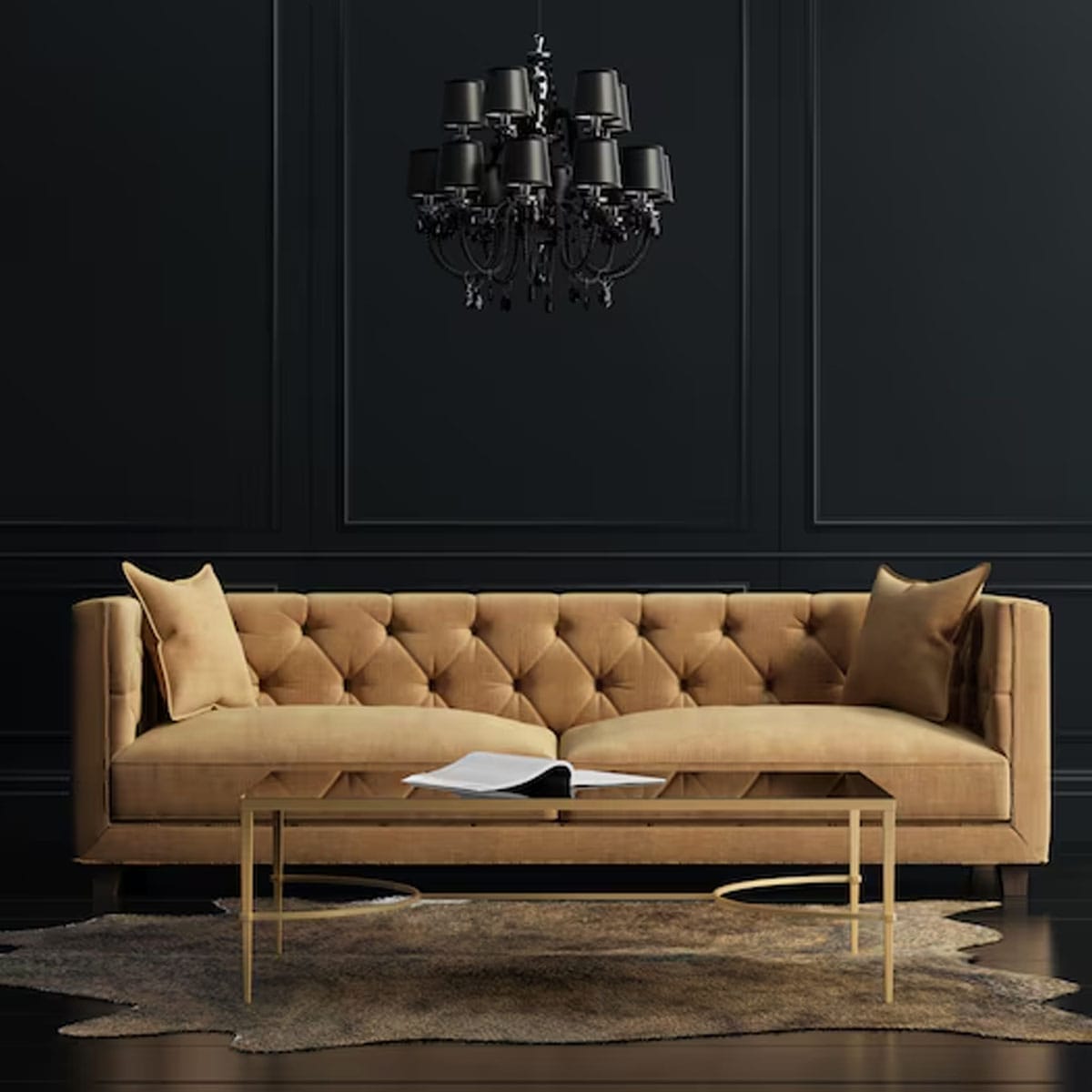
Competitive Landscape among London Icons
Two stalwarts still dominate Marylebone and Tottenham Court Road. The Conran Shop curates global design heroes, each piece a collectable. Heal's champions craft values honed since the nineteenth century. Both remain powerful, yet neither wraps its catalogue in the romance of a private club. Soho Home thrives by turning club camaraderie into retail currency, inviting customers to share a mood first and collect furniture second.
Price points reveal the hierarchy. A velvet three-seater from Soho Home sits mid-way between Heal's and Italian luxury labels, closing the gap for buyers seeking pedigree without five-figure invoices. Conran captures architects who crave originals, Heal's appeals to traditionists, and Soho Home pulls the Instagram generation who relish a quick route to curated cool.
Professional Trade Appeal
Interior designers embrace the brand with nuance. Many specify a Carlisle sofa or Barwell glassware to signal relaxed luxury, then layer antiques or custom pieces for depth. Trade accounts give preferential rates plus access to made-to-order options, making Soho Home a flexible toolkit. Designer briefs increasingly reference "Soho House vibe" as shorthand for low-lighting, tactile textiles and informal symmetry. The vocabulary has spread from Shoreditch lofts to country conversions, proving the aesthetic scales beyond urban clubland.
The Power of Soho House Membership
Membership structures work like concentric rings of access. At the centre sit full Soho House members who enjoy year-round discounts and first peek at capsule drops. Next comes Soho Friends, a low-fee scheme that unlocks meaningful savings, priority sale windows and booking perks across the club network. Casual browsers hover outside yet remain exposed to subtle prompts urging them to step inside the ring.
The genius lies in arithmetic that rewards commitment. Spend two thousand pounds on a dining table and the fifteen per cent saving covers the annual Friends fee in one click. The model converts single purchases into long-term relationships, feeding databases that power tailored newsletters, early invites and loyalty events. Soho House membership thus becomes an engine for repeat revenue as well as a status marker.
Community and Content Strategy
The Studios serve as physical touchpoints, but storytelling carries the brand beyond bricks and mortar. House Notes magazine, online mood boards and weekly emails guide readers through fabric care, room flow and home styling tips. Articles feature Soho staff photographers rather than stock imagery, preserving authenticity.
Event programming deepens engagement. Panel talks with set designers, floral workshops or supper clubs partner with sustainable farms. These gatherings cultivate a sense of insider privilege that money alone cannot guarantee. Combined with lively Instagram reels and pin-ready home decor ideas, the ecosystem keeps customers orbiting long after checkout.
Sustainability on Trial
Ambition meets scrutiny on the route to net-zero. The brand publishes progress updates, from BREEAM-rated logistics hubs to wool off-cut recycling. It promotes repair services and highlights recyclable packaging. Independent auditors, however, still place Soho Home in the middle tier for ecological impact. Bridging the gap will require transparent sourcing for every product line, plus lifecycle reporting that moves beyond marketing copy. Success would future-proof credibility among climate-aware consumers and professional specifiers alike.
Digital Commerce and Global Reach
Lockdowns fast-tracked online furniture shopping habits, and Soho Home met demand with a friction-free platform. Multiple currencies, AR room-view tools and live chat designers support international buyers from Austin to Auckland. Logistics partnerships offer white-glove delivery, reinforcing the premium feel. As competition intensifies, expect deeper localisation, faster micro-warehousing and perhaps regional studios that replicate the Chelsea formula in Hong Kong or Berlin.
Future Challenges
- Scale versus Scarcity
- Too much growth could erode the aura of exclusivity. Each new club risks diluting the original Soho mystique. The retail arm must therefore pace expansion while maintaining tight control over quality and narrative.
- Authenticity under Spotlight
- Social platforms reward transparency. Any hint of greenwashing or outsourced craftsmanship masquerading as artisan will surface quickly. Continuous auditing and open reporting will be essential for trust.
- Shifting Consumer Values
- Gen-Z luxury buyers prize ethics and circularity. Soho Home must demonstrate that velvet cushions can be aligned with regenerative farming and fair-trade dyeing. Partnerships with innovative material labs could answer that call.
Conclusion: Living the Story
Soho Home started as a souvenir service for guests who did not want their stay to end. It has since matured into a playbook for twenty-first-century lifestyle branding, one that stitches hospitality, content and commerce into a seamless narrative. The furniture succeeds because the feeling comes first. Sit on a Theodore armchair at DUMBO House and you remember rooftop sunsets over the East River, ambient soul on the speakers and a negroni resting on Arabescato marble. Purchase the same chair, and the memory ships with it.
That equation turns objects into experiences, experiences into community and community into advocacy. Competitors may copy silhouettes, but the emotional copyright remains with Soho Home. Its next chapter will hinge on harnessing that goodwill for sustainable innovation, doubling down on transparency and keeping membership magic alive as the world changes. When it achieves those aims, the brand will continue to prove that a well-made chair is more than a seat. It is an invitation to belong. As the old saying goes, home is where the heart is.