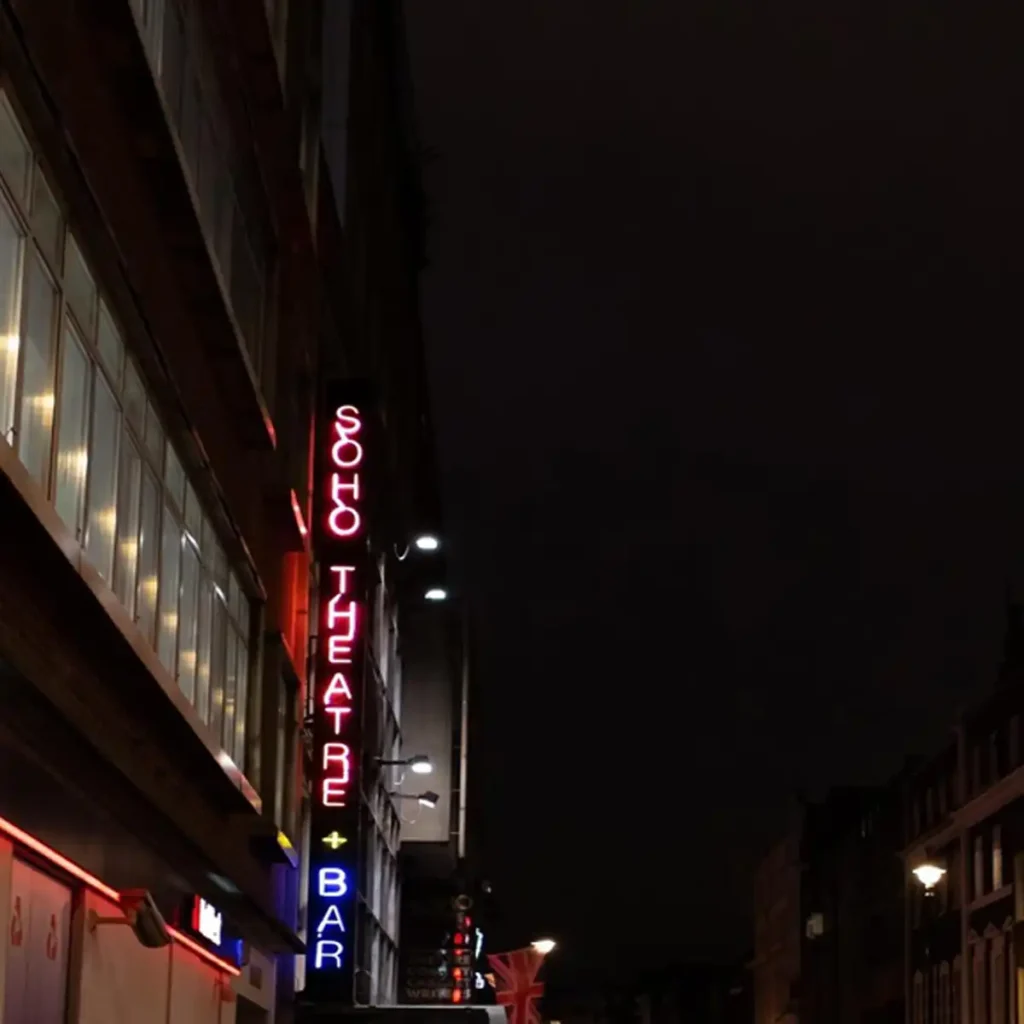
Soho has never really played by the rules, and that is exactly what makes its gaming history so fascinating. Tucked into the heart of London, this small but influential district has long been a place where entertainment, risk, and reinvention collide. From smoky back rooms to polished casino floors and now digital platforms, gambling here has always mirrored the wider mood of the city.
In the 18th and 19th centuries, Soho’s reputation as a playground for the unconventional was already well established. Coffee houses, theatres, and music halls brought crowds looking for distraction, and gambling naturally followed. Games like Faro and Hazard became fixtures, often played behind closed doors in makeshift venues that blurred the line between social club and illicit den. It was lively, unpredictable, and not always legal, but that only added to the appeal.
As time moved on, the scene began to shift. The mid-20th century brought a turning point with the introduction of the Betting and Gaming Act 1960, which helped bring gambling out of the shadows. Suddenly, licensed betting shops and casinos could operate more openly, and Soho adapted quickly. Venues became more structured, and the atmosphere changed from underground secrecy to something closer to organised nightlife. Today, many top casino games are available online, reflecting just how far accessibility has come since those early days.
This period also connected Soho to some of London’s most iconic gambling names. Establishments like Crockfords, just a short distance away, helped shape the idea of what a casino could be, while places such as the Clermont Club brought glamour and exclusivity into the mix. Soho itself may not have housed the grandest venues, but it fed directly into this wider culture, acting as a gateway between gritty beginnings and high-end experiences.
The 1980s were less kind. Economic struggles and rising crime rates affected the area, and gambling venues were not immune. The tone shifted again, with fruit machines and fixed-odds betting terminals replacing some of the traditional table games. What had once felt social and electric became more individual and, at times, more transactional. For a while, the sparkle dimmed.
Then came the digital revolution. By the late 1990s and early 2000s, online gambling began to reshape everything. Physical venues had to rethink their place in a world where players could access games instantly from home. The updated Gambling Act 2005 introduced tighter regulation, aiming to balance innovation with player protection. Soho, true to form, adapted rather than resisted.
Today, gambling in and around Soho feels like a refined version of its former self. While many of the largest casinos sit just beyond its borders in areas like Leicester Square and Coventry Street, the influence of Soho remains clear. Modern venues focus on experience as much as the games themselves, blending poker tables with cocktail bars, live entertainment, and a sense of occasion.
What makes Soho’s gaming history stand out is not just the venues or the legislation, but the way it has constantly evolved without losing its edge. Whether it was whispered bets in hidden rooms or high-stakes games among the elite, the underlying draw has always been the same. It is about risk, excitement, and the possibility of something unexpected happening at any moment.
In many ways, Soho’s story has come full circle. What began as informal, sometimes chaotic gaming has transformed into a regulated and diverse landscape that now stretches into the digital world. Yet the spirit remains unchanged. It is still a place where people come to be entertained, to take chances, and to experience a side of London that never quite stands still.