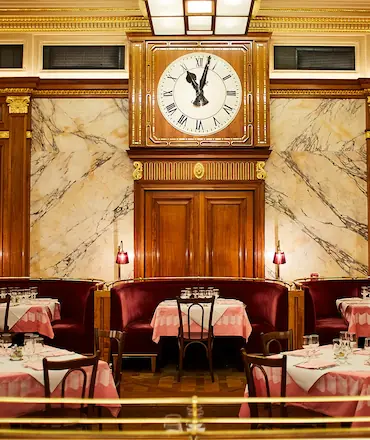
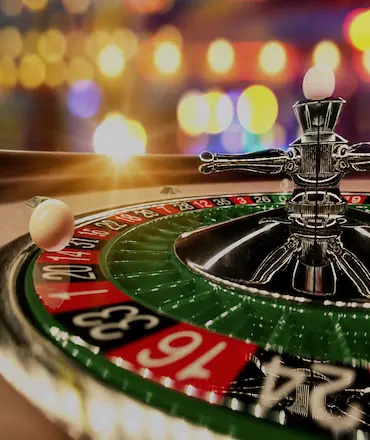
Film noir, with its chiaroscuro shadows and morally compromised protagonists, has always been a genre obsessed with the thin line between chance and fate. Its characters gamble with their futures, not always with cards or dice, but with decisions that could ruin them. A detective steps into a dark alley, a femme fatale accepts a cigarette, a desperate man makes one wrong deal—these are bets every bit as potent as the spin of a roulette wheel.
That psychology of risk remains strikingly relevant today. Whether in the casino or the digital marketplace, people are often pulled toward uncertainty, persuaded that the next turn might bring fortune. The seduction of risk is as old as noir itself, wrapped in suspense and punctuated by the possibility of loss.
It’s no coincidence that fans of noir often overlap with those who thrive on games of chance. In both realms, there’s allure in teetering at the edge of control. Just as audiences lean forward when a character edges toward disaster, modern risk-takers push boundaries online, sometimes with the ease and accessibility of the greatest PayPal online casino UK.
Noir reminds us that it isn’t necessarily the outcome that excites, but the process—the tension in waiting, the suspense of not knowing what comes next.
Iconic London film influences and Soho cinemas
If Los Angeles gave us the blueprint for noir, London gave it a second stage. The city’s fog, gaslight, and cobblestone alleys became cinematic shorthand for secrecy and risk. Post-war Britain embraced noir both as entertainment and as commentary on a society rebuilding itself.
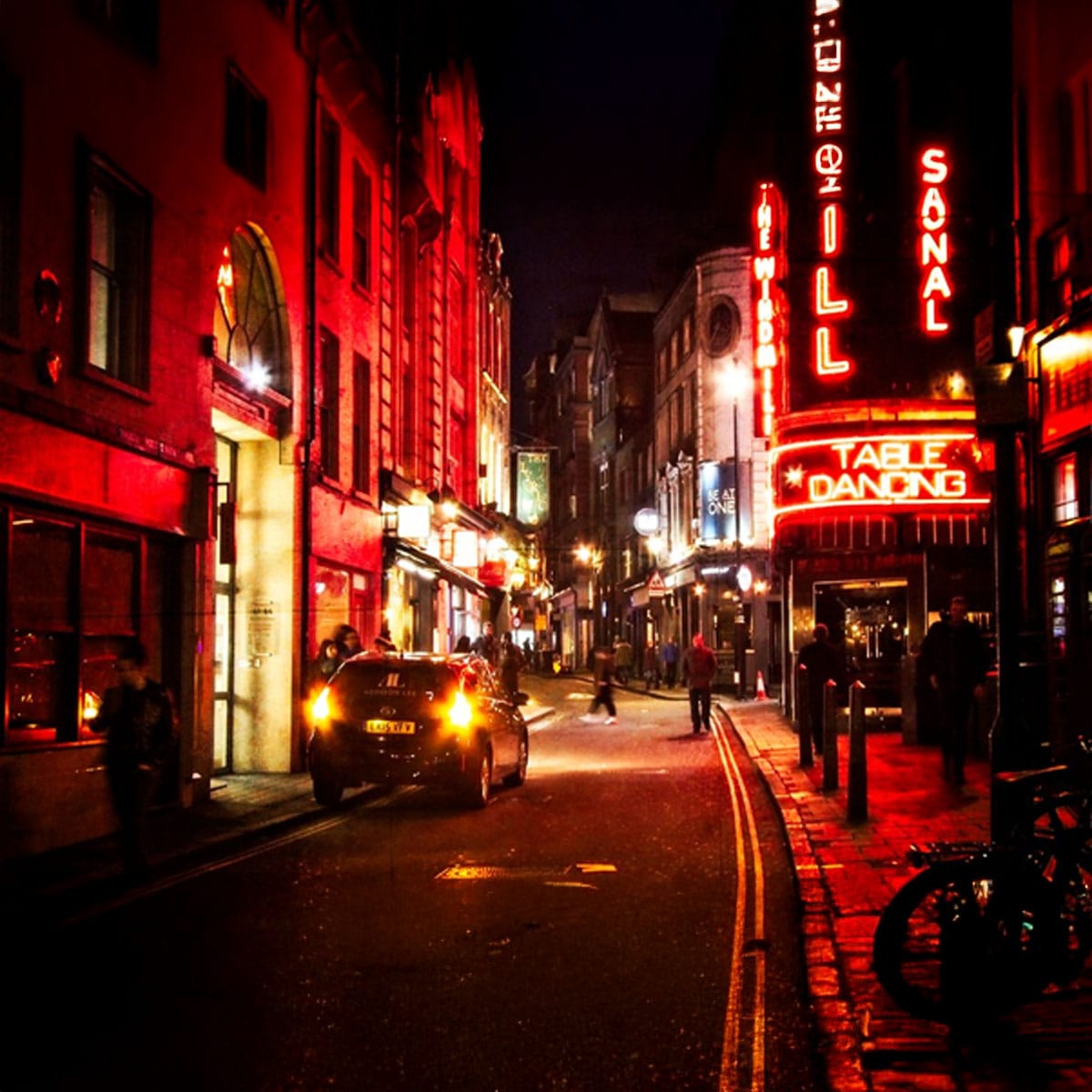
Soho, in particular, was at the heart of it. Its narrow streets, lit by neon and filled with late-night promise, made for a backdrop that seemed to invite shadowy plots. Cinemas along Wardour Street screened American imports—Bogart, Bacall, Chandler adaptations—while British directors used the same geography to craft homegrown noir. Films like Brighton Rock (1948) and The Third Man (1949), though partially set abroad, bore London’s fingerprints in tone and style.
For decades, Soho’s cinemas doubled as cultural laboratories. They attracted not just moviegoers but writers, gamblers, and hustlers who blurred the line between the reel and the real. Noir wasn’t just something projected on the screen—it was lived in the cafés, gambling dens, and nightclubs that filled the area.
Even today, walking through Soho carries echoes of noir aesthetics. The refurbished Curzon cinema, independent film houses, and hidden bars remind us that suspense is not confined to the past. The district continues to embody noir’s promise: mystery around every corner, risk at every threshold.
The language of suspense in film and digital entertainment
Suspense is a universal language, and noir refined its grammar. The slow burn of footsteps on wet pavement, the shadow lengthening across a wall, the unlit cigarette poised in anticipation—all these gestures taught audiences how to feel uncertainty.
This grammar has migrated seamlessly into digital culture. Video games employ similar techniques: dim lighting, timed choices, and ambiguous moral paths. Casino platforms, too, borrow from noir’s lexicon. The pause before a slot machine reveals its symbols, the theatrical reveal of cards at a blackjack table—all heighten the suspense beyond the mechanical act itself.
The modern vocabulary of suspense often hinges on pacing. Too fast, and the thrill evaporates; too slow, and the audience disengages. Noir was masterful in striking the balance. Directors like Carol Reed or Jules Dassin knew that a single pause could stretch nerves tighter than an action sequence. Today’s digital designers follow suit, understanding that engagement is tied less to outcome than to the thrill of anticipation.
Shared devices of suspense across mediums:
- Delayed reveals (from flipped playing cards to withheld camera cuts).
Stark contrasts in light and sound that amplify unease. - Characters or players placed knowingly “out of their depth.”
Suspense, whether cinematic or digital, is an economy of restraint. It is what keeps us watching, waiting, and playing.
How mystery and tension drive engagement
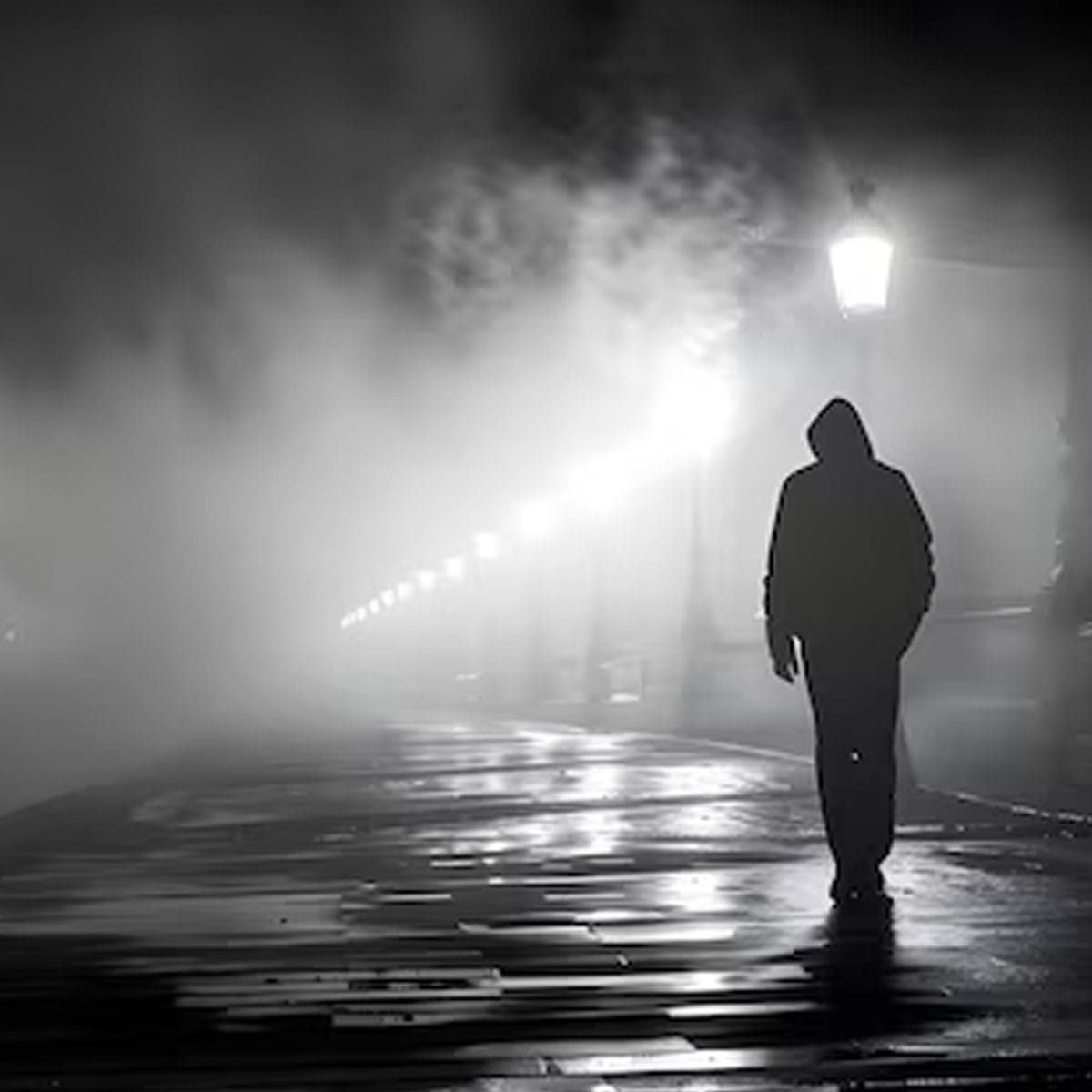
Mystery is fuel for curiosity. In noir, we stay in our seats because we need to know: who killed whom, who betrayed whom, who will survive. The resolution matters less than the journey through the fog.
The same mechanics shape digital engagement. Social media thrives on cliffhangers—the headline cut off mid-sentence, the video paused at its most ambiguous moment. Casino games lean on this same principle: spins, deals, and dice throws are miniature cliffhangers, each round a question demanding an answer.
Case studies across both fields suggest that uncertainty drives deeper commitment. A player who knows the outcome in advance disengages. A viewer who can predict every plot twist leaves the theatre unmoved. By preserving ambiguity, creators ensure audiences remain emotionally invested.
Parallels between noir and interactive entertainment
| Noir Technique | Casino/Digital Parallel | Effect on Audience/User |
| Delayed revelation | Slot spin animation | Builds anticipation |
| Ambiguous characters | Multiple game endings | Sustains curiosity |
| High-risk decisions | All-in bets/bonus rounds | Emotional immersion |
| Use of shadow & sound | Dark UI, suspenseful audio cues | Heightened engagement |
Mystery, then, is not a byproduct but a deliberate strategy. Suspense doesn’t just entertain—it binds audiences to the experience, making them complicit in the risk.
Why noir aesthetics still resonate with modern audiences
Decades after its golden age, noir still commands a presence in modern storytelling. From neo-noir films like Drive (2011) to streaming series such as Babylon Berlin, the aesthetics persist because they tap into timeless truths.
Noir speaks to universal anxieties: corruption, desperation, the fragility of luck. These themes don’t age. As long as people face uncertainty—economic, social, or personal—noir will feel relevant. Its shadows mirror our doubts; its flawed heroes reflect our compromises.
Visually, noir also continues to inspire. The interplay of darkness and light fits comfortably in the digital age, where minimalist interfaces echo chiaroscuro contrasts. Advertising, music videos, and online gaming platforms borrow liberally from noir’s visual toolkit because it signals sophistication and intrigue.
Perhaps most importantly, noir offers audiences a mirror for their relationship with risk. Just as the detective chooses whether to confront the gangster, the player chooses whether to place another bet, the viewer whether to trust a character. These choices resonate because they echo daily dilemmas: play safe, or take a chance?
Noir endures because it articulates suspense in a language we all understand. It reminds us that risk is not only about winning or losing—it’s about the thrill of living in the space between.