
Soho has always been one of London’s most dynamic neighbourhoods. Known for its nightlife, independent businesses, and constant movement of people, it is an area that rarely stands still. From boutique hotels and serviced apartments to flats above busy streets, Soho’s property landscape is defined by high turnover and dense occupation.
However, behind that fast-paced environment, property owners and operators are increasingly dealing with a quieter issue. Bed bug infestations are becoming more common across Soho, driven not by hygiene, but by the very lifestyle that makes the area so popular.
A Byproduct of Soho’s Constant Movement
Unlike more residential parts of London, Soho experiences a constant flow of people moving in and out of properties. Guests arrive daily, tenants change frequently, and short-term stays are common. This level of movement creates ideal conditions for bed bugs to spread.
They do not appear because a property is unclean. Instead, they travel passively, often through luggage, clothing, or soft furnishings. In an area where people are regularly arriving from different parts of the UK and abroad, infestations can be introduced without warning.
Once inside a building, the layout of many Soho properties allows the problem to escalate quickly. Older structures, shared walls, and compact spaces mean bed bugs can move between rooms and neighbouring units far more easily than many people realise.
Why Soho Properties Are More Vulnerable
The nature of Soho’s buildings adds another layer of complexity. Many properties combine residential and commercial use, with flats located above restaurants, bars, or retail spaces. These environments are often busy, warm, and active late into the night, all of which contribute to conditions where bed bugs can thrive unnoticed.
In these settings, infestations are rarely isolated. What starts in one room can spread across an entire property, or even into adjacent spaces, particularly if the issue is not identified early.
For landlords, managing agents, and hospitality operators, this creates a difficult situation. The problem is not always immediately visible, but once established, it becomes increasingly disruptive.
The Business Impact in a Competitive Area
In Soho, reputation is everything. Whether it is a boutique hotel, a serviced apartment, or a rental property, guest experience and perception play a significant role in ongoing success.
A poorly handled infestation can quickly lead to complaints, negative reviews, and operational disruption. In some cases, properties may need to pause bookings or limit occupancy while treatment takes place. If the issue is not resolved the first time properly, repeat infestations can add further cost and inconvenience.
This has led many property professionals in the area to reassess how they approach bed bug treatment.
Why Traditional Treatments Often Fall Short
Historically, bed bugs have been treated using chemical-based methods applied over several visits. While this approach can work in certain situations, it often proves less effective in high-turnover environments like Soho.
Chemical treatments rely on repeated access to the property and may not fully reach hidden areas where bed bugs live, such as within furniture, structural gaps, or behind fixtures. In busy properties, coordinating multiple visits can be difficult, and disruption to guests or tenants becomes a concern.
There is also the added risk that incorrect or partial treatment can disturb the infestation, causing it to spread further within the property.

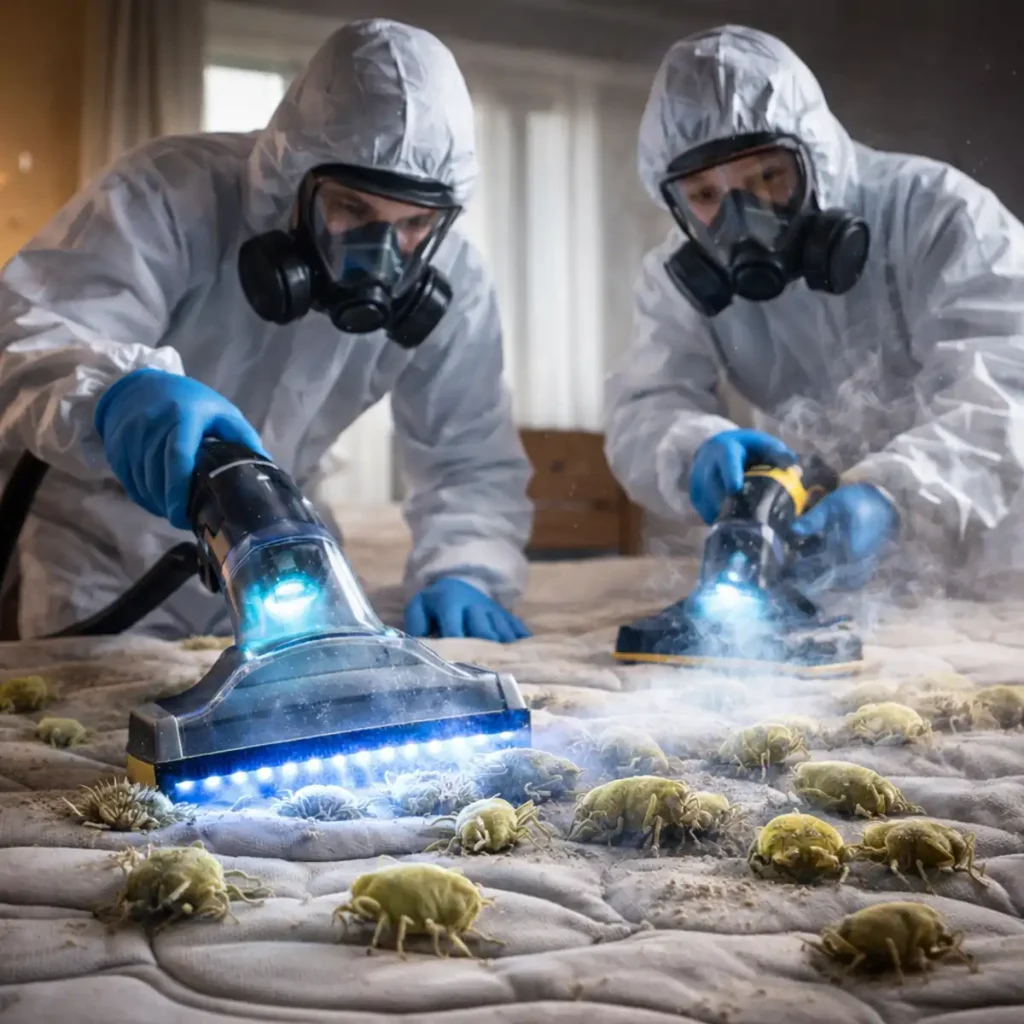
The Shift Towards Heat-Based Solutions
As a result, many Soho property owners are now turning towards heat treatment as a more reliable alternative.
Professional heat treatment works by raising the temperature of a room or entire property to levels that are lethal to bed bugs at all life stages. Unlike sprays, heat penetrates deeply into fabrics, furnishings, and structural areas, eliminating the infestation in a single, controlled process.
This is particularly suited to Soho properties, where speed and minimal disruption are essential. With fewer repeat visits required, businesses can return to normal operation more quickly.
Heat treatment also reduces the need for heavy chemical use, which is often preferable in environments where guest comfort and indoor air quality are important.
A Specialist Approach for Soho Properties
With the complexity of Soho’s property landscape, there is a growing preference for specialist providers rather than general pest control services.
Companies such as ThermoPest Bed Bug Treatment London focus on heat-led bed bug eradication, using controlled systems designed for full-property treatment. Their approach is particularly suited to high-turnover environments, where a fast, discreet, and effective solution is required.
For property owners and operators dealing with an active issue, professional London-based Bed Bug Experts provide a practical route to resolving infestations before they escalate further.
A Growing Issue That Requires a Smarter Response
As Soho continues to evolve, so too do the challenges faced by those managing property within it. Bed bugs are not a new problem, but their increasing presence in high-density, high-turnover areas is changing how they need to be addressed.
For landlords, hospitality operators, and residents alike, early detection and the right treatment approach are key. In a neighbourhood where standards are high and expectations even higher, resolving the issue quickly and effectively is essential.