There is a particular kind of restlessness that sets in over time in London. Not dissatisfaction, exactly (the city is too extraordinary for that!), but a quiet need to step outside of it for a moment.
To slow down, breathe different air, and see a part of Britain that does not get the same attention as the capital. The good news is that the UK does not require you to travel far before things start to feel genuinely different.
Aberdeen
Most people heading to Scotland from London tend to stop in Edinburgh or Glasgow, which is understandable. Both are excellent cities. But Aberdeen, sitting on the north-east coast, is the one that tends to stay with you longest, partly because you did not expect it to be so good.
Getting there is simpler than many people assume. Flights from London to Aberdeen take around one hour and forty minutes, which is honestly less time than crossing London on the Tube during rush hour.
Once you arrive, Old Aberdeen is where you should head first. The university was founded in 1495, and walking through its grounds feels genuinely medieval. The area has a quiet, almost timeless atmosphere, with cobbled streets and historic buildings that feel far removed from the modern city centre.
The city centre itself is very walkable, and you can cover a lot of it on foot over a couple of days. On the other hand, if you want to get a real sense of the surrounding region, it is well worth looking into car hire in Aberdeen, because what lies beyond the city is, arguably, even more impressive than the city itself.
Having your own vehicle opens up Aberdeenshire considerably, a region that is genuinely one of Scotland’s best- kept secrets. It also gives you the flexibility to explore coastal routes, small villages, and remote landscapes at your own pace, something that is difficult to achieve with public transport alone.
Bristol
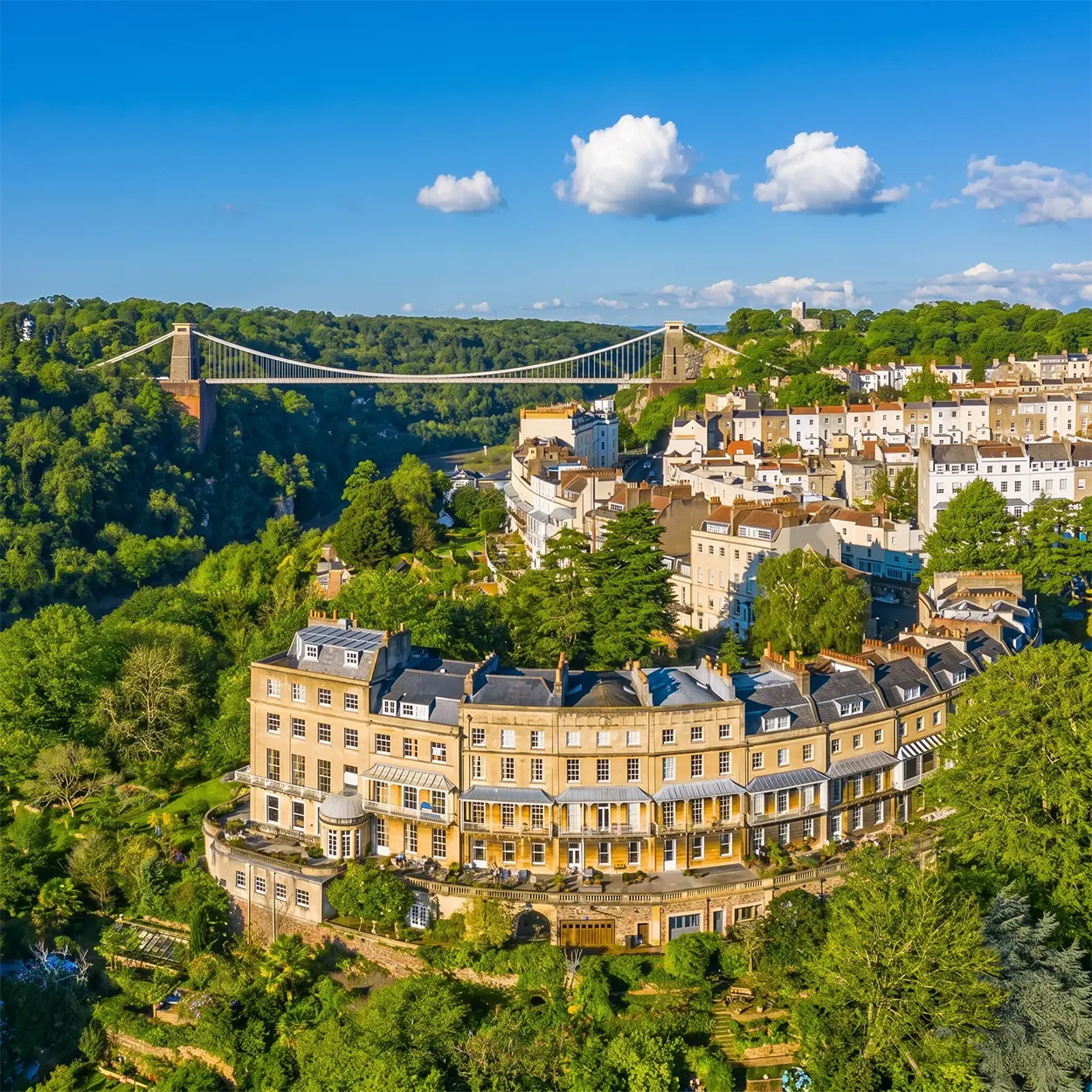
Bristol is about two hours from London Paddington by train. It is definitely one of England’s genuinely beautiful cities. Spend a weekend there, and you start to understand why people who visit often end up wanting to move there.
The Harbourside area is a natural starting point. The old docks have been reimagined as a cultural and social quarter without losing their industrial character; you can stand beside a Victorian warehouse turned gallery and look out at Brunel’s SS Great Britain, sitting in the same water it launched from in 1843. The ship is open to visitors, and the experience of going aboard is surprisingly moving.
Norwich
Norwich does not get the attention it deserves, and that is genuinely puzzling once you have spent a day there. It has one of the most complete medieval city centres in England.
Elm Hill is the obvious place to begin. This short cobbled lane, lined with timber-framed buildings from the 15th and 16th centuries, is one of those streets that makes you stop and look up.
Norwich Castle is a Norman structure that dominates the city from its hill, and it now houses a museum that offers a deep exploration of the city’s history. The Norwich Market, which has been trading in some form since the Norman conquest, is one of the most lively and genuinely useful outdoor markets in England.
York
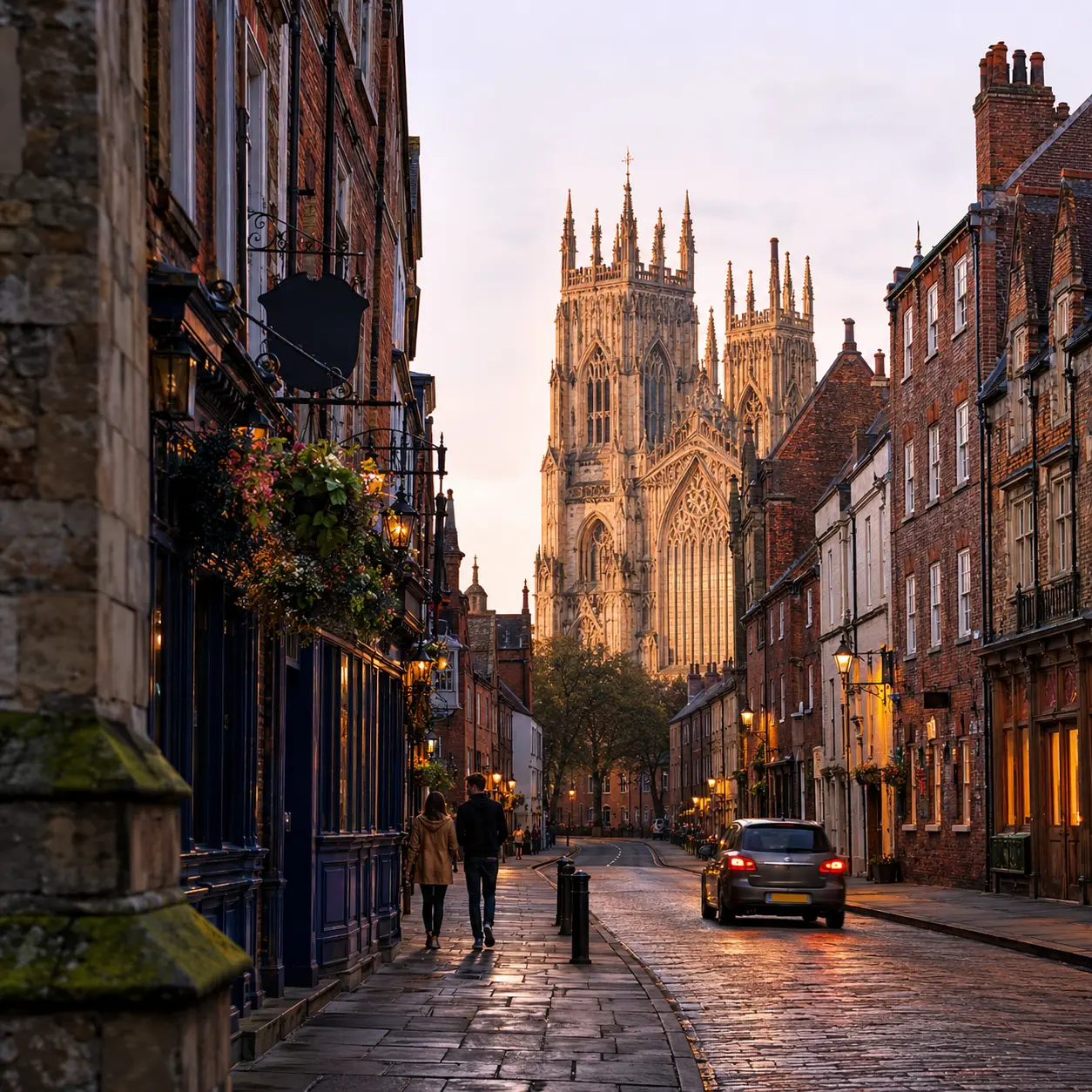
York might be the most immediately impressive city in England for a first-time visitor. Walking through York on a Saturday morning, with the Minster ahead of you and the Shambles off to one side, you get an unusually strong sense of how much history the country actually contains.
The National Railway Museum, which is free, is one of the best museums in Britain regardless of whether you have any particular interest in trains. The collection spans the history of British rail from the earliest steam engines to modern high-speed trains.