The first hint that something extraordinary waits at the top of Kingly Court arrives long before a guest reaches the door. Notes of cumin and cardamom drift through the stairwell, meeting the buzz of Carnaby Street with a promise of nourishment that extends well beyond food. Darjeeling Express, created by Asma Khan, is more than a celebrated restaurant. It is a statement on belonging, a woman‑led enterprise, and what happens when private recipes migrate from family tables to one of London's liveliest neighbourhoods. Diners come searching for authentic Indian food, London trend‑hunters praise; they leave having witnessed an act of cultural restitution. In an era of polished concepts and venture‑backed roll‑outs, Khan's house of flavours stands apart, powered by memory, activism, and a sisterhood forged in communal kitchens rather than culinary school brigades.
The Story Behind the Stoves
Khan's biography reads like a determined detour from expectation. Born in Calcutta into a Rajput and Bengali heritage, she carried the invisible weight of being a "second daughter" in a community that still prioritised sons. That early silence around her sparked a lifelong rebuttal of patriarchy. When marriage brought her to Cambridge in nineteen ninety‑one she knew barely a handful of recipes. Yet, homesickness pressed her to recreate the dishes that tethered her to India. Lessons began with an aunt in England and deepened during pilgrimages to her mother's kitchen, where she recorded every aroma and gesture that defined their lineage.
Academic success seemed to chart a different future. Khan completed a doctorate in British Constitutional Law at King's College London, mastering advocacy in lecture halls rather than courtrooms. But by twenty twelve her supper clubs had overtaken footnotes, drawing fellow migrants who missed the taste of childhood as fiercely as she did. Those informal gatherings introduced the women who would become the restaurant's engine: nannies, child‑minders, and home cooks ready to trade invisibility for recognition. The transition from doctoral robes to chef whites was not a leap but an evolution, anchored in the conviction that food could fight the same systemic inequities she once analysed in legal texts.
From Supper Club to Soho Icon
What began in a Kensington dining room soon ventured into public view. A pub pop‑up at The Sun & Thirteen Cantons proved that home‑style dishes could command attention in a city drowning in curry clichés. Two years later, a modest thirty‑five seats in the original Kingly Court site sparked queues that snaked past neighbouring boutiques. Fame multiplied when Netflix's Chef's Table filmed Khan and her crew, showing global viewers that female‑led kitchen teams need no hierarchy of shouting men to cook with brilliance.
Yet growth was never linear. A move to a one‑hundred‑plus‑cover space in Covent Garden answered demand but dulled intimacy. The bigger room lacked an open kitchen, muting the show of solidarity that defines the brand. Khan listened, learned, and returned to Soho in twenty twenty‑three, this time to a ninety‑seat canvas with a commanding view of the stoves. The comeback felt less like expansion than restoration, a conscious reaffirmation that visibility matters as much as flavour. By bringing the cooks back into diners' eyeline, she reconnected the story to its emotional core.
A Culinary Embassy of Home
Darjeeling Express frames itself as a "culinary embassy" — not of India as a single entity but of the mosaic that shapes Khan's identity. Menus sweep from Mughlai opulence to the street snacks of Calcutta and the aromatic precision of Hyderabad. There is no concession to Anglicised staples; naan bread, she notes, belongs to restaurant tandoors rather than domestic kitchens. Instead, the roster champions recipes once confined to family celebrations: slow‑braised Kosha Mangsho, fenugreek‑scented Methi Chicken, and Calcutta‑style biryani layered with saffron rice and potatoes.
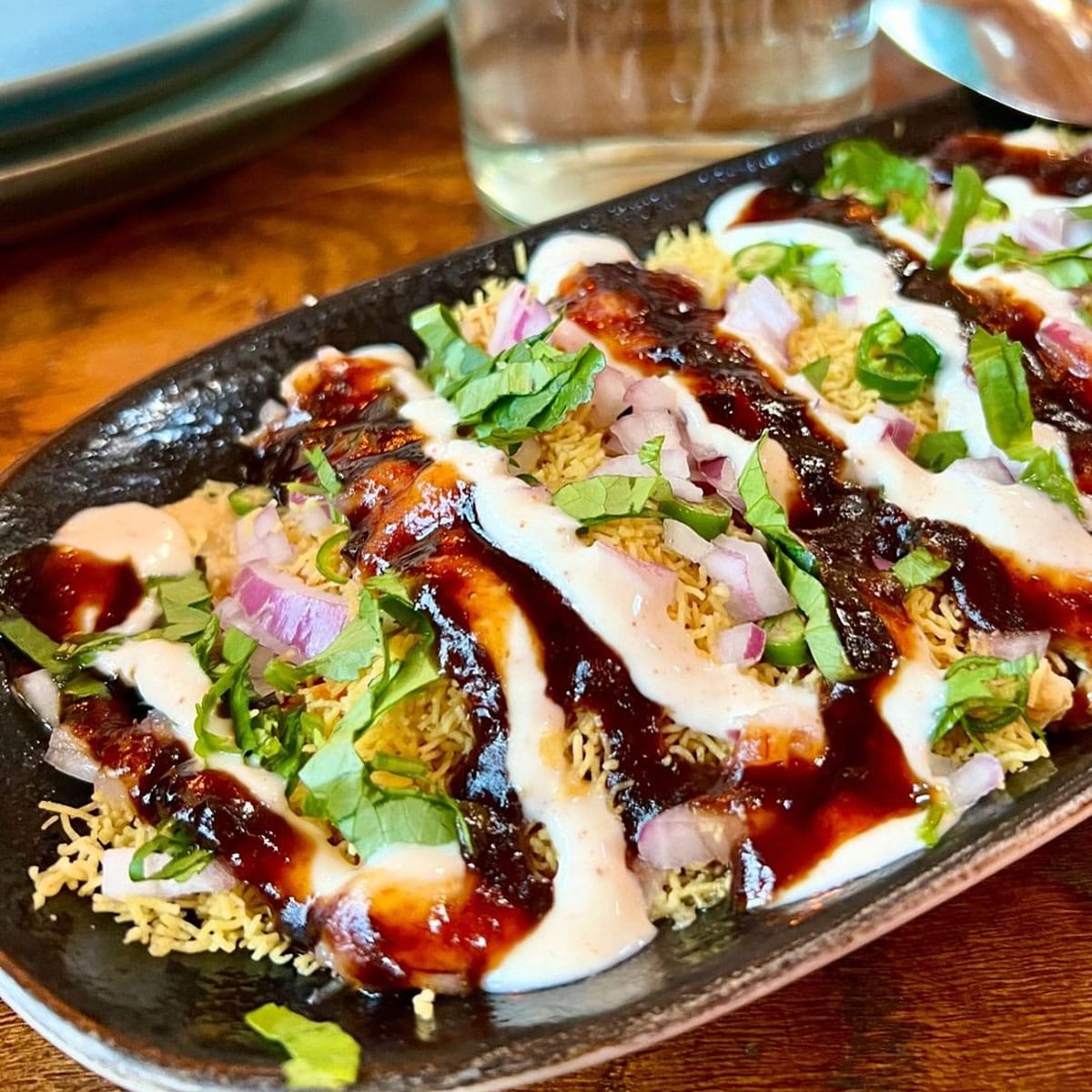
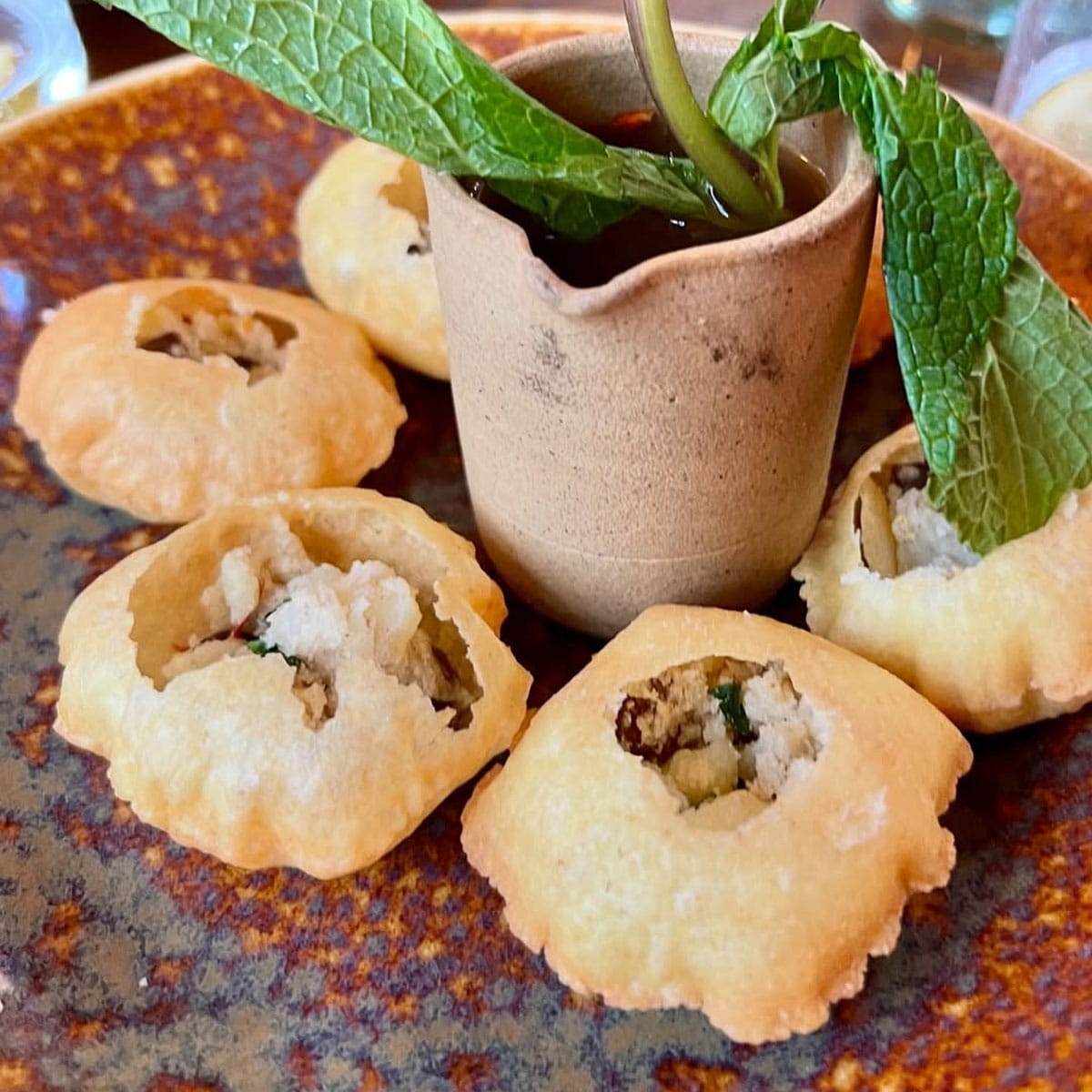
Fun Fact: The puchka a crisp sphere of semolina filled with spiced potato must be eaten in a single bite, or its tamarind water will escape. In Kolkata, street vendors famously recite customer counts by ear as the popping echoes along the pavement.
Beyond taste, every plate functions as a gentle protest. By elevating domestic craft to restaurant prestige, Khan insists that the labour of mothers and grandmothers holds intellectual and economic value. Her language rarely mentions "fusion" or "reinvention". Instead, she speaks of repair — stitching together the broken perception that home food is unskilled, unpaid, and unworthy of professional respect.
The All-Women Brigade
Step into the open kitchen and the distinction is immediate: no brigade hierarchy, no chef‑de‑partie barking orders. Woks hiss, spice tins clatter, and conversations flow in Bengali, Urdu, Tamil, and English. Pay is equal, titles are redundant, and experience is measured in the calm assurance that dinner will taste exactly like Saturday lunch cooked for relatives. This structure is not marketing garnish but the philosophical spine of the business.
Many team members held no formal employment before joining. Darjeeling Express supplied not only wages but also visas, confidence, and community. The effect is visible in retention figures other restaurateurs envy; several "Original Spice Girls" have worked beside Khan for more than ten years. Guests sense the difference. Service carries a contagious pride, as though each plate placed on the table extends a personal invitation to share heritage rather than a mere transaction of money for food.
Financial architecture underscores the same purpose. A portion of profit fuels the Second Daughters Fund, celebrating girls whose births pass without the fireworks granted to male siblings. Money earned in Soho circles back to India, underwriting education and first birthdays while broadcasting the message that gender should never dictate worth.
Menu that Maps a Nation
If location supplies energy, the dishes deliver testimony. Starters echo bustling sidewalks: Puchkas arrive with chilled tamarind broth, poised to explode on the tongue; Tangra Chilli Prawns salute Calcutta's historic Chinatown, marrying soy, garlic, and searing heat. The goat in Kosha Mangsho slides from bone after hours of patient simmering, while Methi Chicken perfumes the room with fresh fenugreek leaves.
Vegetarian guests encounter abundance rather than compromise. Beetroot Chop, coated in a fragile crumb, bleeds crimson spice beside creamy yoghurt; Badami Baingan bathes aubergine in peanut and coconut gravy. For group festivities, the Royal Thali sets arrive like edible portraits, with compartments holding curries, pickles, rice, and breads in a balanced conversation. Everything encourages sharing, echoing the 'daawat' feasts that once filled Khan's family courtyard.
Booking is competitive, a reflection of global press and a Netflix fan‑base ready to schedule London holidays around dinner. Yet the restaurant resists exclusivity. Prices remain within reach of everyday diners, and the house rule bans service charge on events held for charity. Transparency stays literal: nothing blocks the sightline from table to tawa, reminding guests that every swirl of ghee carries a woman's fingerprint.
Community, Culture, and a New Kind of Hospitality
Critics often frame Darjeeling Express as an overnight sensation. A clearer reading shows a slow‑burn movement gathering force long before the spotlight found it. When Netflix beamed Khan's story to seventy‑plus countries, reservations skyrocketed, but the groundwork was already laid through supper‑club intimacy, word‑of‑mouth advocacy, and London's ever‑curious food media. What the cameras amplified was not novelty but proof that a women empowerment restaurant could outshine traditional models on its own terms.
Prestige followed. Inclusion in the Michelin Guide validated flavour; the Johannes van Dam Prize crowned lifelong contribution; TIME's 100 list amplified the political heartbeat behind the menu. These honours matter, yet they sit secondary to an everyday accolade: diners who linger at the pass to thank the cooks by name. By collapsing the front- and back-of-house divisions, Khan re-centres recognition where it has historically been absent. The message to the hospitality world is explicit: sustainable success need not rely on sharp‑edged hierarchies or masked culinary authorship.
Inside the Dining Room: Informal Elegance in Action
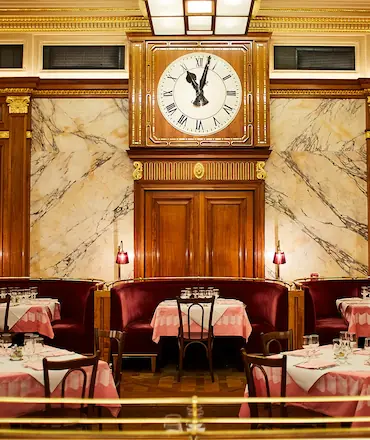
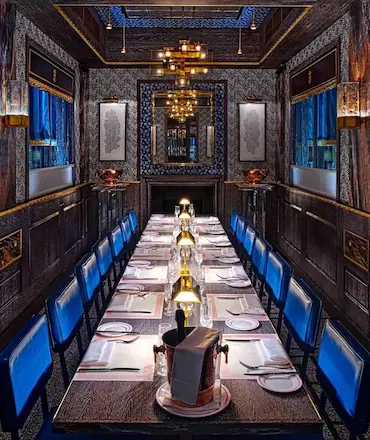
Step across the oak threshold and the room feels alive before a single dish arrives. Walls glow in chickpea yellows and muted cinnamon, mimicking India's afternoon light. Wicker‑backed chairs scrape gently as groups settle into the communal rhythm. The bar's scalloped facade nods to Mughal architecture without slipping into Disneyfied exoticism, and flower‑shaped sconces cast soft arcs across framed family photographs.
Service moves with a calm that belies the kitchen's heat. Hosts greet by first name, water glasses refill almost imperceptibly, and plates appear when conversation reaches a natural pause. Guests closest to the pass watch cumin seeds burst in shimmering ghee; across the room, a family celebrates a birthday, biryani pot unveiled with theatrical flourish. Everything feels orchestrated for comfort rather than ceremony, closing the distance between restaurant ritual and the generosity of a private dining room.
Booking, Budgets, and Best‑Seat Strategy
The popularity of this Indian restaurant Soho landmark, makes planning essential. Prime Friday or Saturday slots can vanish weeks ahead. Online reservations open at midnight, London time, sixty days out; determined food lovers set reminders. Lunch is easier to secure and costs less than the evening feasting menus, yet still grants access to signature starters and that famed biryani if pre‑ordered. A credit‑card guarantee tempers no‑shows, with a per‑head fee for last‑minute cancellations.
Pricing sits mid‑tier for central London. Expect starter plates from twelve pounds, mains in the low twenties, and the Royal Thali at sixty‑five. With careful ordering, two can eat heartily for under seventy without wine; equally, celebratory dinners with paired bottles climb toward the high hundreds. The drinks list highlights natural, vegan, and female-produced wines, reinforcing the house narrative while accommodating diverse dietary preferences.
Those chasing the full spectacle should reserve counter seating. Here, ladles clink against copper pots inches away, and cooks happily discuss spice ratios between service calls. For an even deeper immersion, monitor the restaurant newsletter for the ticketed Biryani Supper Clubs, which sell out faster than major concert releases.
Social Enterprise in Motion
Darjeeling Express functions as a two‑way bridge between London's diners and girls thousands of miles away. Khan's Second Daughters Fund hosts baby showers in rural India, provides blankets and cash to families welcoming a second daughter, and funds their education. Transparency is radical: the restaurant publishes regular impact updates, turning each plate of Bengali goat curry into a small act of international solidarity.
This financial feedback loop bolsters staff pride. "Every time you cook, you change someone's life," Khan reminds the team during pre‑service briefings. The result is palpable: turnover remains exceptionally low, sick days are scarce, and training happens laterally as senior home cooks mentor newcomers. Other operators have begun shadowing the model, hoping to replicate its retention magic in an industry where staff shortages are a significant concern.
Collaboration and Cultural Programming
Khan's platform extends far beyond food. The top‑floor space converts into a stage for cookbook launches, poetry readings, and panel talks on migrant entrepreneurship. Guest chefs, from Syrian refugee Imad Al Arnab to Jamaican pastry star Patrice Gordon, take over brunches, weaving their narratives into the restaurant's ongoing chronicle of diaspora resilience.
During Ramadan, menus switch to Iftar platters and all profits go to charity. Last year, the restaurant raised £ 10,000 for earthquake relief in Turkey and Syria through one week of pop-ups. Such initiatives solidify the dining room as gathering point, not just a gastronomy venue. Regulars speak of "coming home" rather than "going out", testament to the emotional equity built between service and community.
Practical Tips for First‑Time Guests
Arrive early
Kingly Court is car‑free and animated. A pre‑dinner stroll offers boutique browsing, while the bar at Darjeeling Express pours spiced gin tonics ideal for easing into the feast.
Order puchkas first
The ritual of filling each shell with tamarind water sparks immediate table conversation. It cleanses the palate for richer dishes ahead.
Share everything
Portions suit communal eating; splitting mains unlocks menu range without over‑ordering. The kitchen will happily pace service if asked.
Leave room for dessert
Mishti Doi, a set yoghurt sweetened with jaggery, offers a cooling finale that highlights Bengal's love of dairy puddings.
Chat with the team
Chefs enjoy explaining regional nuances; questions about technique often yield off‑menu stories and, occasionally, recipe tips.
Beyond Awards: Measuring Influence
Darjeeling Express subverts conventional metrics of success. It lacks a Michelin star yet attracts queues reminiscent of starred rooms. It sits above a fashion thoroughfare yet ranks among the most watched restaurant stories online. Impact, here, is gauged by gender parity statistics, the number of second-daughter birthdays funded, and the letters of young British-Asian women who credit Khan for inspiring career leaps.
Industry observers note a quiet shift: other restaurateurs are now publicly touting transparent pay scales and anti-harassment policies, citing Khan's blueprint. Food‑media editors push for wider representation of home cooks in recipe columns. Cookery schools invite Darjeeling Express veterans to teach masterclasses on regional Indian cuisine, bypassing the traditional route of professional chefs-turned-tutors. Influence radiates outward, intangible yet unmistakable.
Conclusion: A Train That Keeps Gaining Speed
Asma Khan named her restaurant after the Darjeeling Mail, the overnight train that once ferried her between childhood cities. Today, the analogy endures. Like that locomotive, the Soho kitchen gathers momentum through each station it passes — supper club, pop‑up, Netflix chapter, homecoming. Passengers embark carrying hunger; they disembark carrying stories, mindful that every bite funded education, recognition, or a small victory over sexism.
In London's crowded dining market, plenty of venues promise spice and spectacle. Few match the way Darjeeling Express entwines flavour with purpose, heritage with activism, and hospitality with tangible social change.