Walk along Old Compton Street on a busy evening, and it is clear that Soho has traded its reputation for louche nightlife for something more complex. The neon is still there, as are the bars, theatres and late-night cafes, but the street has become one of London's densest corridors of eating and drinking. Dozo Soho, a Japanese restaurant in Soho at number 32, has been part of that shift for more than a decade. Positioned between gay bars, theatre queues and tourists in search of a late dinner, it operates in one of the most competitive restaurant postcodes in the capital, where units are small, rents are high, and expectations are unforgiving.
Dozo is not a hushed omakase counter with three sittings a night and waiting lists that stretch for weeks. Nor is it a fluorescent grab-and-go chain turning out plastic clamshells of maki for under a tenner. It pitches itself instead as contemporary Japanese dining at a price point that feels aspirational but reachable for many London diners, with bills that commonly land in the £50 to £70 per head bracket once drinks and service are added. That space, often labelled premium casual, suits Soho's mixed audience of workers, date-night couples, pre-theatre parties, and tourists who have searched for Old Compton Street restaurants and want atmosphere as much as dinner.
The question for a hospitality audience in 2025 is whether Dozo still earns its spot. This report draws together evidence from company filings, official hygiene records, independent reviews, and on-the-ground observation to understand how the business functions, what diners can expect, and how it sits in the current Soho restaurant landscape.
From South Kensington prototype to Soho flagship
Dozo did not begin its life in Soho. The group opened first in South Kensington in 2011, at 68 Old Brompton Road, a neighbourhood of embassy apartments, long-term residents and high-income professionals. The original brief was to create a modern Japanese restaurant that felt polished yet comfortable, rather than stark. In a district where dinner is often a weekly ritual rather than an occasional treat, that emphasis on warmth and repeat visits made commercial sense.
The Kensington branch set out many of the ideas that still define Dozo Japanese restaurant as a brand. Sushi and sashimi formed the prestige core, supported by hot dishes and a sake-friendly drinks list, while the interior leaned into a gently mood-lit, textural aesthetic rather than the bright white minimalism of early chain sushi. The pitch was premium, but not intimidating: an accessible alternative to west London's most expensive Japanese rooms, with enough comfort food and rice bowls to keep regulars happy on a Tuesday night.
The Soho opening in 2013 took that template and rewired it for a far more volatile environment. Old Compton Street demands visibility. The frontage is compact, and the competition is fierce, so the Soho branch needed a stronger visual hook and a broader menu to capture passing trade. That is where Dozo's now familiar combination of theatrical maki rolls, bento boxes, ramen and traditional sashimi platters comes from: a menu written as much for mixed groups and impulse diners as for sushi purists.
Ownership structure and the business behind the brand
Behind the dining room sits a structure that will be familiar to anyone who tracks London hospitality. The main vehicle is London Dozo Ltd, incorporated in January 2013 and still active, with its registered office now aligned with the original South Kensington address. Companies House records show London Dozo as a small private company with total exemption full accounts, modest turnover and a balance sheet comfortably under the £500,000 threshold.
Control rests with Malaysian-born director Kok Wai Chew, listed as the sole officer and person with significant control, owning at least 75% of shares and voting rights. His portfolio extends beyond Dozo through other entities, indicating a broader interest in hospitality and property rather than a single-site passion project. That matters because it shapes decision-making: this is a business run with an eye on risk distribution, lease management, and long-term asset value, rather than a chef-driven vanity project.
Sitting alongside the parent company is Dozo Soho Limited, incorporated in 2019 with its registered office at 32 Old Compton Street. The company is currently marked as active with an ongoing proposal to strike off and files as dormant, with net assets of £1 and no trading activity reported. In practice, this suggests that the Soho restaurant is operated through London Dozo Ltd, while the site-specific company has been kept in reserve for lease or branding purposes. The dual structure is not unusual in central London and gives the owner flexibility to absorb liabilities or restructure if trading conditions change again.
The kitchen leadership and consulting chef question
The public-facing story of Dozo's food leans heavily on a named figure, Chef Hiro Nakamura, whose profile appears on brand materials and is credited with the omakase concept and broader menu direction. The language around him emphasises narrative cooking, seasonal selection, and a style of presentation more often seen in luxury resort properties than in fast-turnover Soho rooms.
Searches for his name, however, reveal references to a chef of the same name associated with Feeling Koi, a high-end Japanese restaurant in the Maldives, and with consulting work across international projects. That pattern suggests Dozo is likely using the standard consulting chef model: an established chef designs menus, sets standards and trains teams, while day-to-day service is handled by an in-house brigade of head chefs and sushi specialists, some of whom may have joined the business using skilled worker sponsorship.
For the guest, the distinction matters less than execution. What is clear from repeated reviews is that the kitchen delivers consistent headline dishes across years of visits, particularly for sushi rolls and eel dishes, even as individual plates occasionally fluctuate. The consulting model also fits the company's broader profile: operational control sits with the owner, while culinary authority is borrowed as needed to shape the offer and lend international gloss.
Inside 32 Old Compton Street: design and atmosphere
Step inside Dozo Soho and the first impression is of a compact, dark-toned room where most tables appear to float at ankle height. The restaurant runs across the basement and ground floor, a configuration familiar to anyone who has worked in Soho, where frontage is tight, and every additional cover must be carved out of the lower ground.
On the ground floor, conventional seating and a sushi counter face Old Compton Street through the window. The real talking point, though, lies below, where the basement is fitted with zashiki-style booths. Guests sit on cushions at what seems like floor level while their legs drop into a concealed pit, an adaptation of traditional tatami dining that allows Western diners to avoid full kneeling or cross-legged postures. The walls are dominated by a dramatic mural featuring wave-like forms and geisha-inspired imagery, which serves as an instant backdrop for photos and social posts.
The design achieves its goal of turning a narrow, low-ceilinged basement into a talking point, but it comes with trade-offs. Getting in and out of the booths requires a degree of agility; several reviewers mention feeling vaguely acrobatic as they climb in, and the layout is not friendly for diners with limited mobility, bad knees or formal workwear. The sunken pits and surrounding carpets also attract comment. Over time, those textiles show wear, and in an era of heightened sensitivity to cleanliness, even the sight of a tired carpet next to a table can undermine perceptions of hygiene, regardless of the underlying reality.
Noise levels are typical for Soho dining at peak times. In a full sitting, the room is lively and convivial rather than hushed, which suits parties, dates and small groups far better than it does those looking for a reflective conversation. Service is described across public reviews as energetic but at times harried, with staff working a difficult floor plan while also managing tight booking windows and high demand for the most photogenic seats.
Fun fact: Old Compton Street has spent decades as both a jazz hotspot and a focal point of London's LGBTQ+ life, so diners at Dozo are eating on a street that has long mixed nightlife, activism and hospitality in close quarters.
Menu strategy from omakase to ramen and donburi
If the room is designed for theatre, the menu is built for reach. Dozo runs a substantial list that covers sushi, sashimi, Volcano Maki style rolls, tempura, grilled dishes, donburi bowls, ramen and a handful of omakase and mixed platters. The logic is clear: in a walk-in heavy location, every seat lost because a passerby wants noodles, not raw fish, is revenue the business cannot afford.
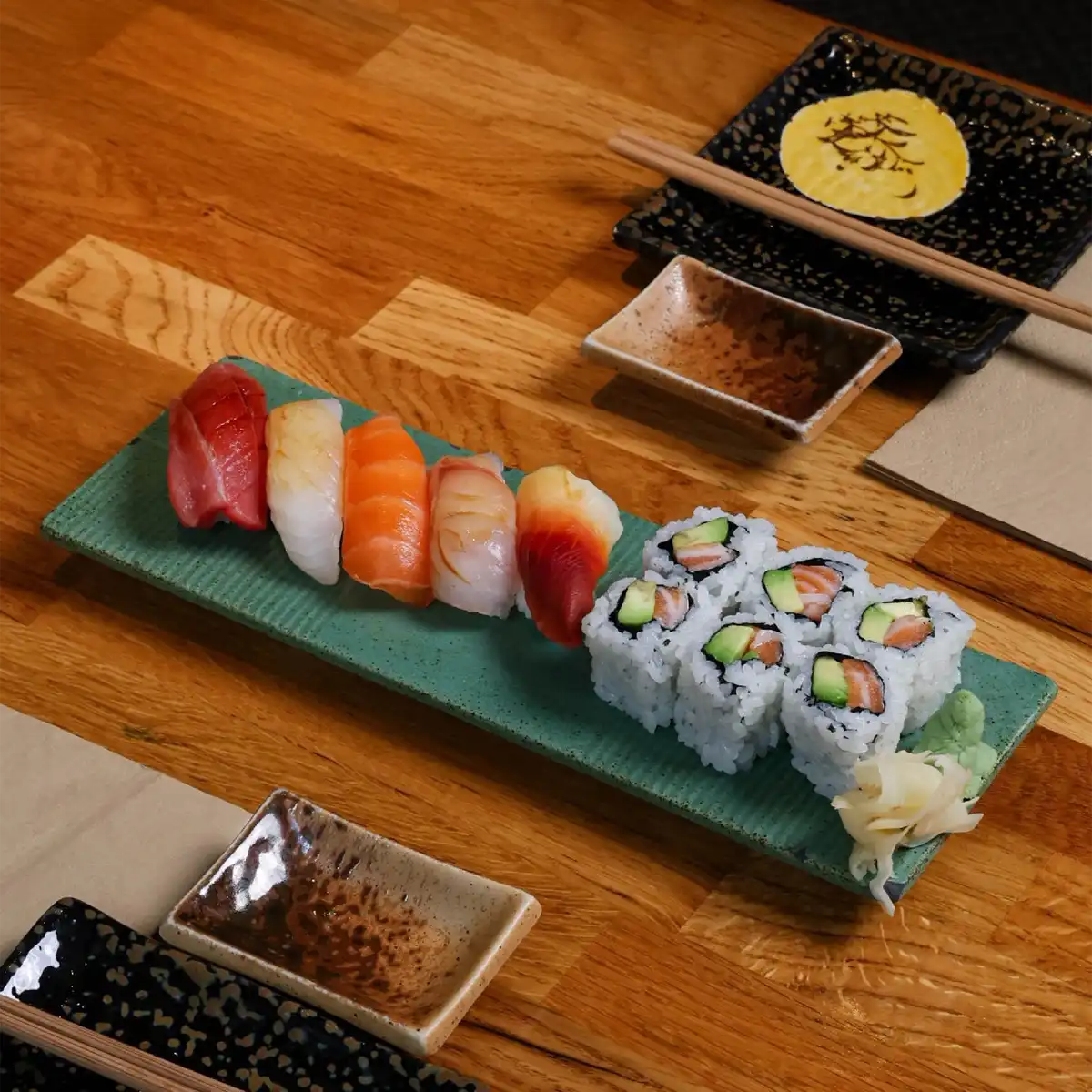
At the prestige end sit the sashimi plates and omakase options. The restaurant has long highlighted the use of bluefin tuna for its maguro, with fattier cuts and hamachi indicating access to higher-grade suppliers than budget chains. Rolls are where the visual drama is concentrated. The Volcano Maki, priced at just under £20 on recent menus, piles eel, avocado, leeks, bonito flakes and sauces into a layered construction designed to look as potent as it tastes. It is the dish that most frequently appears in social reviews, and functions as a de facto calling card for the brand.
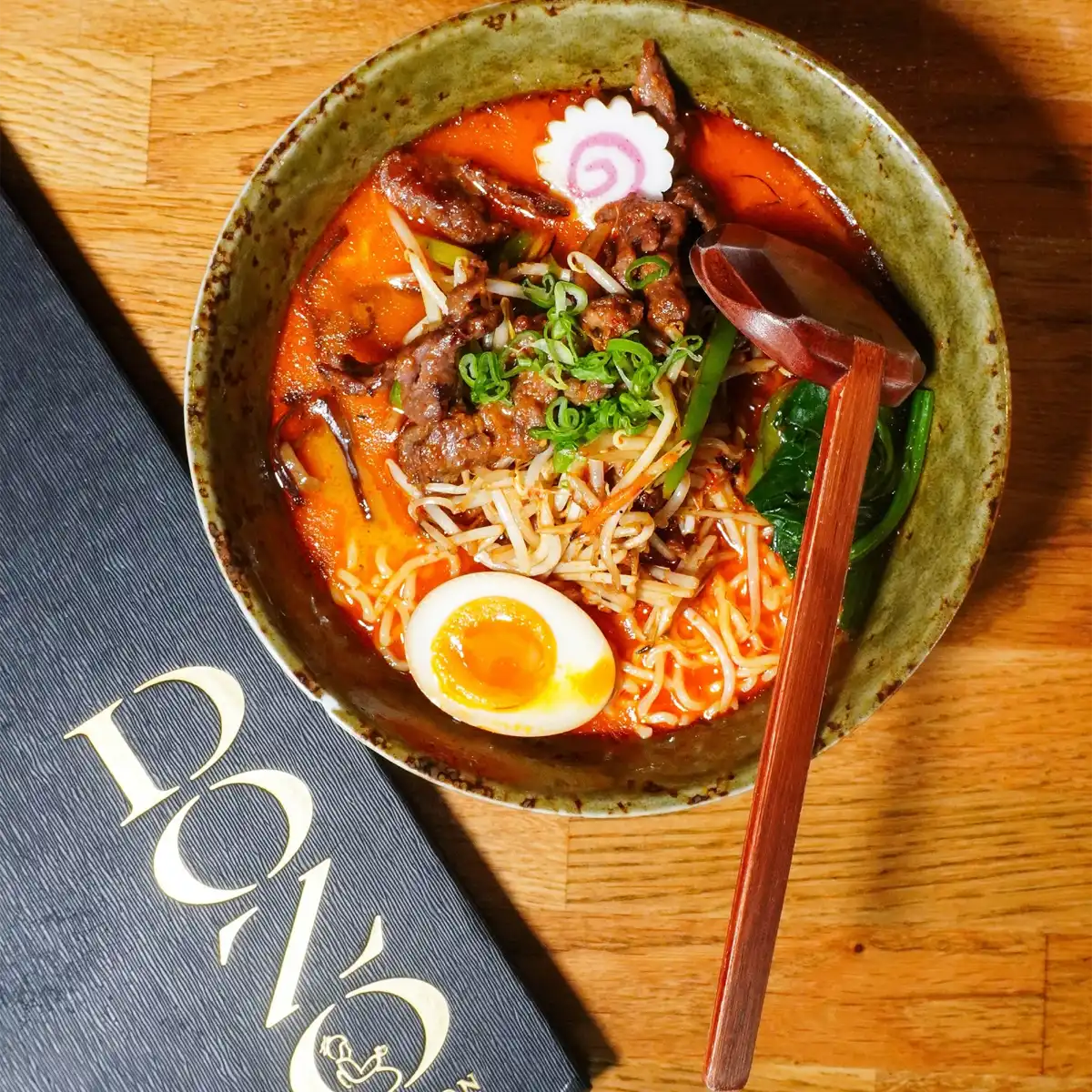
The hot kitchen plays a different role. Ramen bowls such as tonkotsu and black garlic versions nod toward the ramen Soho competition from neighbours like Bone Daddies and Shoryu, while giving mixed groups something warming and filling to order. Donburi dishes, particularly Unagi Don, are described repeatedly as generous and indulgent, with grilled eel over rice forming an anchor for those who want a proper meal rather than a series of small plates.
Lunch and dinner are structured to push different behaviours. Weekday lunch sets, trailed on Dozo's own social channels from £11.90, combine items such as donburi, small sushi selections and sides at a sharp price for central Soho, designed to attract office workers and day trippers. By evening, the deals recede, and the full menu takes over, lifting the average spend per head while giving diners scope to build more elaborate orders.
A simplified view of the menu economics looks something like this:
| Menu area | Example dish | Typical role in visit |
| Signature rolls | Volcano Maki | Typical role in a visit |
| Sashimi platters | Mixed sashimi boats | Prestige, sharing for special occasions |
| Donburi | Unagi Don | Comfort anchor, regular diners, solo meals |
| Ramen | Tonkotsu variants | Competitive defence against specialist ramen venues |
| Lunch sets | Bento and rice bowls | Visual hook, social sharing, high-margin centrepiece |
| Omakase | Chef’s selection | Entry point to fine dining style experience |
For hospitality professionals, the interesting point is not that Dozo offers everything, but that it does so while retaining a distinct identity. The focus on showpiece rolls and eel dishes gives the brand recognisable signatures, even within a broad, commercially driven carte.
Pricing value and Dozo's place in the Soho market
Measured purely on price, Dozo Soho sits in the middle to upper band of Soho Japanese restaurants. Lunch sets starting around £12 position it above fast casual chains but below full tasting menus or omakase counters. By dinner, a table ordering sashimi, a couple of signature rolls, shared sides and drinks will easily settle in the £50 to £70 per person range once service is included, which matches independent critic estimates and recent diner reports.
Within the local competitive set, that lands Dozo in a useful place. Guests who simply want a quick bowl of noodles can choose cheaper options nearby, while those seeking luxury omakase or Mayfair-level ceremony will book elsewhere and pay two or three times as much. Dozo aims at the large, underserved middle: people who want an experience that feels like a night out, who value fresh sushi in Soho and who are prepared to pay a central London premium, but who still expect to leave feeling that their money has been translated into substance on the plate.
Value perception, however, is not shaped solely by prices. Reviews frequently note that portion sizes for items such as Unagi Don and certain rolls feel generous, while some guests question whether the total bill for a relatively light order of sushi and a drink feels high. Service pacing and seat time policies also colour the impression of value. In a cramped restaurant with strong demand, staff must juggle reservations, walk-ins, and timed sittings, and accounts suggest guests feel hurried, particularly around the popular tatami booths.
For business diners and hospitality professionals using Dozo for informal meetings or team nights, that is an important point. The restaurant delivers food that many consider good to excellent, in a setting with clear character, but it is not a place to linger for three hours over coffee on a Saturday night when a queue is building at the door.
Beverage programme sake wine and margin
The drinks list at Dozo Soho is quietly strategic. Sake is divided into hot, cold, and sparkling styles, allowing staff to steer guests toward pairings that match their order and budget. Hot sake, typically sold in carafes, tends to carry the highest percentage margin, while chilled junmai and daiginjo styles meet the expectations of sashimi-focused diners who want something more precise. Sparkling sake gives the Prosecco crowd a familiar format with a Japanese twist and works well for celebrations.
On the wine side, the list leans into recognisable names and varieties rather than niche finds. Prosecco around the low £30s a bottle and by the glass acts as an entry point. In comparison, a competitively priced house Champagne in the mid £40s undercuts many Soho competitors and tempts tables to trade up. Sauvignon Blanc, Merlot and similar varietals provide safe choices for mixed groups where not everyone wants sake. This is a list assembled to support spending rather than to win awards, but it does its job: lubricating the evening, maintaining margins and broadening appeal to guests who might otherwise hesitate over an all sake offer.
Soft drinks, Japanese beers and green tea round out the options, and are notable for how often they are mentioned in positive terms in reviews. A well-made pot of green tea, refilled with good grace, costs the restaurant pennies and leaves a long memory.
Service delivery and guest experience on and offline
Reputation for Dozo Soho is now shaped as much by delivery platforms and social media as by formal reviews. On third-party apps, the restaurant performs well, with strong scores for food quality and packaging. Guests frequently praise the freshness of the fish and the care taken over presentation, even when orders have travelled across the West End. That segment of the business appears tightly organised, and for many Londoners, their first encounter with Dozo is now a bento box or rolls delivered to the home rather than a basement table.
On-site, the picture is more nuanced. Long-term reviewers note that the quality of core dishes such as Dragon Maki, Spider Maki and Unagi Don has remained high across multiple visits and years, but they also flag uneven service at busy times, slow billing and occasional confusion around bookings and seating requests. Recent write-ups on blogs and independent sites praise the food and atmosphere while describing the layout as cramped and highlighting strict time slots for larger groups. In the social media ecosystem, Dozo has embraced the visual language of Instagrammable restaurants in Soho. The dramatic rolls, sashimi boats and sunken booths all photograph well, and user-generated content provides a steady stream of free marketing. The official @dozolondon channels reinforce that story with regular posts about weekday lunch deals, seasonal specials and the tatami seating.
Who Dozo Soho suits and how to make them work for you
Taken together, the evidence suggests that Dozo Soho is a resilient, commercially savvy operation that understands its niche. It is not chasing Michelin stars or purist sushi obsessives. Instead, it serves a broad spectrum of diners who want lively surroundings, recognisable favourites and a dash of theatre in the middle of town.
For hospitality professionals deciding whether to recommend or book, and for diners choosing where to spend their money, a few patterns emerge. Dozo works best for:
- Date nights and small groups who are happy with a busy room, short seating windows and a spend in the mid range for Soho sushi restaurants.
- Mixed parties where some guests want ramen or hot donburi and others want elaborate rolls and sashimi.
- Corporate or industry lunches looking for something more distinctive than a chain but less formal than a dedicated omakase counter, especially midweek when lunch sets offer more substantial value.
- Visitors seeking an Old Compton Street restaurant that feels distinctly Japanese in look and flavour, while still speaking fluent London.
It is a less obvious choice for elderly guests or anyone with mobility issues, who may find the basement booths awkward, and for noise-sensitive diners who prefer more hushed surroundings. Those who are particularly cautious about hygiene ratings may also hesitate until the score improves.
The most reliable strategy is to lean into what Dozo clearly does well. Book for earlier rather than last sittings if you want a calmer room. Ask for guidance on signature dishes, particularly the house rolls and eel bowls, which enjoy the strongest consensus in independent reviews. Use the lunch deals if you are testing the waters before committing to a bigger evening spend.
For all its operational compromises, Dozo has earned its place through longevity and adaptability. In a part of Soho where concepts open and close with dizzying speed, it has survived fusion trends, pandemic shutdowns, labour shortages and the rise of delivery. In that sense, Dozo is not just another Japanese restaurant in London; it is a case study in how a mid-market, experience-driven venue can endure on one of the city's most contested streets. As long as the tatami booths keep filling, the Volcano Maki continues to erupt across social feeds. The kitchen maintains its grip on the dishes regulars love; there is every chance that the sign above 32 Old Compton Street will keep glowing well into the next phase of Soho's dining story.