Choosing the right loft conversion can transform unused attic space into a functional and valuable part of your home. Among the most popular options are dormer and mansard roof loft conversions. But which is the better choice for your needs? In this detailed comparison, we explore the key features, benefits, and considerations of each, helping you make the most informed decision possible.
What is a Dormer Loft Conversion?
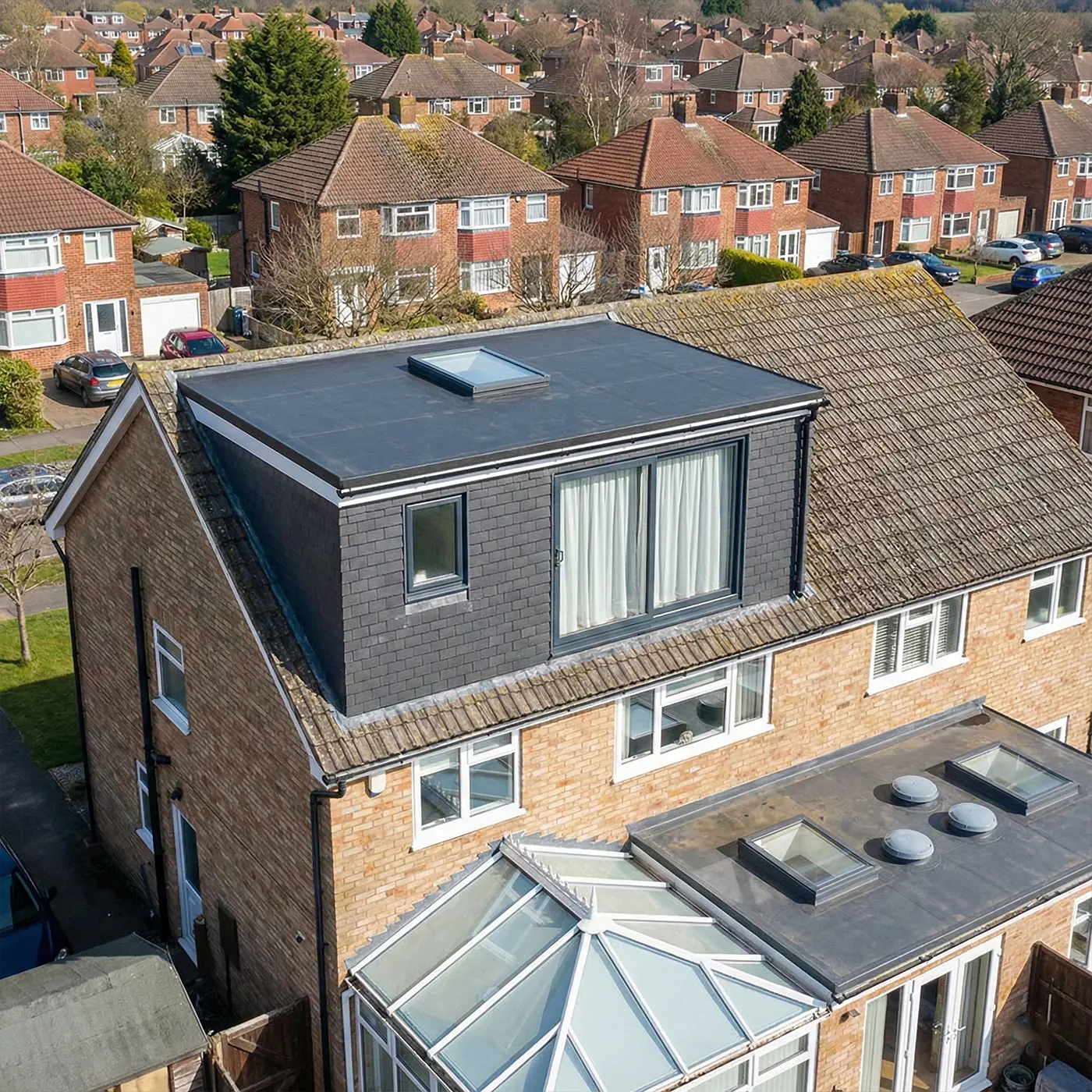
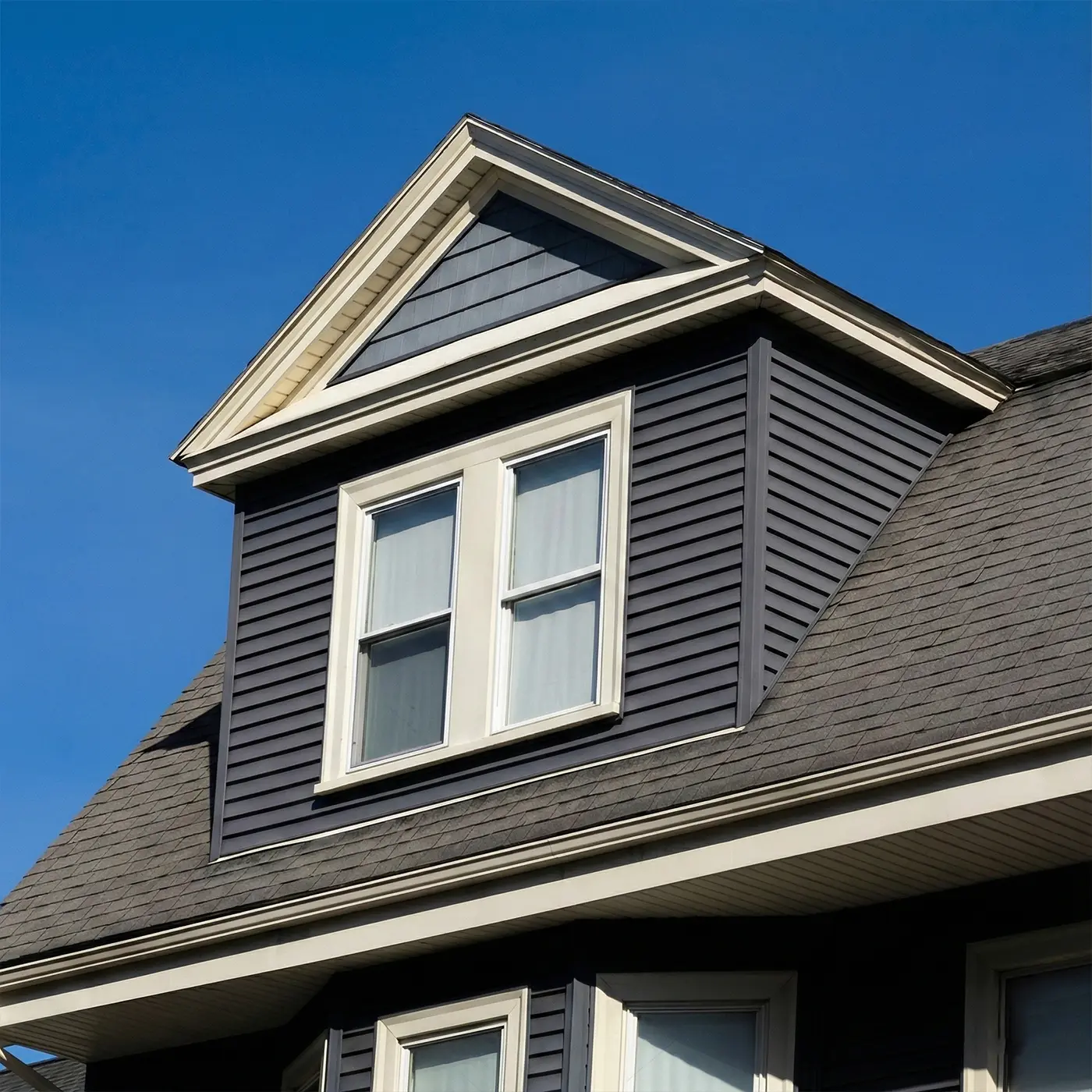
A dormer loft conversion is a structural extension that projects vertically from an existing sloping roof, creating additional floor space and headroom. It comes in various styles, including flat-roof, gable-fronted, hipped-roof, and L-shaped dormers, offering flexibility to suit different property types.
Flat-roof dormers are especially common in urban areas like London due to their simplicity and cost-effectiveness. The primary advantage of a dormer loft conversion is the balance it strikes between enhanced space and affordability. Most dormer conversions qualify for permitted development rights, eliminating the need for full planning permission in many cases.
Benefits of Dormer Conversions
- Increased natural light and ventilation through new windows.
- Cost-effective compared to other conversion types.
- Often feasible without needing planning permission.
- Compatible with various house styles.
What is a Mansard Roof Loft Conversion?
A mansard conversion involves altering the roof’s entire slope at the rear or side of the property to create a near-vertical wall, typically at a 72° angle. Constructing a mansard roof involves significant structural changes, making it one of the most substantial loft conversion types.
This design is ideal for maximising internal space, allowing for the addition of multiple rooms or even self-contained studio apartments. However, a mansard roof loft conversion almost always requires planning permission due to its extensive alteration to the building's exterior.
Benefits of Mansard Conversions
- Maximises usable floor area and ceiling height.
- Blends seamlessly with traditional architecture, especially in terraced houses.
- Offers scope for complex layouts, such as multiple bedrooms or a studio apartment.
- Significantly enhances property value.
Dormer vs Mansard: Key Differences to Consider
Cost Comparison
Dormer conversions are generally more affordable, with prices starting from £30,000 depending on the size and complexity. In contrast, mansard conversions are more expensive, often beginning at around £50,000 and increasing based on additional requirements. The higher cost is justified by its potential for significantly increasing internal space and property value.
Planning Permission
Most dormer loft conversions fall under permitted development rights, simplifying the process. On the other hand, mansard conversions almost always require planning permission due to their structural impact on the property's exterior. This additional step may extend project timelines.
Appearance and Compatibility
Mansard conversions better suit traditional or period properties due to their classic design. Dormer conversions, however, are more versatile and can complement a wide range of architectural styles, particularly semi-detached or terraced houses.
Timeframes for Completion
Dormer conversions are typically quicker to complete, often taking 6-8 weeks. In comparison, a mansard conversion may require 10-12 weeks, depending on the complexity of the project. The longer timeframe for mansard conversions reflects the greater structural work involved.
Return on Investment
Both options significantly enhance a property’s resale value. A well-executed dormer conversion can add up to 20% to the home's value, while mansard conversions, given their larger scope, can increase value by up to 25%. The choice depends on your budget, long-term plans, and how much additional space you need.
Frequently Asked Questions
What is the best loft conversion for a terraced house?
For a terraced house, both dormer and mansard conversions can be suitable. Mansard conversions blend well with period architecture, while dormers are versatile and often cost less, making them viable for modern and traditional designs alike.
Do I need planning permission for a dormer loft conversion?
Most dormer loft conversions fall under permitted development rights, so planning permission is usually not required unless located in a conservation area or exceeding specific size limitations.
How disruptive are loft conversions during construction?
Loft conversions can be relatively non-intrusive, especially during the initial stages as most work occurs externally. However, some periods, such as stair installation, may involve internal disruptions.
Which conversion adds more value to my home?
Mansard conversions typically add more value due to their larger usable space. However, dormer conversions can still significantly boost resale value and are often more cost-effective.
Conclusion
Both dormer and mansard roof loft conversions offer unique benefits, from cost-effectiveness and versatility to maximised space and architectural harmony. Your choice depends on your specific needs, budget, and property characteristics. Explore the potential of a dormer loft conversion or a mansard roof loft conversion to unlock the hidden value of your home.