London mornings in Soho rarely feel calm. Delivery vans reverse along Berwick Street, pigeons dart between coffee-cup lids and the thrum of bass leaks from half-shuttered basement clubs. Threaded through that everyday noise is the rhythm of streetwear London: queue chatter outside Supreme, couriers zipping fresh boxes to Palace, camera crews hunting the next TikTok flash drop. Yet on nearby Silver Place, there is a quieter pulse. Step through the glazed doorway at number 6 and the clatter subsides. Laughter floats from the counter, the scent of fresh vinyl lingers, and racks of graphic jerseys seem to breathe in the bright white light. This is Patta London and, like the best records, it plays at the right speed rather than the loudest volume. The shop's roots stretch back to the hip-hop clubs of Amsterdam, but its branches now shade a growing family of Londoners. Here, profit follows community, not the other way round, and the city's sneaker devotees have found a clubhouse where hustle comes wrapped in warmth.
Fun Fact: The word "Patta" is Surinamese slang for "shoe", a nod to the founders' South American heritage and the brand's early obsession with rare trainers.
From Amsterdam with Love
Amsterdam in the early 2000s felt smaller than today's endless canal-side Instagram grid. Night after night, Edson Sabajo spun vinyl, Guillaume "Gee" Schmidt hosted open-mic battles and Fat Beats record shop pulsed at the centre of it all. The duo's frustration was simple: Europe's shelves rarely stocked the sneakers they heard hyped on American mixtapes. Rather than moan, they booked flights, stuffed duffel bags in Queens and ferried rare Nike boxes back across the Atlantic. Friends lined up for pairs, then friends of friends, until queues curved round Oudezijds Achterburgwal. A business was born, but its engine was loyalty, not margins.
Founders Vision
Sabajo and Schmidt anchored the label in their own story. Black-owned streetwear was almost unheard-of in Europe at the time, so the pair chose a Surinamese name, championed Caribbean colour and foregrounded the activism that shaped their families. Gee's father, a tireless campaigner against Dutch colonial injustice, left a blueprint: celebrate difference, serve the community and never apologise for heritage. That mindset spilt into product design, campaign casting and shop-floor conversation. Authenticity was not a marketing bullet; it was the price of entry.
Five Pillars of Patta
Before fashion blogs coined the phrase "cult brand", Patta had already sketched its own blueprint:
- Clothing line - graphic tees, football jerseys and tracksuits built for daily wear.
- Stores - bright, plywood-lined clubhouses in Amsterdam, Milan, Lagos and now Soho streetwear shop territory.
- Patta Soundsystem - DJ sets, vinyl drops and live shows that keep the founders' musical lifeblood pumping.
- Patta Running Team - Sunday-morning kilometres that prove wellness can sit comfortably beside grail hunting.
- Patta Foundation - youth workshops and summer schools guided by the mantra "each one, teach one".
Together they form a lattice that protects the brand from hype's fickle gusts. If the shoe release calendar sags, a free DJ workshop or community 5K still pushes the story forward.
Landing in Soho
Why cross the Channel at all? Because London already felt like home. Sabajo and Schmidt swapped mixtapes with Benji B, chatted terraces with Grace Ladoja and dissected sneaker leather quality with the late historian Gary Warnett. When the time came to plant a flag, Soho streetwear was the obvious battlefield. Supreme and Palace ruled the headlines, yet an opening remained for a label that talked less and listened more. On 17 September 2016, Patta unlocked the shutters at 6 Silver Place. The first customers were not tourists; they were DJs, skaters, stylists and record-shop regulars who had known the founders for a decade.
Inside 6 Silver Place
Designer Lili de Goede resisted Soho's temptation toward neon and granite. Instead, she laid plywood across the floor, left scaffold poles unpainted and flooded the room with light. The effect is part studio, part basketball court. Customers slide bags under benches, leaf through the latest Patta Soho lookbook and swap playlists with staff who remember everyone's trainer size. Reviews mention smiles as often as stock levels, proof that the "One Fam" motto lives beyond Instagram captions.
Product DNA and Soho Exclusives
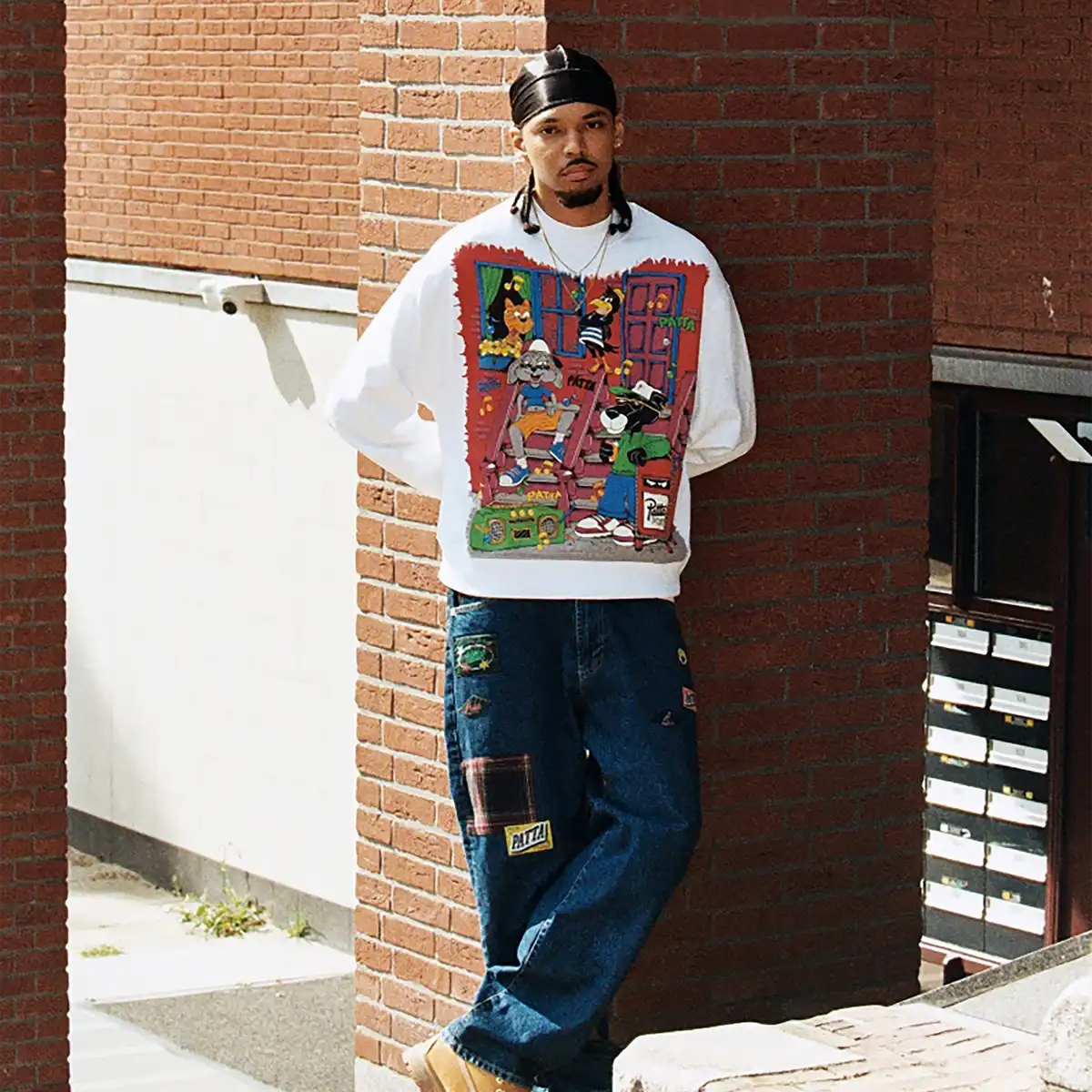
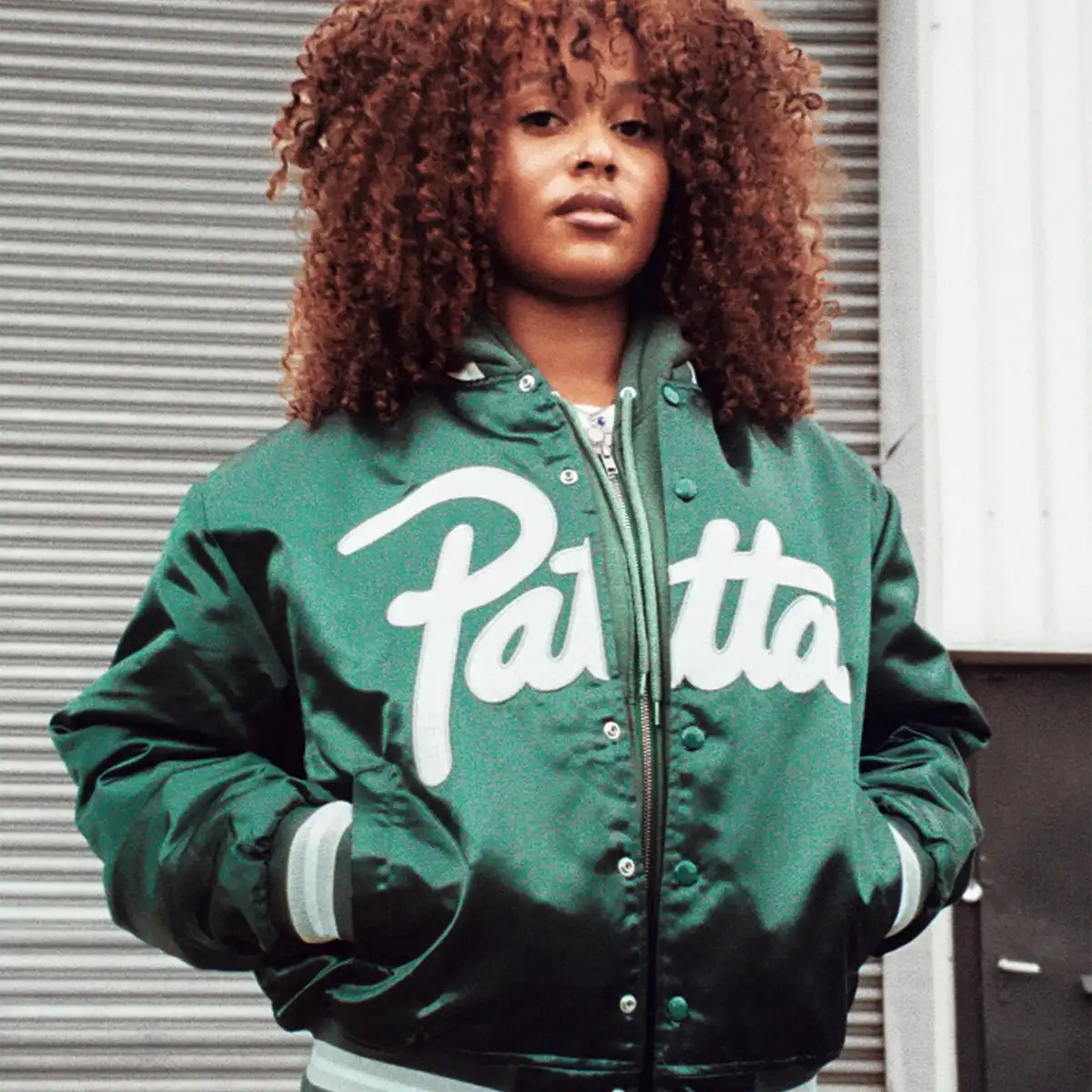
Patta's design language is rooted in utility. Fabrics feel solid, graphics carry purpose and sizing stays relaxed enough for a night bus ride home. The Patta London team receives every global drop, yet keeps several gems for local supporters. The Patta x Alpha Industries MA-1 London Jacket appears once or twice a year and disappears within hours. The London Chapter T-Shirt, printed in black or white with a Silver Place co-ordinate stamp, has become a quiet badge of belonging among Soho regulars. By limiting numbers and refusing online restocks, Patta encourages people to step through the door, chat at the counter and build relationships that linger long after stock rooms are emptied. Scarcity here feels personal rather than engineered, a subtle difference that loyal shoppers recognise.
Beyond garments, merchandising choices reinforce a global outlook filtered through London life. Vinyl sits beside football scarves, Surinamese cookbooks, and neighbour running socks. The eclectic mix positions Patta as a curator of culture, not simply a maker of clothes, turning every shelf into an invitation to explore.
Collaborations That Shape Culture
Streetwear partnerships often chase headlines, yet Patta approaches each alliance as a narrative opportunity. The Nike Air Max 1 "The Wave" series is a case in point. Four colourways launched in 2021 alongside short films shot in London, Lagos and Amsterdam that profiled local creatives rather than celebrities. Each shoe became a storytelling artefact, binding three cities through shared rhythms of music and migration.
A year later, the brand reimagined Tommy Hilfiger's flag in Pan-African colours. Campaign images, captured in the streets of Lagos, fed directly into in-store workshops at Patta Soho, where young designers debated heritage and identity with Gee Schmidt himself. The conversation felt larger than fashion, stretching into questions of ownership, representation and economic power. Shoppers left with garments, but also with ideas.
Patta's ability to bring heavyweight labels into local conversations plays out repeatedly. The Patta x Converse One Star Pro, fronted by Erykah Badu and celebrated with a Brixton block party, channelled South London soul into a classic skate silhouette. The New Balance 991v2 drop, produced in Cumbria and launched on Silver Place, wove a regional manufacturing story into Patta's international map. In every case, collaboration works as cultural cross-pollination rather than logo stacking.
Music and Art Across London
Patta arrived in the capital with speakers already wired. Under the Patta Soundsystem banner, staff DJ at Dalston basements, curate line-ups for Jazz Café takeovers and press limited vinyl through Apron Records. In 2022, the brand hosted the Better Together release party at Ormside Projects, pairing a clothing capsule with live sets from Steven Julien and Shy One. Tickets were free, the cloakroom doubled as a pop-up record stall, and queue talk centred on Sheffield dubplates as much as shoe sizes.
Visual art receives equal footing. West London illustrator Josh Scurville's "Dance" tee riffed on early jungle flyers and sold exclusively in Soho. Moroccan-British photographer Hassan Hajjaj dressed Patta mannequins in patterned djellabas for a window takeover, then ran a youth portrait workshop in the store's back office. These projects bypass gallery formalities, offering emerging creatives a stage where sneaker collectors and music heads already gather.
Community events need not be highbrow. Two summers running, Patta joined forces with Patty & Bun to host table-football tournaments outside the burger joint's Kingly Street branch. The prize was a puffer jacket and a month of free fries, proof that playfulness can be a gateway to more profound brand attachment.
Patta Versus the Homegrown Giants
London's streetwear scene is famously territorial. Palace leans on skate ladders and quick-fire humour, Supreme rides global hype cycles and Corteiz masters guerrilla spectacle. Patta sidesteps direct conflict by positioning itself as a worldwide local: proudly Amsterdam-born, proudly London-invested. Where Corteiz might trigger a city-wide treasure hunt, Patta funds a Saturday coding class for local teenagers. Where Supreme's queue snakes for profit-driven resale, Patta's queue often ends with free mixtape cassettes shared by DJs spinning inside.
Palace dominates Covent Garden, but rarely steps south of the river. Patta, by contrast, hosts launches in Brixton, warehouse sales in Shoreditch and running sessions along the Regent's Canal. This geographic spread mirrors its inclusive ethos. As Gee Schmidt notes, "We want the community to feel like the shareholders." The statement rings true when Silver Place staff recognise customers by name, three releases after the launch hype dissipates.
Building Trust Through Structure
Many independent labels talk about community; Patta formalised its promise. The Patta Foundation channels a slice of revenue into youth programmes across Europe and Africa. The flagship initiative, Patta Summer School, invites thirty aspiring entrepreneurs to Amsterdam each August for workshops on finance, design and mental health. Several London applicants have graduated and now sell their own products in local markets, closing the mentorship loop.
Meanwhile, the Patta Running Team meets every Sunday outside the Soho shop, rain or shine, for a 5K loop toward the Thames. Finishers share herbal tea rather than energy drinks, reinforcing the idea that physical and social wellbeing can share one lane.
Practical transparency underpins these efforts. Annual foundation reports are available for anyone to read, listing grant recipients and budget breakdowns. In an industry often criticised for opaque supply chains and short-term philanthropy, Patta's openness fosters genuine credibility.
A Cultural Bridge, Not Just a Logo
Walk through Soho on any Friday and you will spot the distinctions. Palace kids clutch Tri-Ferg decks, Supreme fans compare box logos, and Corteiz supporters flash Alcatraz graphics. Patta wearers tend to move in diverse packs: DJs, filmmakers, runners, stylists and teachers swapping phone numbers after a Soundsystem set. The clothing signals membership of a network that values generosity above exclusivity.
This bridge-building mission resonates beyond retail. When Jameson partnered with Nigerian festival HOMECOMING for the ALL Connect Tour, Patta curated the London leg, inviting Julie Adenuga to host panel talks on diaspora creativity. Ticket holders left with knowledge as well as merchandise, illustrating how brand platforms can amplify rather than extract.
Conclusion Home and Horizon
Patta's sixteen square metres on Silver Place prove that cultural gravity is not measured in floorplan. By choosing conversation over conquest, the label has folded itself into London life without diluting its Amsterdam heartbeat. Every exclusive jacket, every basement club night and every free workshop contributes to a widening circle of trust.
The founders describe the company as "our baby growing up", a reminder that evolution is continuous. Plans are already in motion for a larger London space, yet staff insist the welcoming mood will remain unchanged. As long as queues form for ideas as much as items, Patta's future in Soho looks secure.
Londoners often say, Keep it real, and the city will keep you. Patta has followed that wisdom to the letter, turning a modest side street into an international home.
More in the Soho shopping guide
Part of our Soho shopping guide.