A Soho Teahouse That Changed How London Eats Chinese Food
Walk down Broadwick Street on a wet Tuesday night, and you will still see it. The soft blue glow through the glass, the patisserie counter glinting like a jewellery case, and a constant stream of guests descending the stairs to a basement that hums with the particular energy that only Soho restaurants manage to sustain. Two decades after it opened, Yauatcha Soho remains one of the most recognisable names in modern Cantonese dining and a fixture on any serious shortlist of best restaurants in Soho for dim sum, cocktails and late-night people watching.
This is not a nostalgic survivor trading on old hype. The original all-day dim sum teahouse from restaurateur Alan Yau has moved from an auteur project to a global brand, passed through Abu Dhabi ownership and into the vast portfolio of Tao Group Hospitality, weathered a pandemic, and lost a Michelin star it held for 14 years. Yet on most evenings the booking grid is tight, the venison puffs still sell out, and the queue at the patisserie counter has barely slackened.
For diners trying to decide where to spend serious money on dim sum in London, the question is no longer whether Yauatcha is fashionable. It is whether this long-running pioneer still delivers an experience that justifies a typical spend that can climb towards £95 a head with wine, and whether it remains competitive in a city now dense with polished, design-led Asian restaurants. This feature steps back from the folklore to examine how Yauatcha was built, how it operates, what it costs, and who is most likely to leave happy.
From Wagamama To Yauatcha And The Alan Yau Effect
Understanding Yauatcha starts with understanding Alan Yau. Long before the Broadwick Street teahouse, he had already altered British dining habits with Wagamama, stripping away stiff service in favour of shared benches, open kitchens and fast casual efficiency. That project proved that large-scale Asian dining could feel modern rather than novel.
In 2001, he shifted gears with Hakkasan in Hanway Place, a shadowy basement that fused high-end Cantonese cooking with club-like lighting and a thumping soundtrack. It redefined the category for high-end Chinese restaurants in London, presenting Cantonese dishes in an environment more akin to a members' bar than a suburban takeaway.
Yauatcha, which opened in 2004 at 15–17 Broadwick Street, was conceived as Hakkasan's brighter, more diurnal sibling. Where Hakkasan was nocturnal and heavy, this was designed as an all-day dim sum restaurant in Soho. Yau's idea was simple but radical at the time: take the social ritual of yum cha, remove the trolley chaos of Chinatown banquet halls, wrap it in the visual language of luxury retail and French patisserie, and make it available from lunch through to late evening.
Londoners, he judged, wanted delicate har gau and cheung fun in a calm setting where the crockery matched, the tea was curated, and the lighting flattered. They wanted a place that could host a business lunch, a second date and a family birthday without feeling like a compromise. The early success of Yauatcha showed he had read the market correctly. The concept anticipated later trends towards sharing menus, flexible dining in Soho and blurred lines between café, restaurant and bar by several years.
Design That Still Feels Current In The Heart Of Soho
To translate that vision into a room, Yau turned to French designer Christian Liaigre, known for his quiet, expensive minimalism. The resulting space still looks strikingly current in 2025, which is no small feat in a neighbourhood where restaurant interiors age fast.
Street-level functions almost as a shopfront. Floor to ceiling glass, the glowing patisserie cabinet and crisp lines make the ground floor feel close to a luxury dessert bar in Soho as much as a Chinese restaurant. The emphasis here is on light, reflection and movement. People who never make it downstairs still step in for tea and macarons, an important revenue stream in a location where rents bite hard.
The lower ground floor is where the main show happens. Guests descend into a darker, more enveloping space of slate, dark wood and leather, broken by the long aquarium that runs behind the bar. The fish tank has become one of the most recognisable features of Yauatcha Soho, both a kinetic sculpture and a calming counterpoint to the open kitchen and packed tables. Blue accents in the lighting help fix the restaurant in the mind; even a blurred smartphone snap is instantly identifiable.
Seating is dense but carefully planned. Liaigre's furniture uses solid materials and comfortable proportions that keep table turns high without ever feeling cheap. It fits Soho's dual character, part raucous nightlife, part polished media quarter. Yauatcha feels simultaneously hidden and highly visible, a place you descend into but also a glass-fronted beacon on one of central London's busiest cross streets.
Fun fact: Yauatcha Soho received its first Michelin star only a year after opening in 2004
From Abu Dhabi Backing To Tao Group Stewardship
Yau sold a majority stake in both Hakkasan and Yauatcha in early 2008 to Tasameem, part of Abu Dhabi's sovereign wealth ecosystem, in a deal reported at £30.5 million. For the restaurant, that meant moving from founder-led one-off to core asset in a global hospitality portfolio.
Under the Hakkasan Group banner, the brand was rolled out aggressively. Yauatcha India became a significant focus, with branches opening in Mumbai, Bangalore, Delhi and Kolkata between 2011 and 2014. The mix of aspirational middle-class diners, longstanding affection for Chinese dishes and the adaptability of dim sum to vegetarian diets gave the concept a robust foothold.
Not every export worked. Attempts to build a presence in Honolulu and Houston from 2017 showed how hard it is to transplant a concept so rooted in Soho's walkable, late-night culture into car-led American cities. Those restaurants closed within a few years. The pattern that emerged was clear. Yauatcha prospered in dense, cosmopolitan centres that shared something of central London's rhythm, including a second London outpost in Broadgate Circle and a site in Riyadh.
The pandemic years brought more upheaval. In 2021, Tao Group Hospitality acquired Hakkasan Group, bringing Yauatcha into a sprawling network of nightlife, club and restaurant brands anchored in major cities worldwide. For the Soho site, that has meant the support of deep corporate infrastructure, from marketing to recruitment, while retaining enough operational autonomy to keep the restaurant from feeling like a cookie-cutter franchise. The London flagship still sets the tone for how the brand is perceived globally.
Dim Sum Patisserie And Tea At The Core Of The Experience
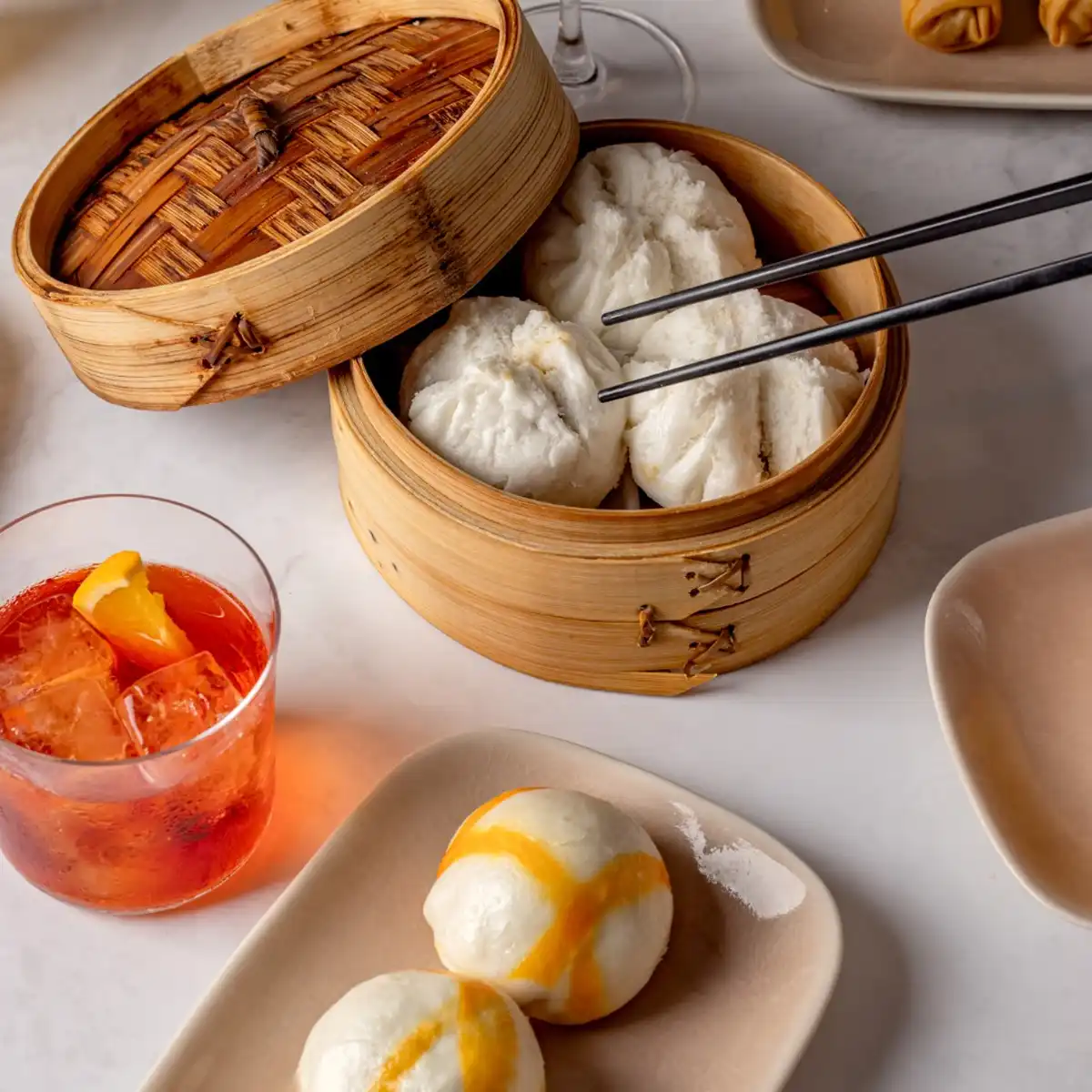
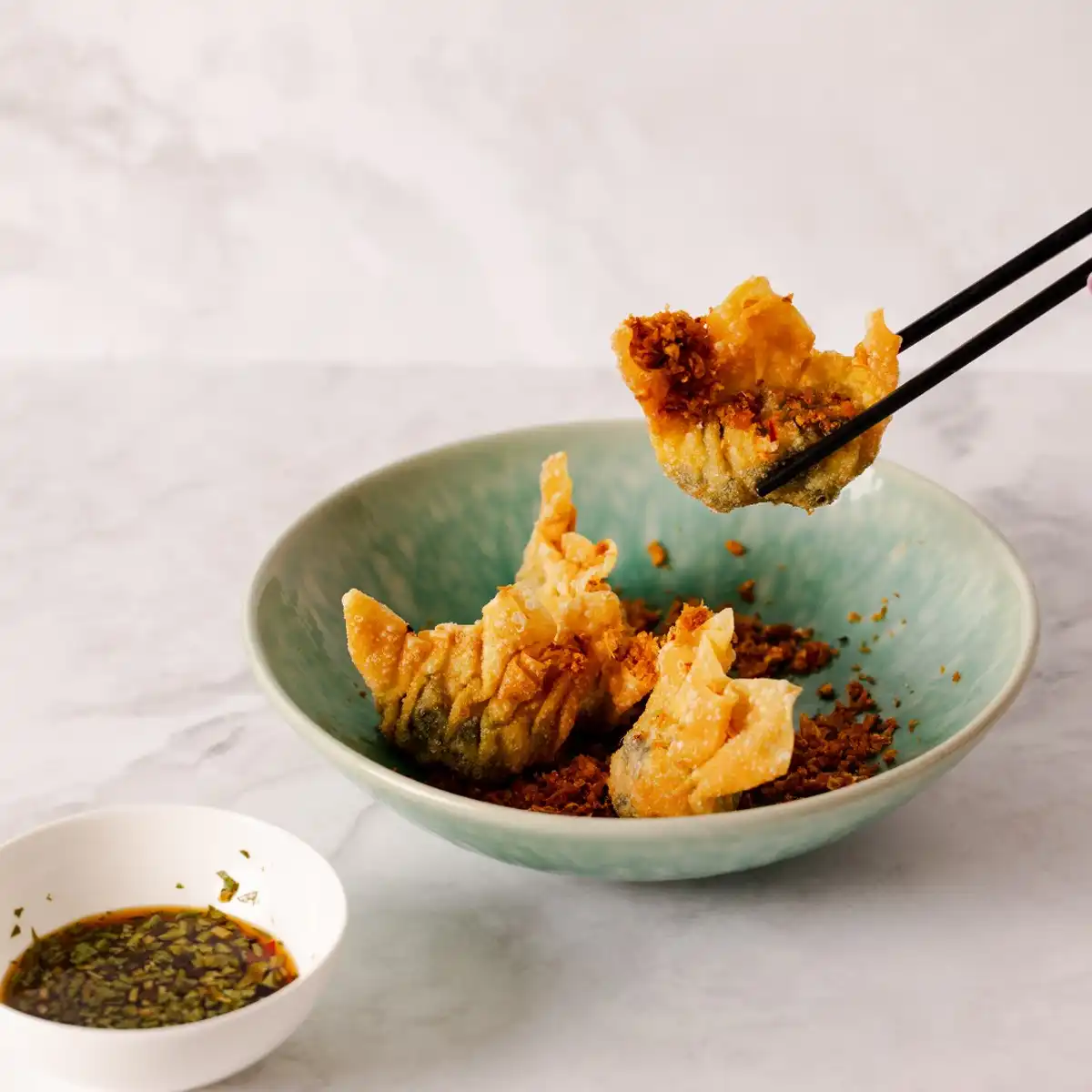
Yauatcha describes itself as a modern dim sum teahouse, and the menu structure follows that logic. Instead of roving trolleys, guests order à la carte from a large list of steamed, baked, grilled and fried pieces. The kitchen sends each dish as soon as it is ready, which keeps textures sharp and wrappers intact.
Traditionalists will recognise the classical foundations. Pleating on har gau is precise, skins are thin yet resilient, and cheung fun arrives glossy and translucent rather than stodgy. At the same time, the ingredient list reveals how far this is from a neighbourhood canteen. Venison, wagyu and truffle appear alongside prawn, pork and mushroom, a reminder that this is positioned firmly in the accessible luxury dining bracket.
A few dishes have become so associated with Yauatcha Soho that they act as shorthand for the restaurant itself. The venison puff, a delicate, multi-layered pastry filled with slow-cooked game and finished with a subtle glaze, is now one of the most copied dim sum dishes in London. It condenses the whole proposition into a single bite: Cantonese technique, British produce, patisserie-level texture.
Scallop shui mai arrive crowned with bright orange tobiko, providing a snap against the sweetness of shellfish and prawn. The rice noodle rolls, particularly versions that pair prawns with crisp beancurd, show the kitchen's control of contrast, slippery sheets against crunch and bounce. Crispy duck rolls do a similar job with familiar flavours, wrapping shredded duck and hoisin in a thin shell that shatters on the bite.
The patisserie, visible upstairs and woven into the main menu, is more than a side show. Originally developed under Graham Hornigold and later refined by pastry chefs including Sarah Frankland, it brings full-scale French technique to a Chinese restaurant context. Macarons scented with jasmine, sesame or rose sit next to glossy mousse-based gâteaux shaped into pebbles, domes or roses, often flavoured with yuzu, ginger or matcha. Diners can finish their meal with these intricate desserts or purchase them to take away, making Yauatcha one of the most distinctive dessert destinations in Soho.
Tea holds the whole experience together. The list runs to more than 24 varieties, from roasted Tie Guan Yin to high mountain oolongs, sourced through specialist contacts in Taiwan and elsewhere. Staff are trained to explain origins and brewing styles, and heavy cast-iron or delicate glass pots are chosen to keep water at the right temperature as the leaves open. For guests who take tea seriously, Yauatcha functions as a specialist teahouse in London as much as a restaurant.
Pricing places the venue firmly in the treat category for most diners. Order freely from the menu, add cocktails and dessert, and a bill around the £95 mark per person, including wine, is common. To keep the room busy and open the experience to a wider audience, the kitchen also runs tightly constructed set menus. A Taste of Yauatcha option, usually timed for quieter mid-afternoon slots on weekdays, sits around £34 per person and gives a structured introduction to key dishes and a dessert. Larger signature menus, typically between £60 and £88 per person, streamline choices for groups and help the kitchen manage flow during peak periods.
Cocktails, Wine, And A Bar Built For Soho Nights
It would be impossible to understand Yauatcha's ongoing pull without looking at the bar. This is one of the most established cocktail bars in Soho, with food that can genuinely stand up to a full dinner. The list favours light, aromatic drinks built around citrus, tea and florals that sit comfortably alongside steamed dumplings and fried snacks.
One long-running signature, often cited by regulars, is Lalu, a vodka-based cocktail sharpened with lychee, lemongrass, lime and oolong tea. It mirrors the food philosophy, layering flavour while keeping the finish clean. Another house favourite, the Lychee Ginger Collins, leans into Britain's affection for gin, adding ginger heat and floral top notes that work particularly well with richer dishes such as venison puffs or sesame prawn toast.
The wine list is constructed to solve a specific challenge. Cantonese food with chilli, soy and vinegar can clash with heavy reds or oaky whites. Here, the emphasis is on Riesling, Gewürztraminer and other aromatic whites, along with lighter reds such as Pinot Noir and Gamay. A relatively wide by-the-glass selection encourages diners to match different wines to different sections of the meal rather than committing to a single bottle from the start. For business lunches and corporate dining in Soho, that flexibility is a selling point.
Life After Michelin And What Critics Say Now
Yauatcha's Michelin history matters because it shaped how the restaurant was perceived for years. Gaining a star in 2005, within a year of opening, validated the idea that a lively, all-day dim sum venue could sit comfortably in the same guide as stiff, linen-heavy fine dining rooms. Holding that star until the 2020 edition, then losing it, forced a recalibration.
The reasons were never spelt out publicly, but industry observers point to familiar issues. Scaling a once singular restaurant into a global brand makes absolute consistency harder. Inspectors will notice if dumpling skins vary or if service dips under pressure. The departure of key chefs, especially long-serving executive chef Tong Chee Hwee in 2019, also changed the dynamics of the kitchen. As more branches opened, some sensed that Michelin viewed the Soho original as part of a chain rather than a one-off.
Crucially, the removal of the star did not trigger an identity crisis. Yauatcha remained in the guide as a recommended restaurant and continued to attract strong reviews from independent critics. Commentators such as Andy Hayler still give it high scores on food alone, praising the consistency and technical control given the volume of covers. Lifestyle sites that focus as much on ambience as cooking regularly list it among Soho date night restaurants and spots for special occasion dinners in London, often highlighting the moody basement, soundtrack and smart crowd.
Customer feedback through late 2024 and 2025 tends to cluster around 4.5 out of 5 on major platforms. Praise focuses on the quality of dim sum, the patisserie and the sense of occasion. The main criticisms are predictable in a busy Soho basement. Noise levels can be high, and strict 90-minute seating slots at peak times leave some guests feeling hurried at a price point where they expect to linger. These tensions are the byproduct of operating a very large, very busy restaurant in one of the most expensive postcodes in the country.
A Restaurant Shaped By Soho And Shaping Soho In Return
Location is not incidental here. Yauatcha's address on Broadwick Street places it at the centre of a part of Soho that has shifted over two decades from a slightly scruffy cut through to a full-blown West End dining hotspot. Media and tech offices, fashion brands and independent retailers now cluster around streets that once felt noticeably rougher.
In 2023, the opening of the Broadwick Soho hotel, directly opposite, added another driver. This independent, high-design property, with interiors by Martin Brudnizki, funnels a steady flow of wealthy tourists, fashion industry regulars and entertainers into the immediate area. Many of them will cross the road straight into Yauatcha Soho for lunch, dinner or a nightcap, folding the restaurant into their understanding of the city.
More broadly, footfall data shows central London's hospitality sector recovering strongly. In late 2025, capital growth was tracking around 7.7% a month, with initiatives such as the trial pedestrianisation of parts of Oxford Street pushing West End visitor numbers up by around 45% at certain points. When shoppers seek somewhere less frenetic to eat and drink away from the main drag, Soho's side streets and their established restaurants benefit.
Operating in this environment is expensive. Prime Zone A rents in Soho are widely reported above £200 per square foot and can exceed £300 for the best pitches. For a large footprint like Yauatcha's, with both prominent frontage and extensive basement, annual rent is likely well into seven figures before business rates and staffing. That economic reality explains why the restaurant manages reservations tightly, layers in set menus to smooth demand and leans on every part of the offer, from drinks to patisserie, to keep spend per head healthy.
The Kitchen Talent Keeping Standards High
In its early years, much of the mythology around Yauatcha centred on star chefs and the founder's vision. In 2025, the model is closer to that of a well-run hotel group. Tao Group's Cantonese operations are overseen by corporate executive chef Andrew Yeo, a Singaporean with a background at properties such as The Ritz-Carlton. His job is to keep dishes recognisably Yauatcha wherever you encounter them, while updating menus with seasonal specials and new ideas that do not alienate regulars.
On-site, the dim sum section has its own leadership, reflecting the specialist nature of the craft. Head dim sum chef Fei Wong is tasked with maintaining the fine balance of thin wrappers, neat pleats and generous fillings that define good dumplings. In traditional Cantonese kitchen hierarchies, this role sits on equal footing with the head wok chef, and it is central to whether diners feel they are getting value from the experience.
The pastry team remains a recruiting priority. Job adverts and industry chatter through late 2025 point to ongoing investment in senior sous chefs to keep the gâteaux as precise as the savoury dishes. Combining French patisserie structure with Asian flavours is a niche skill set, and it remains one of the things that differentiates Yauatcha Soho from other Chinese restaurants in central London.
Is Yauatcha Soho Right For Your Next Meal
So, should you book? For diners researching where to eat in Soho for a special meal built around dim sum, cocktails and people watching, Yauatcha still earns its place on the shortlist. It is not cheap, and it is not the quietest option in town. Still, it delivers a polished, tightly drilled version of modern Cantonese dining that very few competitors match at this scale.
It suits several occasions particularly well. Business lunches that need to impress benefit from the set menus, professional service and central location. Date nights and celebrations play into the moody basement, the bar and the sense of being somewhere recognisable. Shoppers in Carnaby and nearby streets use it as a higher-end lunch stop or mid-afternoon tea and patisserie break. Solo diners will find the counter seats and dim sum format forgiving, although the 90-minute limit remains in place.
Those who want a hushed, lingering evening may find the pace a little brisk and the noise level high. Diners on tighter budgets may prefer to target the Taste of Yauatcha window or share a focused selection of dim sum rather than ordering extensively from across the menu. Strict vegan or gluten-free eaters should check options in advance, as while the kitchen is more flexible than a traditional teahouse, it is still centred on classical Cantonese techniques and ingredients.
For everyone else, Yauatcha now occupies a role closer to that of an anchor tenant in the story of modern London dining. It is no longer the disruptive newcomer. It is the steady, blue-lit presence that has taught several generations how to read a dim sum menu, how to match high-grade tea with dinner, and how Chinese food in London can feel luxurious without becoming stiff. In a city where restaurant concepts flicker in and out of existence with alarming speed, that kind of longevity is its own recommendation.