Soho is not a theme park for a Saturday night; it is London at full voltage, compressed into a handful of blocks where food, theatre, music and work collide. In 2026, the smartest way to enjoy it is to plan for momentum: book dinner on a street that keeps you close to the next move, choose bars that feel like rooms rather than stops, and treat queues as part of the choreography, not an insult to your dignity. The reward is a night that feels properly Soho: loud in the right places, intimate in the right ways, and threaded with encounters you did not schedule.
The headline decisions are simple. For Soho restaurants, start around Kingly Street, Greek Street, Dean Street and Berwick Street, where you can eat well and still be 5 minutes from a late drink or a show. For Soho nightlife, anchor your bar picks around Frith Street and Old Compton Street if you want classic Soho energy, or slip into the courtyards and side streets off Carnaby for a calmer, more designed version of the same buzz. If you want LGBTQ+ Soho, make Old Compton Street your spine and let everything else branch off it. And if you want to stay out, do not leave transport until last call: Soho is forgiving, but London’s last leg home is rarely romantic.
Start With Dinner Where Soho Feels Most Alive
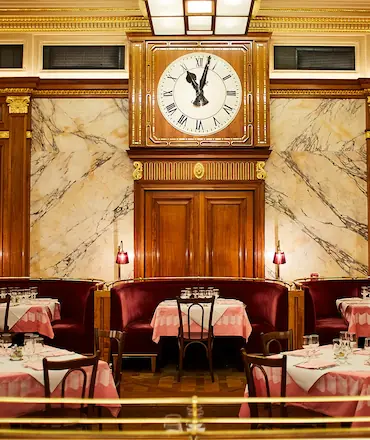
Book a table where you can move on easily; the best dinner in Soho is the one that does not strand you. If you want the night to build naturally, aim for the pocket between Kingly Street, Kingly Court, Greek Street and Frith Street, where you can eat, drift into a bar, and still make a late set or curtain call without crossing major traffic.
Soho rewards early precision. A 6pm reservation buys you breathing space and options, especially when a room is full and the bar starts to feel like a second dining area. When you cannot book, look for restaurants that treat the counter as a feature, not a compromise. That is the difference between eating in the middle of Soho and eating beside it.
If you are tracking openings, the West End’s pull remains strong. Padella has announced a Soho site on Kingly Street, signalling the ongoing appetite for high quality, high turnover pasta that still feels like a night out rather than a pit stop. Soho restaurants do not just compete on food; they compete on where you can go next without breaking the spell.
Drink Like A Regular In Soho Cocktail Bars And Pubs
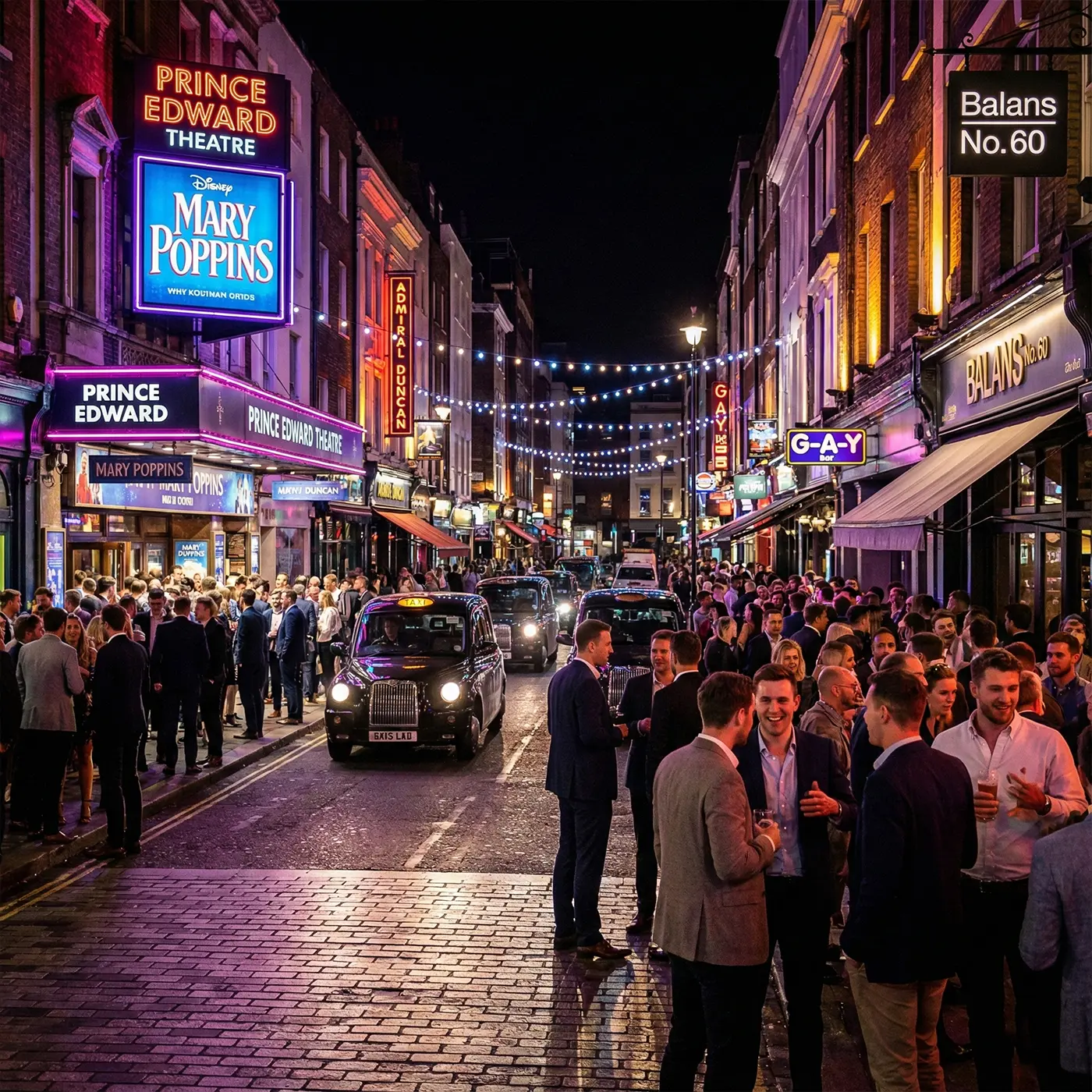
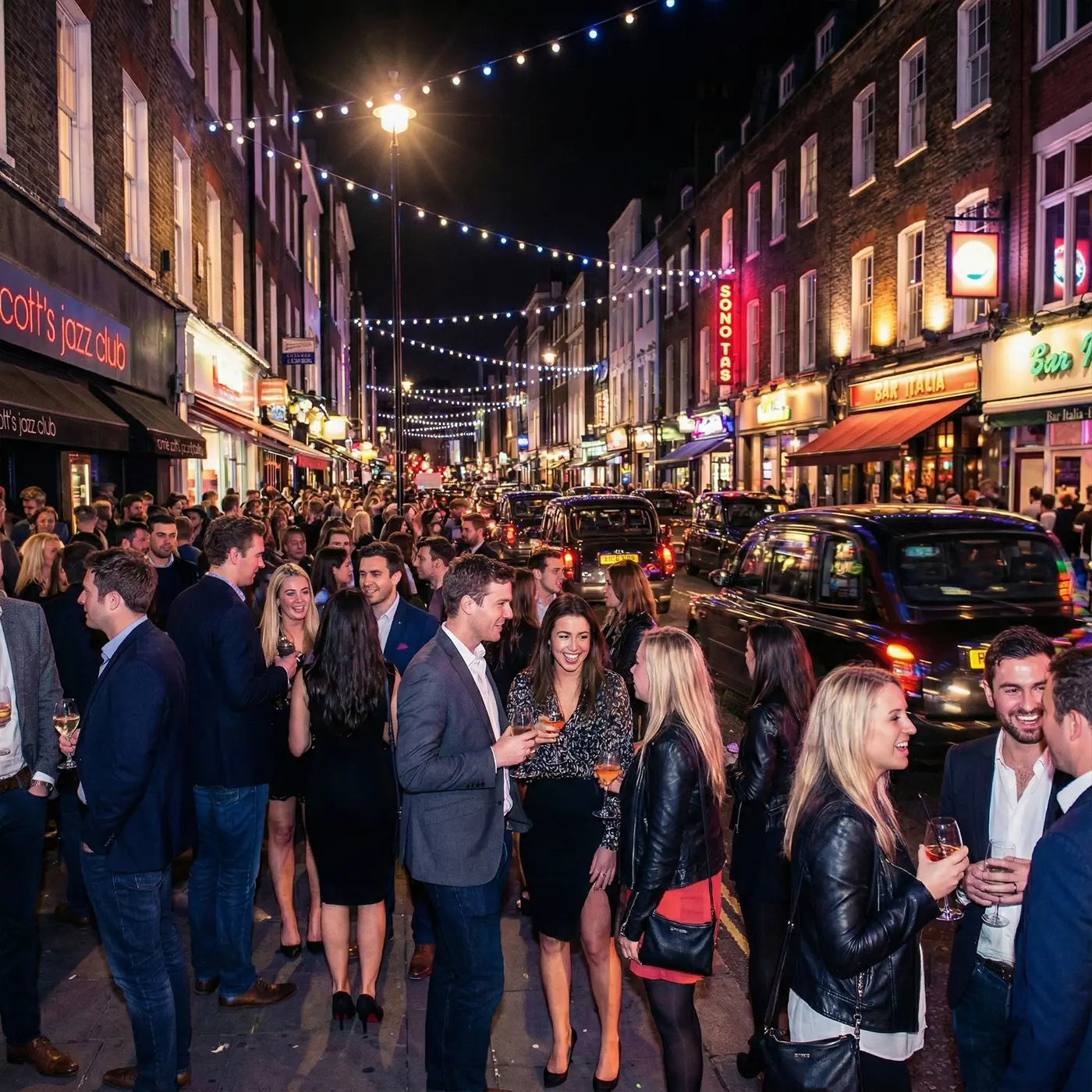
Choose bars that match your desired pace, not your Instagram feed. Soho is built for bar hopping, but the best nights usually hinge on 2 strong rooms: one for the first drink when you are still arriving, and one for later when you want to stay put.
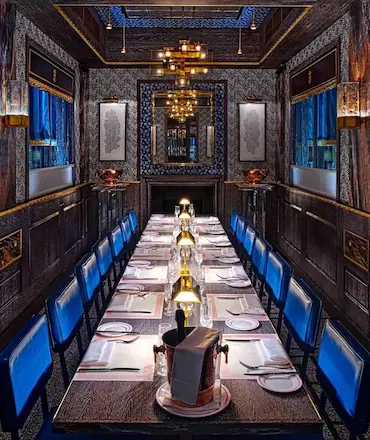
For early evening, pubs and wine bars with a little theatre work well: you can talk, people-watch, and take the temperature of the streets. Later, the dial shifts. The best Soho cocktail bars understand light and sound, and they manage the room so it feels busy without becoming hostile. If you are with hospitality friends or visiting on business, you will notice how often the same principles repeat: good door management, rapid service, and a bar team that reads the room properly.
A useful rule is this. If a bar’s queue is visible from the pavement and barely moving, treat it as a sign to change plans. Soho has too many alternatives to donate an hour to a single decision.
Pick The Streets That Stack The Night In Your Favour
Soho is small, but the streets behave differently, and choosing the right spine changes everything. Base yourself on a street that gives you multiple exits, then let the night branch out.
Kingly Street and the courtyards around it are practical for dining, especially if you want a contained circuit of restaurants and bars without constantly re-entering the loudest parts of Soho. Greek Street remains a strong axis for the creative industries, with serious post-production and studio infrastructure nearby, which is why weekday evenings can feel as charged as weekends. Berwick Street is the useful daytime to nighttime hinge: market energy, independent shops, then restaurants and bars close enough to keep you in the neighbourhood.
Old Compton Street is its own gravitational field. For LGBTQ+ venues in Soho, it remains the street that sets the tone, with the surrounding lanes offering quieter alternatives when you want to step out of the main current.
Fun fact: The name Soho is widely believed to come from an old hunting cry, a reminder that these streets were once open fields long before the neon.
Work The Queues And Bookings Without Losing An Hour
You do not win in Soho by insisting the night should be frictionless; you win by managing the friction. The goal is not to avoid queues entirely, but to avoid the pointless ones.
If you want a hard to book table, aim for midweek, book 2 to 3 weeks ahead where possible, and consider an early slot with a late plan afterwards. If you are dining on a Thursday or Friday, accept that the bar seat is sometimes the premium experience, not the fallback. The trick is choosing places where the bar menu is real and the service is built for it.
For clubs and late bars, the same logic applies. A guest list or pre-booked entry is less about status and more about time. Soho is an area where 20 minutes saved at the door can be the difference between catching a set and watching the crowd swallow it.
Find LGBTQ+ Soho That Still Sets The Tone
Start with Old Compton Street, then roam. The strength of Soho LGBTQ+ nightlife is not only the venues, but the way the area holds space for different moods in close proximity: big energy on the main drag, then side streets that let you reset without leaving the neighbourhood.
There is also a more structural story running beneath the nights. Westminster City Council’s After Dark strategy explicitly frames the evening economy as something to shape and support, including an emphasis on culturally significant LGBTQ+ spaces. That matters because Soho’s identity has always been vulnerable to the tug of residential pressure, noise complaints and rising costs. A city that names the night as an asset is, at the very least, admitting what Soho has always known: the culture happens after work.
Stay Out Late With Live Music Jazz And Dance Floors
If you want music, plan it like dinner: know where you are going and what time it starts. Soho has always traded on live performance, and in 2026 the scene continues to grow new rooms as well as new audiences.
Ronnie Scott’s remains the anchor. Its new Upstairs at Ronnie’s space is slated to open in February 2026, adding another option for nights when you want the intimacy of a smaller room without losing the sense of occasion that Frith Street does so well. For visitors, this is the Soho experience that travels: a room that feels local, but runs at international standard.
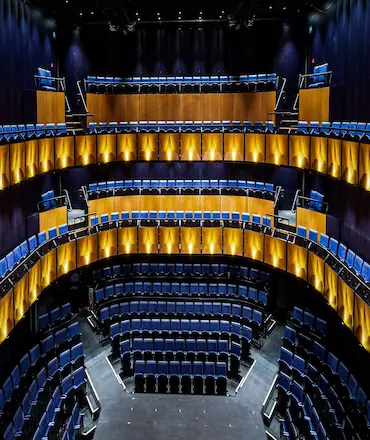
The West End’s broader live music ecosystem is also shifting, with more late programming and a stronger sense of night culture as a legitimate part of the city’s offer. The best plan is to treat live music in Soho as the central act, then build dinner and drinks around it, not the other way round.
Shop Between Drinks For Independent Soho Finds
Soho is at its best when the day does not end cleanly and the night does not start abruptly. Independent shopping is one of the easiest ways to keep that continuity, especially if you arrive early or have time between dinner and a show.
Berwick Street remains a strong hunting ground for independent retail energy, and its rise as a destination for curated brands has been reinforced by flagships like Wolf & Badger. Brewer Street, meanwhile, has leaned into global streetwear credibility, with Carhartt WIP expanding its Soho presence into a larger flagship-sized space. Carnaby’s surrounding streets continue to pull in beauty and lifestyle footfall, with K-beauty and high-touch cosmetics creating the kind of tactile, try-before-you-commit shopping that online cannot replicate.
For visitors, this matters because it changes the feel of the night. You are not just moving from restaurant to bar; you are moving through a neighbourhood that still behaves like a place people use.
Choose A Soho Hotel That Keeps You Close To Last Orders
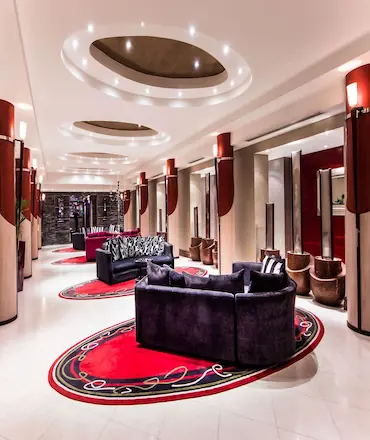
If you are staying over, choose proximity over prestige. The smartest Soho hotels are the ones that let you step outside and be in the night immediately, then return without a second thought when you are done.
Look for a hotel that sits on the edge of the busiest lanes rather than directly on them. You want the convenience of walking everywhere, but you also want a door you can find at 1am without negotiating the loudest crowds. For business travellers and hospitality professionals, this is also the easiest way to use Soho properly: meetings by day, dinner and bars by night, and no time lost to cabs that crawl through the West End.
Get Home Smoothly With Late Night London Transport
Decide your exit before you commit to the last round. Soho is well served by Central London transport, but your experience depends on timing and where you finish.
If you are leaving after midnight, build in a 10 minute buffer and head towards your nearest major station rather than assuming a car will arrive quickly on the tightest streets. On Fridays and Saturdays, late services on parts of the Underground network can make staying out easier, but the streets still get busy, and the queue outside a station can feel like the final venue of the night.
For those who want extra reassurance, Westminster’s Night Stars operate in Soho on Friday nights, offering practical help such as directions, support and a visible presence for anyone who feels vulnerable. The council has also backed additional CCTV investment in and around Soho as part of wider West End safety measures. The point is not to turn Soho into a sterile zone; it is to keep the night workable when the pavements are full.
Understand Why Soho Still Runs On Proximity
Soho’s resurgence is not only about restaurants and bars; it is also about what happens above them. The creative industries remain tightly clustered here, and the district continues to attract companies that need specialist rooms and rapid collaboration.
Warner Bros. De Lane Lea’s purpose-built post-production home at Ilona Rose House on Greek Street is a reminder of how physical the screen economy still is, even in an age that pretends everything is remote. High-end sound and picture work requires calibrated spaces, secure workflows, and the kind of quick iteration that happens fastest when the team can walk to the next meeting. This is why Soho’s weekdays have regained their edge, and why the 5pm to late pattern feels so natural here.
Landlords have also leaned into curation rather than generic chain expansion. Shaftesbury Capital’s leasing activity and its focus on a mixed, experience-led West End tenant mix has helped keep Soho feeling like a neighbourhood rather than a corridor. That stewardship shows up at street level in the density of independent brands, restaurants and small venues that make the area feel usable for locals as well as visitors.
Soho, in other words, still sells what screens cannot: proximity, friction, surprise, and the pleasure of being in the same room.
Conclusion
A strong Soho night in 2026 is not about doing everything; it is about sequencing the right things. Start with dinner on streets that keep you close to the next move, switch to bars that feel like proper rooms, and book music or theatre as the night’s anchor rather than an optional extra. Let Old Compton Street set the tone if you want Soho LGBTQ+ nightlife, and use courtyards and side lanes when you want the night to soften without ending. Keep one eye on safety and transport so you do not spend your final hour negotiating logistics.
Soho works because it is a circuit board: touch one point and the whole place lights up. Plan the circuit, then let the electricity do the rest.