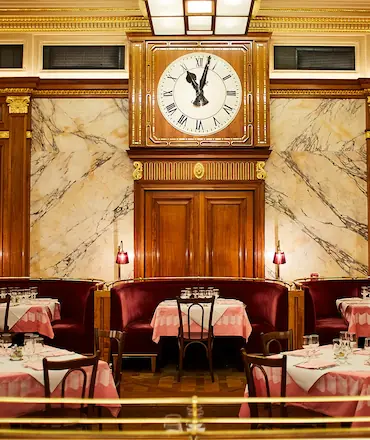
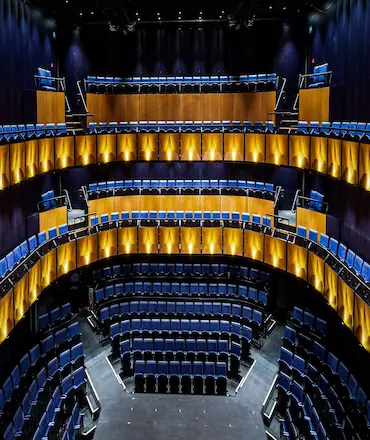
Soho has a habit of making people say things they did not plan to say.
“We’re only going for one drink.”
“Let’s just walk through Old Compton Street and see what happens.”
“I need food, not another cocktail.”
“Actually, where’s still open?”
That is the rhythm of the neighbourhood. A plan starts neatly enough — dinner on Greek Street, a show on Dean Street, a drink somewhere off Wardour Street — and then Soho does what Soho does. It stretches the evening. It turns a quick catch-up into a story. It makes a Tuesday feel like the beginning of a weekend and a Saturday feel like the city has decided to keep all its lights on just for you.
But something interesting happens after midnight now. The night does not always end when people leave the bar, step out of the theatre, or squeeze into a cab near Shaftesbury Avenue. For many Londoners, the mood continues at home, only quieter. The noise drops. The shoes come off. The group chat starts replaying the evening. Someone sends a blurry photo. Someone else writes, “How are you still awake?” And sometimes, instead of scrolling until sleep wins, people look for something more interactive.
That is where digital companionship enters the picture.
Not as a replacement for Soho. Nothing really replaces Soho. But as part of the modern after-hours routine: another way of carrying the social energy of the night into a more private space.
Soho Has Always Been About Connection
Soho is not just a location. It is a meeting point.
It is where theatre crowds spill onto the pavement, where restaurants are packed before anyone has decided where to go next, where queer nightlife has shaped the character of London for generations, and where a small bar can feel like the centre of the universe for one very specific hour.
A good Soho night is rarely just about the venue. It is about the movement between places. The walk from dinner to drinks. The argument over whether to go home or stay out. The friend who says they know “a tiny place round the corner.” The stranger in the smoking area who somehow becomes part of the group for fifteen minutes.
That is the charm. Soho gives people permission to be a little more open, a little more curious, a little more theatrical than they might be elsewhere.
You see it around Old Compton Street, where the mood can shift from relaxed to riotous in half a block. You see it near Dean Street after a show, when people are still talking too loudly about what they have just watched. You see it in basement bars, late restaurants, cabaret rooms, clubs, and cafés where nobody seems in a hurry to call time on the night.
That appetite for connection is exactly why digital companionship feels relevant here. Soho’s culture is built on personality. Not polished perfection. Personality. Flirtation, humour, performance, private jokes, little bursts of confidence. The online world has spent years trying to imitate that, usually badly. But AI companion platforms are part of a newer shift: less passive scrolling, more responsive interaction.
The Night Does Not End at Closing Time
Ask anyone who has left Soho after midnight. There is a strange half-hour after the night ends but before real life comes back.
You are in the Uber. Or waiting for the Night Tube. Or walking towards Tottenham Court Road pretending the cold does not bother you. Your ears are still full of music. Your phone battery is at 12%. Someone in the group chat writes, “Made it home?” Someone else replies with a photo of chips.
The evening is over, technically. Emotionally, not quite.
That afterglow has always existed. What has changed is what people do with it. A few years ago, it might have meant checking Instagram stories, texting someone from the night, or falling into a dating app for ten minutes that somehow became forty. Now the options are broader. People move between group chats, private messages, short videos, live streams, dating platforms, games, and AI-powered conversations without thinking of them as separate worlds.
It is all part of the same night.
One person might get home after drinks near Carnaby and open a dating app because they are still in a flirty mood. Another might want a calm conversation without the pressure of arranging another date. Someone else might simply want to keep the feeling of attention and playfulness going, but in a space that is theirs alone.
That is not antisocial. It is just how modern social energy works. Sometimes people want the crowd. Sometimes they want one voice.


From Dating Apps to AI Companions
Londoners know the promise and exhaustion of dating apps. They are useful, sure. They are also a second job with worse admin.
“Hey, how’s your week going?”
“What brings you to London?”
“Drinks sometimes?”
There is nothing wrong with it, but after a night in Soho — after real eye contact, real music, real laughter, real atmosphere — opening an app can feel strangely flat. Too many profiles. Too much performance. Too much waiting for someone to reply with more than three words.
AI companions sit in a different category. They are not exactly dating apps, not exactly games, and not exactly social media. They are more like private, personality-led spaces where conversation can be playful, responsive, flirtatious, relaxed, or simply entertaining, depending on the mood.
That is why they have started to make sense as part of adult digital entertainment. The appeal is not only that the technology is new. New technology gets boring quickly. The appeal is control. Pace. Privacy. A sense that the interaction is shaped around the person using it, rather than thrown at them by an algorithm that has decided they need another video about someone else’s holiday.
For some adults, the night no longer ends the moment they leave Dean Street or Old Compton Street. Back home, the same appetite for conversation, flirtation and personality-led entertainment can continue through platforms such as the official Joi site, where the experience feels more private, responsive and personal than another endless scroll through social media.
That is a more natural fit for Soho than it may first appear. This neighbourhood has always understood adult entertainment in a broad sense: theatre, cabaret, comedy, nightlife, food, bars, music, style, performance, desire, curiosity. AI companionship is simply a newer digital expression of that same old human urge to be met with attention.
Why AI Companions Fit the Soho Mindset
Soho is not built for blandness.
It likes places with a bit of story. Restaurants that feel squeezed into the city by force of will. Bars that are too small but somehow perfect. Stages where the night could go in any direction. Clubs where the queue is annoying but the promise is just strong enough to keep people waiting.
AI companions, when done well, are also about character. The question is not just “What can the technology do?” That is the boring version. The better question is “What kind of mood does it create?”
After a busy night out, not everyone wants more noise. Some people want something softer. Others want flirtation without the logistics. Some want a bit of fantasy. Some want a space that does not judge the hour, the outfit, the awkwardness, or the fact that they are eating toast at 1:37am while pretending it is a proper meal.
That is where privacy matters. Soho is public, gloriously so. It is pavements, queues, neon, bar stools, shared tables, door staff, theatre foyers, and strangers brushing past. But not every part of a person’s social life belongs in public. Some moods are better after the front door closes.
Digital companionship gives people an after-hours room of their own.
Not Replacing Soho, Just Extending the Night
It would be silly to suggest that AI companions could replace real nightlife. They cannot. They do not give you the buzz of walking through Soho with nowhere urgent to be. They do not give you the smell of a late kitchen, the drama of a basement cabaret, the comfort of an old pub, or the collective laugh that moves through a room at exactly the right moment.
Soho is physical. That is why it matters.
But modern nights out are no longer only physical. They start before arrival, with bookings, maps, reviews, outfit decisions and “Where are we actually meeting?” messages. They continue during the night through photos, group chats and last-minute venue changes. Then they trail home with people afterwards, through playlists, private conversations and whatever digital space fits the mood.
Think of AI companionship less as competition and more as the after-hours echo. Soho lights the match. The digital world keeps a little of the glow going.
Soho has always changed. That is how it survives.
It has absorbed theatre culture, food trends, queer nightlife, music scenes, casino nights, fashion, independent retail, wellness habits, digital booking culture and every new version of “going out” London has invented. Some changes arrive loudly. Others slip in quietly, one habit at a time.
AI companionship is one of those quieter changes. It does not announce itself with a queue outside a venue or a new sign above a door. It appears later, at home, when the night is over but the person is not quite ready to be alone with the silence.
And somehow, that feels very Soho.
Because beneath all the restaurants, bars, theatres, clubs and glowing shopfronts, Soho has always been about the same thing: wanting the night to answer back.