London’s entertainment scene is often talked about in terms of scale, from packed West End theatres to major museums and galleries that draw millions of visitors each year. London’s entertainment sphere is world-renowned for being amazing; it offers opportunities to people from all different walks of life to enjoy the arts. What tends to sit less visibly behind all of this is the funding that helps keep many of these spaces running, improving and accessible over time.
Among those funding streams, contributions linked to the National Lottery have played a massive role over the years. It is not something that most people notice, though. There aren’t usually huge notices when you walk into a theatre or gallery; it almost always goes unnoticed by the public. This being said, it has shaped parts of the city’s cultural landscape in ways that have changed it forever; it has also given opportunities to upcoming artists, which have changed their lives forever. As the National Lottery has grown and evolved, the rise of online lotto platforms has made participation more accessible than ever, quietly broadening the pool of players whose ticket purchases ultimately feed into these cultural grants.
Supporting Well-Known Venues
Some of London’s most recognisable cultural spaces have, at different points, relied on public funding to carry out major work. This is often less about building something new and more about making sure existing venues can continue to function properly.
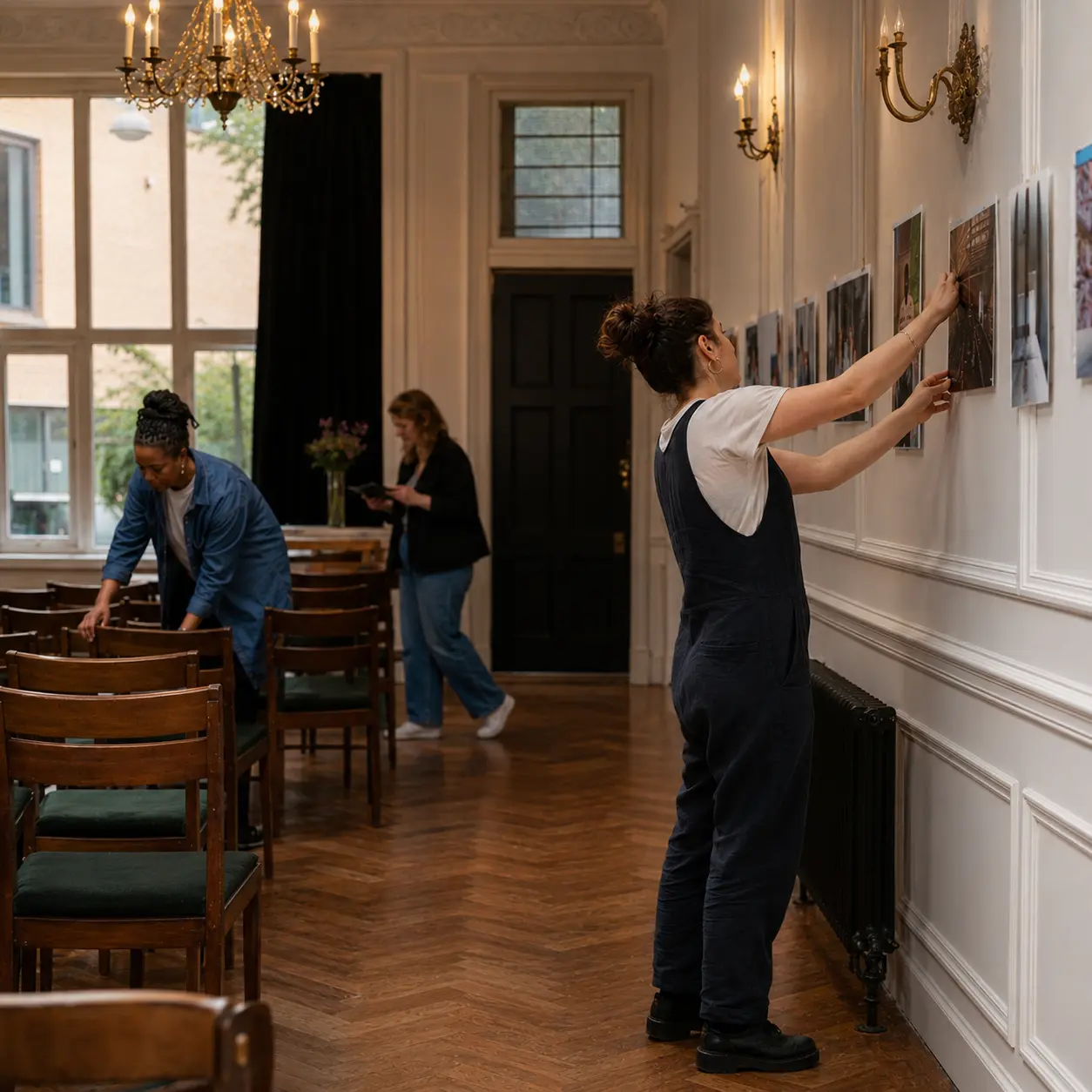
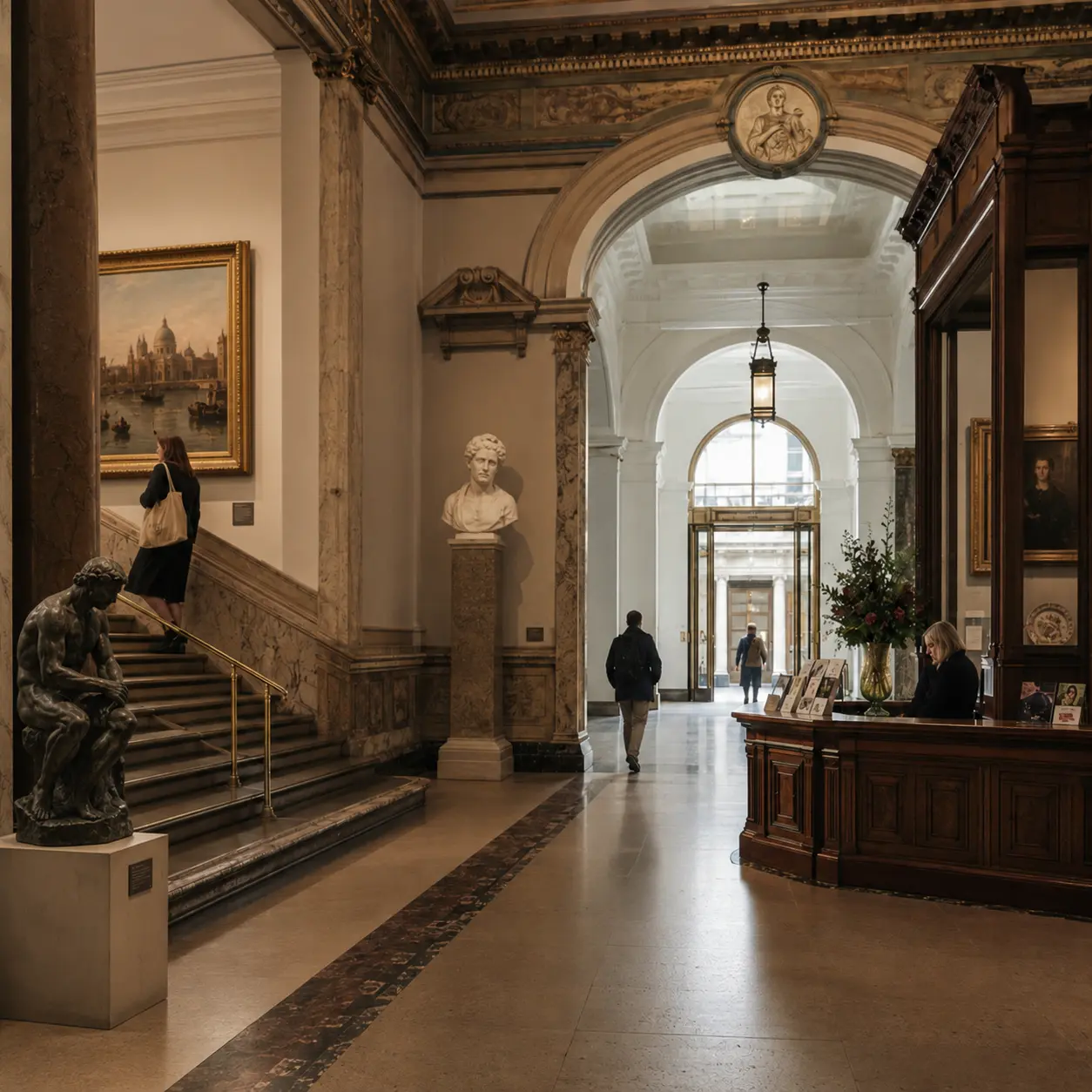
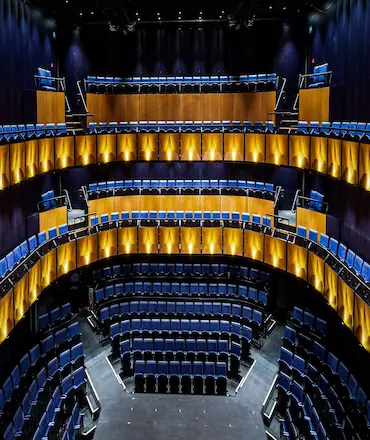
At the Royal Opera House, for example, redevelopment projects have helped modernise facilities while keeping the building’s original character intact. Similar work has taken place at the National Theatre, where improvements have focused on maintaining performance spaces and making them more usable over the long term. These kinds of projects rarely change what a venue is, but they do affect how it operates behind the scenes and how people experience it.
Beyond the West End
While the West End usually dominates conversations about entertainment in London, a lot of the city’s cultural life exists outside of that commercial centre. Smaller theatres, independent venues and rehearsal spaces play a smaller, but still extremely important role.
Funding has helped some of these spaces stay open, update their facilities or expand what they can offer. In many cases, the work is practical rather than visible, things like structural repairs or technical upgrades that allow performances to continue without interruption.
It is not the kind of support that makes headlines, but without it, parts of the wider theatre network would struggle to operate in the same way.
Museums as Part of Entertainment
Entertainment in London is not limited to performances. Museums and galleries are a major part of how people spend time in the city, whether they are visiting from elsewhere or living locally.
Places like Tate Modern and the Victoria & Albert Museum have both gone through periods of redevelopment, at different point. Funding they received contributed to expanding spaces and improving their layouts. These changes are often gradual, but they shape how collections are presented and how easy it is to move through the space. This is something that a lot of people don’ t even realise until it's in a bad way.
In many cases, the goal is not to transform these institutions completely, but to keep them usable, accessible and relevant as expectations change.
Smaller Projects, Local Impact
Away from central London, there is a different layer of activity that does not always get the same level of attention. Local arts organisations, community theatres and small galleries often rely more heavily on external funding to operate.
These projects tend to focus on access and participation. That might mean running workshops, hosting small exhibitions or creating space for local artists. The scale is smaller, but the impact is often more direct for the communities involved.
Funding in these cases is usually used for practical things, maintaining a space, covering basic costs or allowing a programme to run for longer than it otherwise could.
Outdoor Events and Public Spaces
London’s entertainment also extends beyond things that happen inside pay-to-enter buildings. Parks, squares and open spaces regularly host events, from performances to temporary installations. Support has helped make some of these events possible by covering the less visible costs, staging, lighting, accessibility measures and general setup. Without that kind of backing, many events would be harder to organise, particularly in public spaces not originally designed for large gatherings. These events often come and go quickly, but they add to the overall sense of activity across the city.
Gradual Change Rather Than Big Shifts
One of the more noticeable things about lottery-related funding in London is that it rarely leads to dramatic, overnight change. Instead, it tends to support gradual improvements spread across different parts of the city. Theatres, local art projects and galleries will be helped, but it will most likely be little by little. Changes on their own will come across as small, but all together, they will make a much wider picture, overall. It is this cumulative effect that has helped maintain London’s position as a major cultural centre without completely reshaping what already exists.
Conclusion
London’s entertainment world is often defined by what is visible instantly. This is made up from the performances, exhibitions and events that people experience directly. What sits behind that is a quieter layer of support that helps keep these spaces operating over time.
Funding linked to the National Lottery has been part of that background for years, contributing to restoration work, upgrades and smaller local projects across the city. It does not usually change the identity of a place, but it helps ensure that it continues to function. In that sense, its impact is not always obvious, but it is built into the way London’s cultural spaces continue to operate and evolve.