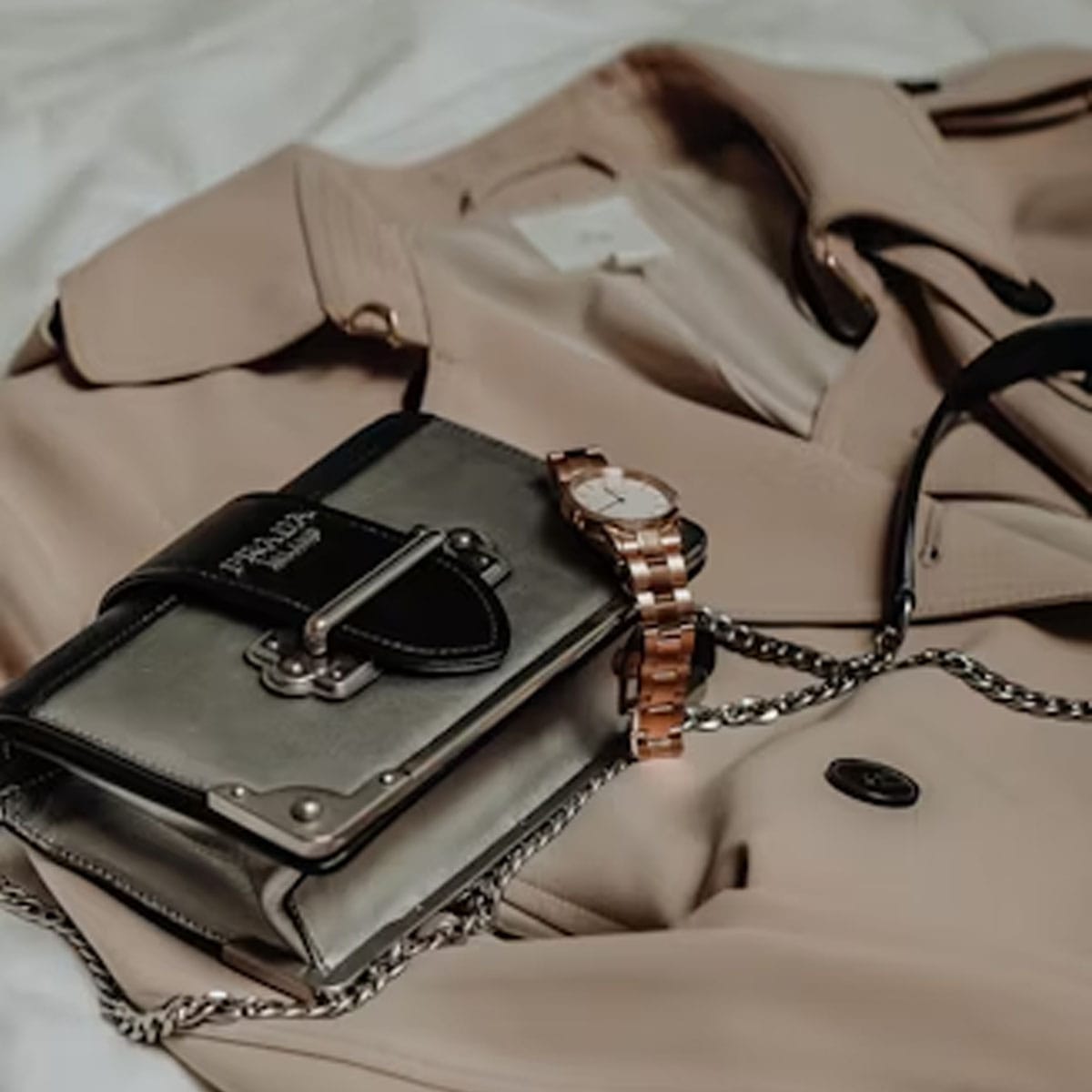
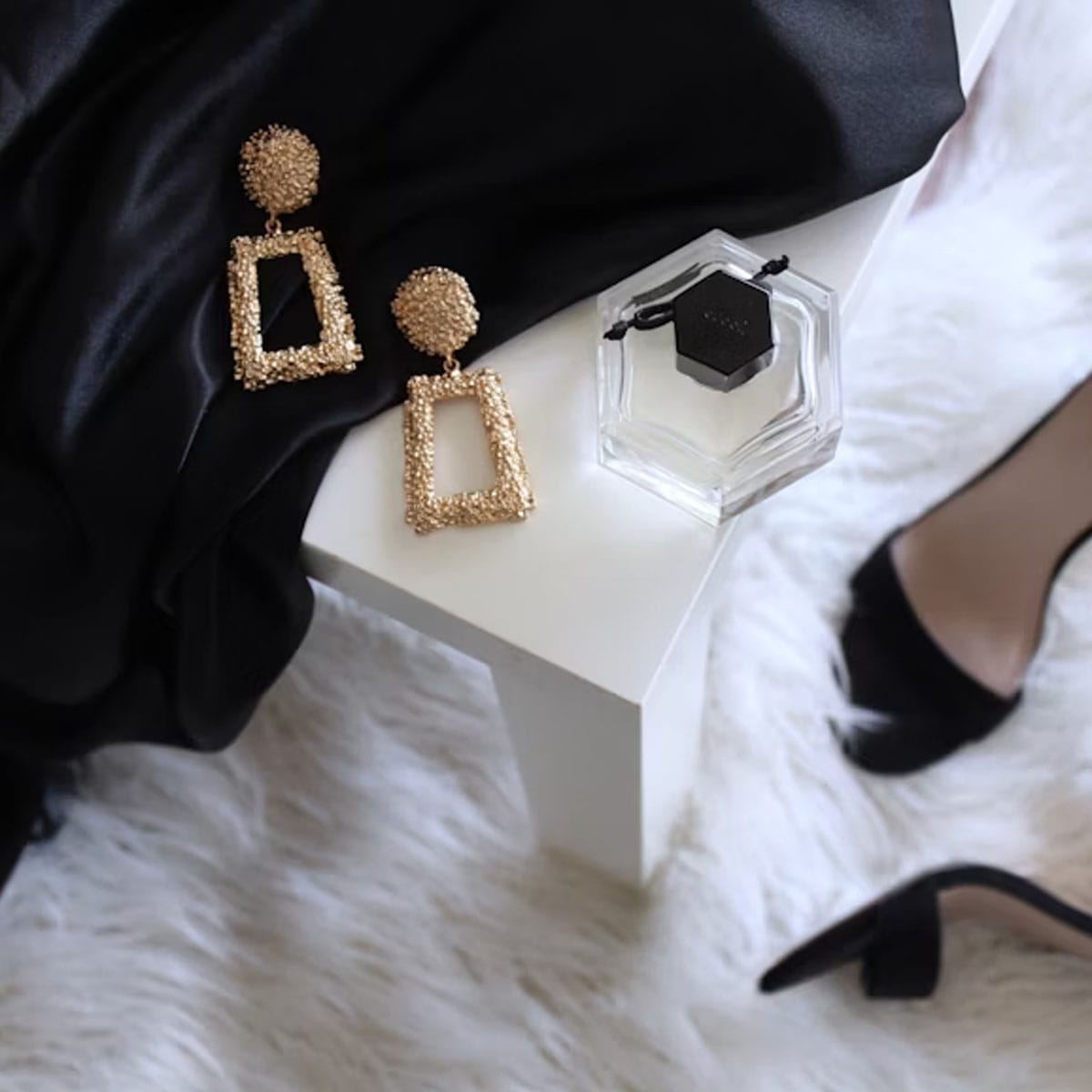
Luxury fashion has long been a status symbol, specifically for the rich and powerful. It was heavily linked with exclusivity and prestige. Many brands shaped their identities using these features, often shaping and selling themselves based on scarcity and heritage. Some major brands such as Burberry, Balenciaga, Gucci and Rolex are highly recognised names within the UK. They have become culturally significant, with Rolex inextricably linked with high-quality time pieces, and Burberry linked to the Royal Family.
Over the years, luxury fashion has evolved from ancient times into a current, global phenomenon. These days, luxury fashion is not just about showing off wealth, though; it's about the designs, aesthetics and artistry behind the items too. These days, haute couture, bespoke designs and, increasingly, mass-market luxury are all part of the top-level fashion world. As such, many of the top brands are now influenced, changing and adapting to the new fashion trends. With consumer expectations removing the need to cater only to the elite minority, luxury fashion is becoming a thing for everyone.
A New Era: Sustainability and Second-Hand Luxury
With a major change in the way consumers shop and behave, the fashion industry is having to adapt and be flexible. Much of this behaviour is driven by increased environmental awareness, as well as economic considerations. Importantly, consumers are increasingly looking for sustainable consumption and shopping accordingly. This has meant that a wider range of platforms, such as Amazon, Vinted, The RealReal, Farfetch and Vestiaire Collective are changing the way consumers can access luxury fashion. Instead of for the elite, it's becoming more accessible, democratic and eco-conscious.
Sites like Farfetch have played a part in this type of transformation. For instance, this is one of the top trusted sites when it comes to authenticated second-hand luxury items. This is coupled with a seamless shopping experience that enables shoppers to access a wealth of different fashion items without breaking the bank. In addition to this, sites like Discoup.com have different Farfetch discount codes and promotional offers available at all times, which makes it even easier for consumers to access high-quality luxury goods without overspending. In this way, shoppers can be environmentally conscious and make sustainable purchasing choices.
By opting to purchase second-hand luxury fashion, shoppers are able to get their hands on previously expensive items while also ensuring a circular fashion process is in place. This helps to reduce wastage and dumping, which is a huge part of the fashion industry and has a major impact on the environment directly.
By engaging in such initiatives, brands can actually regain control of the resale prices and quality of the second-hand garments. As with Farfetch, luxury items are actually checked and verified, making sure that the quality is maintained. It also means these brands are able to cultivate long-term relationships with younger consumers, those who have sustainability as a core in their shopping practices.
With this in mind, it's worth noting that major brands such as Balenciaga and Gucci now offer take-back programmes and official resale options for second-hand or previous season items. Many of these features are offered in partnership with resale platforms, which means that they help to either authenticate or even refurbish items to preserve the integrity of the original luxury brand.
Luxury Meets Circular Fashion
These days, it's important for brands to look to the future. Combining a shopping model of offering both new and second-hand items is really helping businesses and major brands to accomplish this. Previously in the high-fashion industry, resale was a thing to avoid, reducing the brand's essence and reducing the exclusivity factor so much desired. However, with the change, resale is now a strategic opportunity rather than a threat. It helps to build loyalty, reduce overproduction and even helps extend the lifecycle of garments made by each brand or fashion house.
In particular, this shift is due to Millennials and Gen Z, who are pushing the trend. This is partly to do with pricing and costs, but also because of increased environmental and sustainability values. These days, younger consumers are looking for transparent, responsible brands that align with their own environmental goals and ideals. As such, luxury resale, supported by digital traceability, repair and care instructions, is likely to become the future of fashion. Style, sustainability and access are offered all as one.