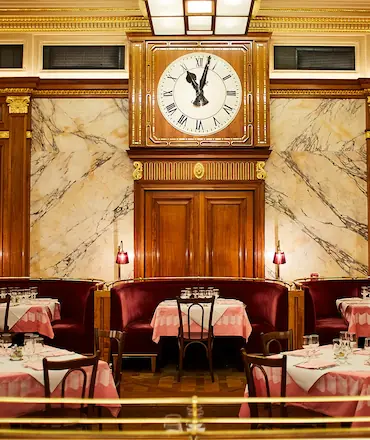
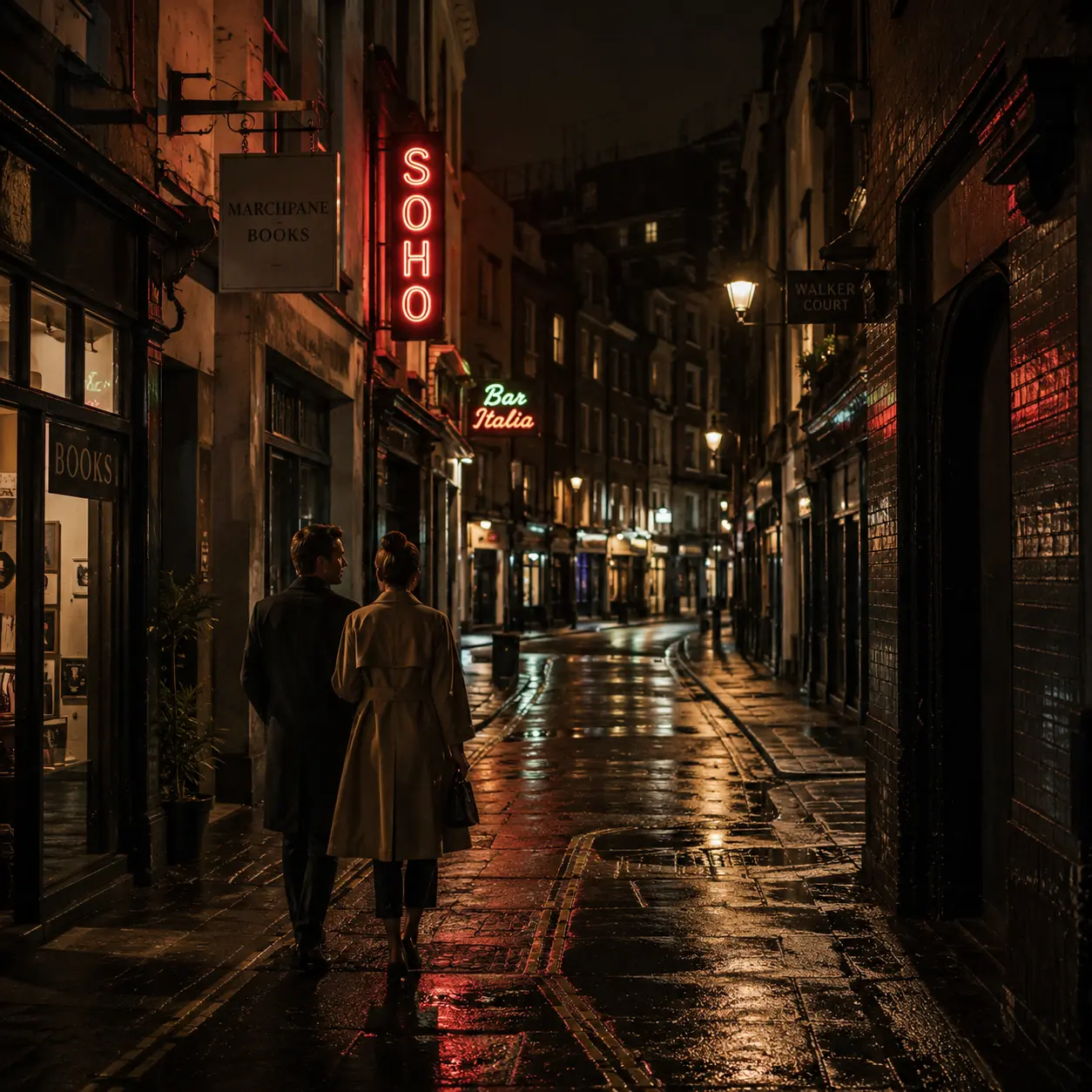
Soho after midnight has always carried a special pull, where the streets hum with stories from decades past and visitors linger in search of something more. This guiding idea of extending the night beyond its physical limits shapes how many now blend the area's historic energy with personal digital leisure, often discovering options such as casinos not on gamstop that echo the variety once found only in tucked-away venues. The atmosphere lingers in the mind long after the last footsteps fade, encouraging people to seek out further ways to prolong the sense of possibility that only emerges once the crowds thin and the neon signs flicker against older brickwork.
Echoes from Earlier Decades
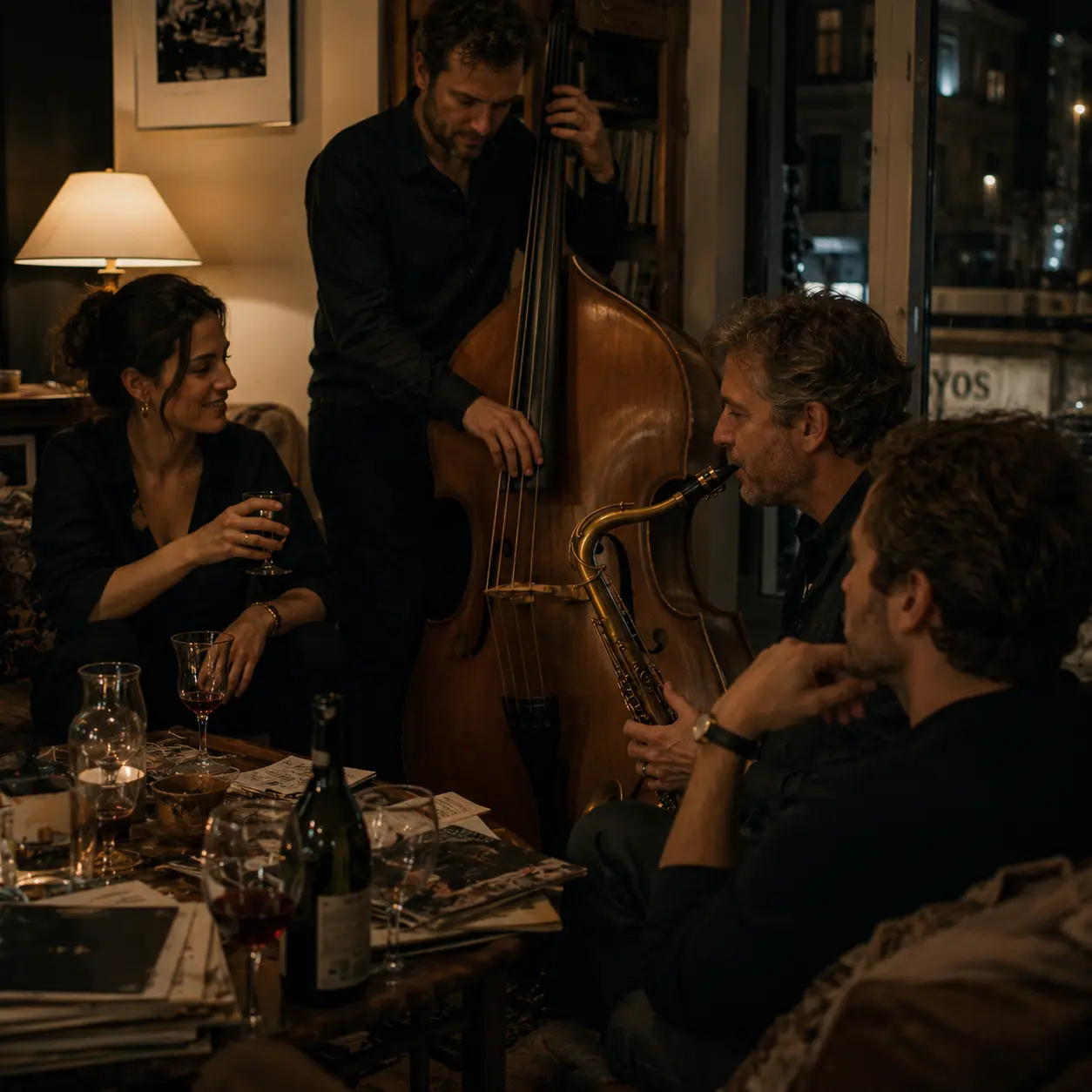
The guiding idea surfaces clearly when looking at how Soho's after-hours reputation developed. Narrow alleys once hid jazz clubs and late-night coffee bars that kept going long after official closing times. People moved from one spot to another, chasing the next unexpected moment rather than settling for the familiar. That same search for continuation appears today when evenings stretch into quieter hours at home, where choices multiply in ways that feel both new and rooted in old habits. Musicians would pack up their instruments only to unpack them again in someone’s flat nearby, turning private spaces into temporary stages where laughter and improvisation carried on until dawn. These spontaneous gatherings created a rhythm that residents still recognise today, when the urge to keep the evening alive leads them toward flexible forms of entertainment that respect personal timing rather than rigid schedules.
Historical records show how the neighbourhood resisted early attempts to quiet its nightlife. Crowds gathered around doorways, drawn by word of mouth and the promise of something different around the corner. These patterns of movement and discovery continue to influence how residents and visitors approach their free time once the last bar turns off its lights.
Stories Preserved in Local Memory
One way to understand this continuity comes through accounts of London nightlife. They describe how small establishments created atmospheres that encouraged people to stay longer, mixing conversation with light entertainment. The guiding idea of extension reappears here: the physical night never truly ended at a fixed hour but flowed into personal recollections and later conversations. Waiters and performers alike became part of the fabric, remembered years later for a particular joke or a song that captured the mood of a particular Tuesday evening in winter.
Modern visitors often retrace similar routes, stopping at corners where older buildings still stand. The sense that something more awaits just out of sight mirrors the way digital options now offer further layers once the streets empty. Walking past familiar façades can trigger memories passed down through generations, making the transition from pavement to private screen feel less like an ending and more like another chapter in the same story.
Shifting Boundaries Over Time
Research on local geography highlights how Soho's reputation for late activity shaped its layout and social character. Over generations, the area adapted to changing rules while keeping its core appeal intact. The guiding idea remains visible in these adjustments, as boundaries between public nightlife and private time grew more fluid. Soho immoral geography research reveals how shifting attitudes gradually opened new possibilities for leisure without erasing the district’s distinctive character. Residents recall evenings that began with familiar faces in doorways and ended with new connections formed over shared interests. This pattern of gradual unfolding helps explain why many continue seeking entertainment that moves beyond fixed closing times into more flexible formats.
Personal Choices in Quiet Hours
The guiding idea finds fresh expression when people return home after exploring Soho's streets. Instead of ending the evening abruptly, they turn to activities that maintain a thread of excitement. Wider selections in games and payment styles become natural extensions of the same curiosity that drew them out in the first place. The same instinct that once led someone from one basement club to another now guides choices made in the comfort of their own space, where the night can unfold at its own pace without external interruptions.
Finding Fresh Layers of Enjoyment
Neighbourhood directories and personal stories alike point to the satisfaction that comes from unexpected discoveries. In Soho this might mean stumbling across a basement bar still serving after hours; elsewhere it translates into exploring digital selections that offer similar surprise without leaving the sofa. The guiding idea of seamless continuation ties these experiences together across different settings. Many visitors speak of the quiet thrill that arrives when an evening takes an unplanned turn, whether that involves meeting an old acquaintance on a familiar corner or simply following a new recommendation that appears at just the right moment. These small shifts keep the night alive in memory long after the original outing has ended.
Revisiting the Guiding Thread
Classic references to the district remind readers that Soho has always balanced visible spectacle with hidden corners. That balance keeps drawing people back, whether through physical wandering or digital exploration that respects the same sense of timing and choice. The guiding idea of extending the night therefore feels less like a modern invention and more like a continuation of long-standing local rhythms. Writers from earlier centuries noted the same blend of public energy and private possibility, describing how the area’s narrow streets could transform an ordinary evening into something memorable. Today’s explorers inherit that tradition, carrying it forward in ways that honour both the past and the present without forcing either into a rigid shape.