In the winding streets of Soho, where small doorways lead to unexpected finds, many locals and visitors alike prefer the personal touch of independent shops over larger chains. This preference for unique experiences often extends into how people seek out their evening entertainment, looking for options that feel tailored rather than one-size-fits-all.
As the day turns to night, some find that exploring online casinos offers a similar sense of individual choice in leisure activities.
Stepping Away from Familiar Routes
Soho draws in those who turn down quieter alleys rather than sticking to the main thoroughfares. A modest bookshop tucked beside a café might stock rare editions that larger outlets overlook, while a tiny record store plays vinyl that sparks conversations with the owner. These encounters create a sense of discovery that repeated visits to big-name spots rarely match. The same impulse drives people to seek out leisure pursuits that feel personal, where each session unfolds according to individual taste rather than preset schedules. Local observations suggest that wandering off the beaten path often uncovers hidden courtyards filled with street art or tiny workshops where artisans repair vintage watches by hand. Such moments add layers to a day out, turning a simple stroll into something memorable and distinctly Soho. One might pause to watch an artist sketching passers-by on a quiet bench, or stumble across a pop-up exhibition in a converted garage that showcases local photographers. These unplanned stops often become the highlights of the visit, offering stories to share later over dinner.
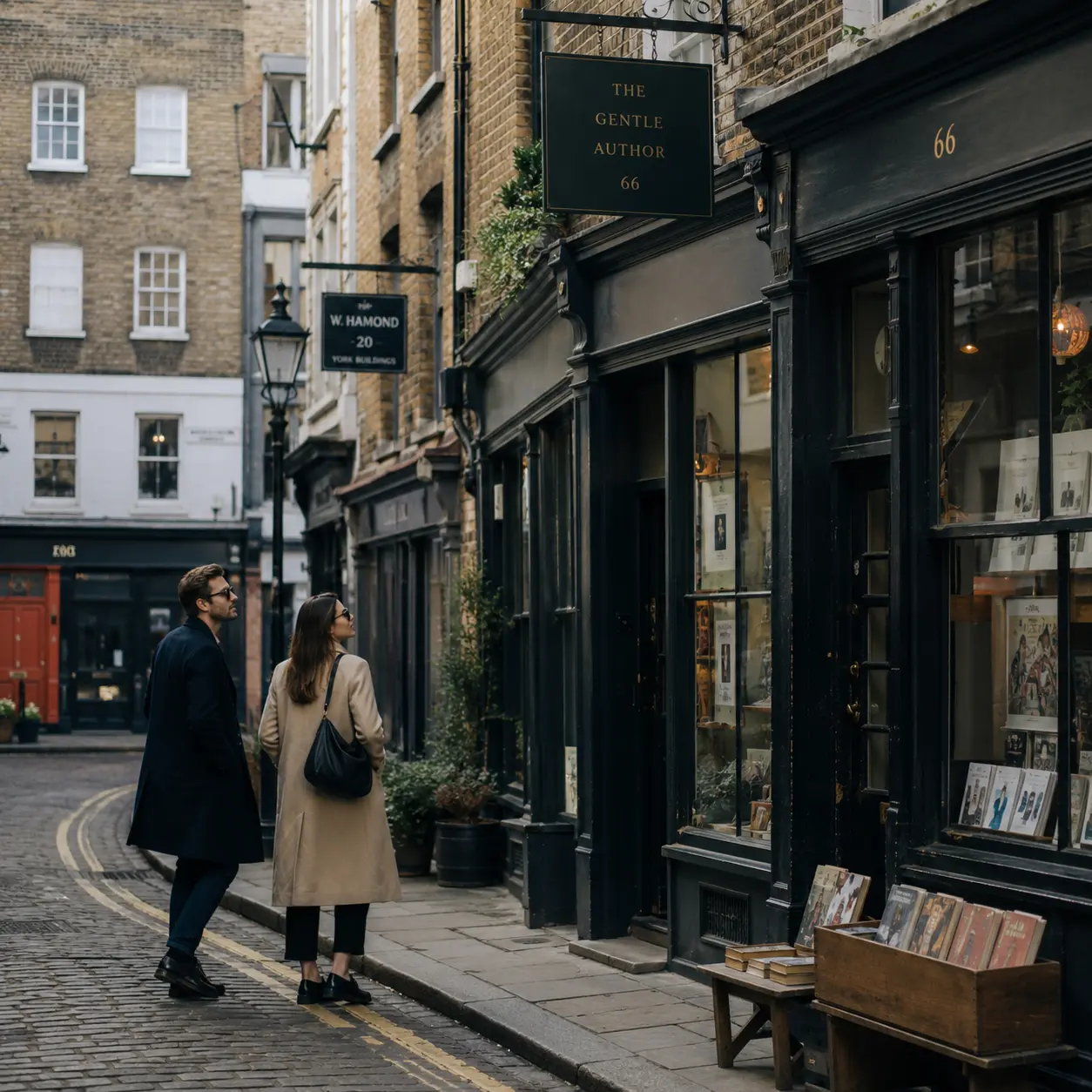

Small Shops That Hold Lasting Appeal
Independent retailers in the area often survive through loyal customers who value atmosphere over convenience. One might spend an afternoon browsing vintage clothing in a basement space, emerging with a garment that carries its own story. Another could linger in a specialist tea merchant’s shop, sampling blends that reflect the owner’s travels. Such places stand out because they invite time and attention rather than quick transactions. Recent retail studies highlight how these outlets contribute to neighbourhood character, encouraging footfall that benefits surrounding businesses as well. According to the city retail assessment, smaller traders help maintain the distinctive mix that keeps areas like Soho vibrant even as larger developments press in from nearby streets. Shoppers often return because the service feels genuine, with owners remembering regular faces and offering recommendations based on past chats rather than algorithms. Over time, these relationships turn routine errands into something warmer, almost like catching up with an old friend who knows your preferences without needing reminders.
Evening Moments Beyond the Obvious
Once the shops close, Soho’s side streets continue to offer quiet corners for reflection or conversation. A narrow wine bar might host impromptu acoustic sets, while an upstairs club keeps its doors open for those who prefer live jazz over crowded dance floors. These venues thrive on atmosphere built through personal interaction, much like the daytime independents. The thread of choosing one’s own pace runs through both the daytime wander and the later hours, where decisions about how to spend time remain firmly in the visitor’s hands. Further insights from the Soho public realm study underline how these tucked-away spots support a calmer evening rhythm that contrasts with louder tourist hubs elsewhere in central London. People often find themselves drawn back to the same discreet entrances week after week, appreciating the lack of pressure to conform to anyone else’s idea of a good time.
Balancing Physical Finds with Digital Options
Many residents notice how time spent in Soho’s independent spaces shapes their approach to other leisure. After browsing a hidden gallery or chatting with a market trader, the evening might involve turning to digital alternatives that similarly avoid the mainstream. Public space analysis shows that mixed-use neighbourhoods like this one encourage residents to blend outdoor exploration with indoor activities, creating a rhythm that feels varied rather than repetitive. This balance allows people to enjoy both the tactile pleasure of a physical shop and the flexibility of screen-based choices without one replacing the other. For instance, someone who has just discovered a rare print in a side-street gallery might later appreciate the quiet control of an online session that mirrors that same sense of personal selection. It becomes a natural extension of the day’s discoveries, keeping the spirit of curiosity alive even after returning home.
The Recurring Thread of Personal Discovery
Across different times of day, the appeal of independent experiences in Soho lies in the freedom to linger or move on according to mood. A visitor might begin with a morning coffee in a family-run café, spend the afternoon in a specialist shop, and finish by selecting an evening activity that matches their current frame of mind. Adaptive urban strategies note how such neighbourhoods adapt by preserving these smaller outlets, which in turn support a wider range of leisure habits. The same principle of deliberate choice appears whether someone is examining a hand-bound notebook or deciding how to fill an hour at home. Research captured in the high streets adaptive strategies shows that retaining these independent layers helps areas evolve without losing their core identity, allowing residents and visitors to keep finding fresh ways to enjoy both physical and digital pastimes. In practice, this means the neighbourhood continues to reward those who take their time and follow their instincts rather than rushing from one scheduled event to the next.
Closing the Circle on an Evening in Soho
By the time the last independent shop pulls down its shutters, the pattern of the day has already pointed toward similar decisions later on. Those who value the distinctive over the common often carry that outlook into their broader leisure habits, finding satisfaction in moments shaped by personal preference. In this way, a walk through Soho’s lesser-known corners becomes more than a shopping trip; it becomes a reminder that leisure, like the neighbourhood itself, suits those willing to look beyond the obvious.