Soho has long rewarded those willing to step off the main streets in search of distinctive finds. While Carnaby draws the crowds with its familiar mix of chains and well-known labels, the surrounding lanes hold smaller retailers that operate on their own terms, offering everything from hand-bound notebooks to vintage fabrics. In much the same way, many people looking for variety in their evening leisure turn to casinos not on gamstop when they want options that sit outside the most widely promoted choices. The area’s layered history adds another layer of appeal, with buildings that once housed artists and writers now sheltering quiet retail spaces where owners still know their regular customers by name.
Wandering the Side Streets
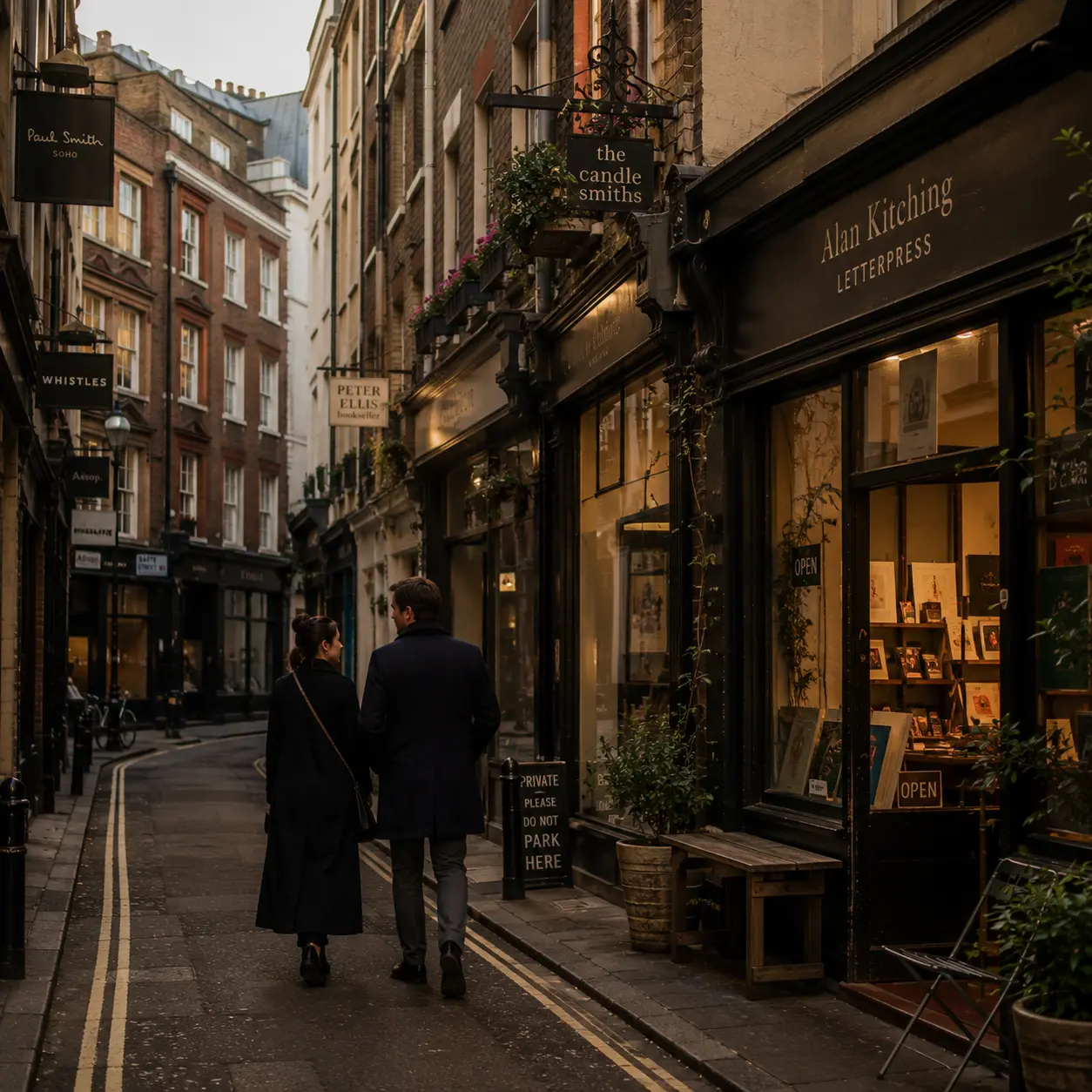
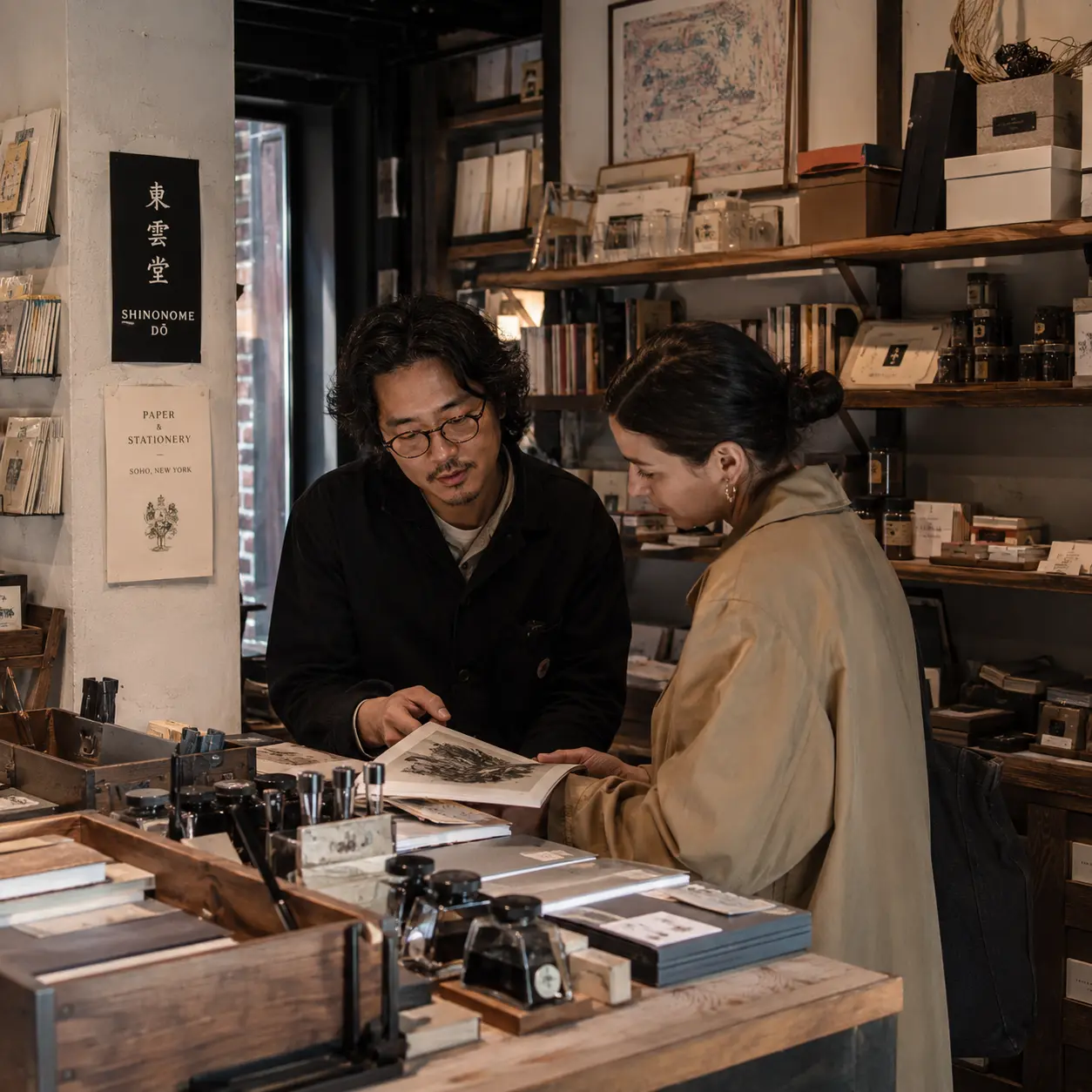
The narrow passages around Brewer Street and Lexington Street reward slow exploration. A tiny shop selling only Japanese stationery sits next to a specialist in antique maps, each keeping irregular hours that suit their owners rather than passing tourists. These places thrive because they serve a steady local following who appreciate the personal service and the absence of mass-produced stock. Visitors often discover them after an afternoon spent browsing the more visible thoroughfares, and the contrast in atmosphere is immediate. Further along, a narrow doorway leads to a basement room filled with hand-dyed silks and reclaimed buttons, while upstairs a former storeroom now displays limited-edition prints of Soho skylines at dusk. Guides to London shopping areas often point visitors toward these lesser-known spots when they seek something beyond the usual high-street experience. The rhythm of the day changes here too, with shopkeepers pausing to chat about a new arrival or the best nearby café for a quiet break.
The Appeal of Personal Curation
Independent retailers tend to reflect the tastes of the people who run them. One might specialise in limited-run prints from local artists, another in rare vinyl pressings that never reach larger outlets. This personal approach creates a sense of discovery that larger retail zones rarely match. Shoppers return because each visit feels slightly different, shaped by whatever new items the owner has sourced since the last trip. Over time the relationship between customer and proprietor deepens, turning a simple purchase into an exchange of stories about where a particular fabric came from or why a certain notebook paper feels just right under the pen. Many of these owners also host occasional evening events, such as informal talks or small exhibitions, that bring the community closer without any sense of commercial pressure.
Comparing Retail Landscapes Across London
Research that maps changing high-street patterns shows how concentrated development on streets like Carnaby can overshadow quieter corners. UK independent shops highlights similar pockets elsewhere in the capital, reminding readers that the most interesting finds often lie a few minutes’ walk from the busiest intersections. Soho follows the same pattern, rewarding those who treat shopping as an unhurried wander rather than a checklist. The same research notes that areas with mixed building ages and smaller unit sizes tend to retain a wider variety of traders, from bookbinders to button specialists, even as rents rise elsewhere. This mix keeps the neighbourhood character alive and gives visitors a genuine sense of place that polished retail developments often lack.
Evening Leisure and Everyday Choices
After the shops close, many residents and visitors extend their free time into digital entertainment. The decision about where to spend those hours mirrors the earlier choice of which physical shops to visit. People weigh privacy, range of options and ease of access, sometimes preferring alternatives that operate with fewer of the standard constraints found in mainstream offerings. This parallel becomes especially clear when the day’s shopping has already taken someone away from the most advertised destinations. Just as the side streets offer a break from chain stores, these choices provide a different pace once the evening begins.
Local Studies and Neighbourhood Character
Documents such as the Soho Public Realm Study document how the area’s narrow streets and mixed-use buildings support a retail mix that larger developments often erode. The findings underline the importance of preserving smaller units that allow independent operators to remain viable. Without that fabric, the distinctive character that draws people in the first place would gradually disappear. Local historians add that many of these buildings date back to the eighteenth century, when Soho was already known for its mix of trades and craftspeople working from home. That legacy continues today in the way shopfronts double as workspaces and living quarters above remain occupied by the same families who run the businesses below.
Practical Tips for Shoppers
Start near the quieter end of Old Compton Street and work outward toward the fringes of the neighbourhood. Carry cash for smaller purchases, since some owners prefer it, and ask questions—most proprietors enjoy talking about their stock. Allow enough time to double back if a window display catches the eye later in the afternoon. These small habits increase the chance of stumbling across places that never appear in standard guides. It also helps to visit midweek when footfall is lighter and owners have more time to share recommendations about neighbouring businesses worth a look. A notebook comes in handy for jotting down addresses, because many of these shops still rely on word of mouth rather than online listings.
Looking Beyond the Obvious Routes
Ultimately, both physical and digital leisure benefit from the same willingness to explore outside the most prominent options. Whether choosing a tucked-away retailer or an alternative form of evening entertainment, the reward lies in the sense of having made a personal selection rather than following the most visible path. Soho continues to offer that opportunity to anyone prepared to turn down the next side street. The experience stays memorable precisely because it feels unscripted, shaped by chance encounters and quiet discoveries rather than any planned itinerary.