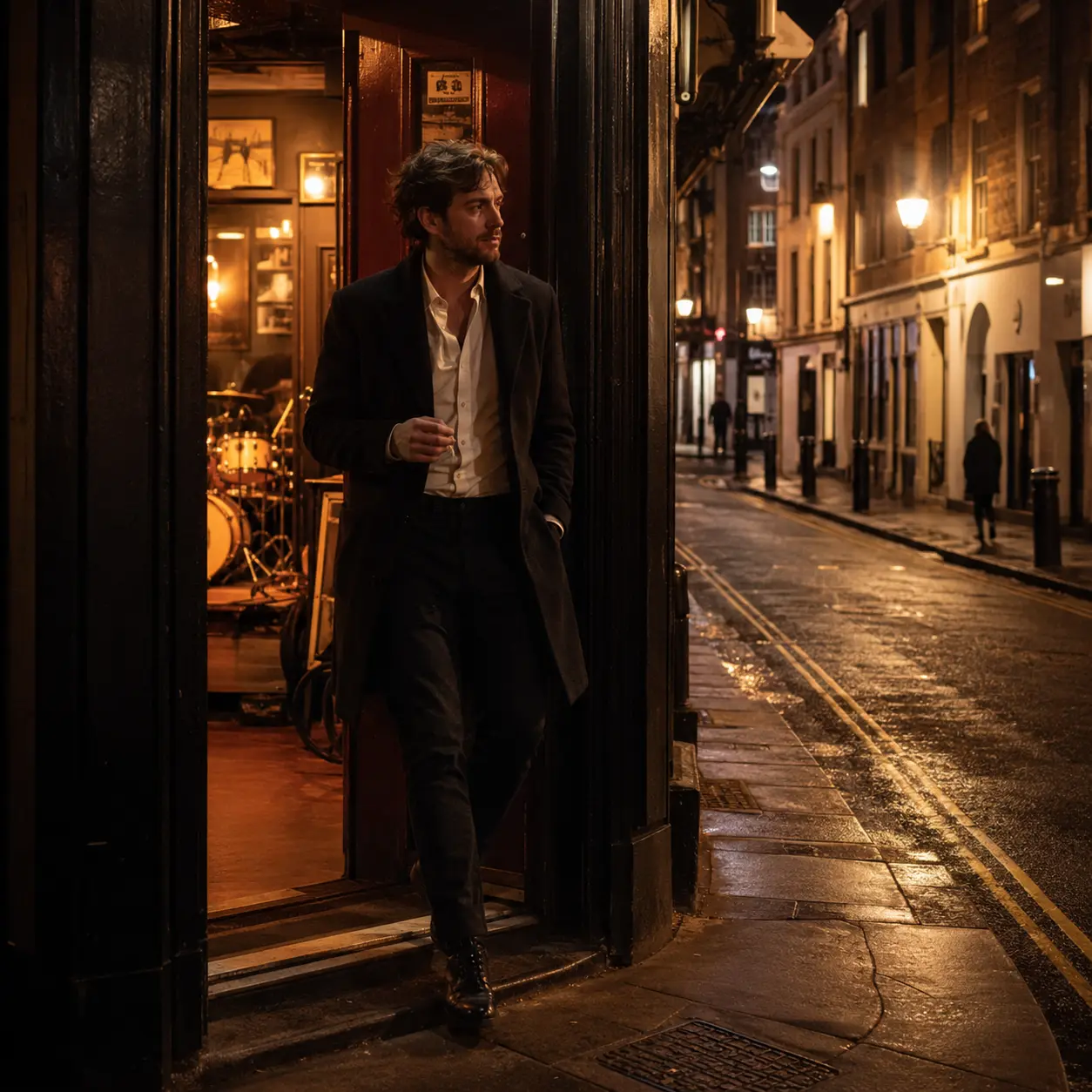
You step out of a small bar on Dean Street just after midnight, the last few notes of live music still drifting through the doorway behind you, and wonder how the rest of the night might unfold once the street begins to empty. Soho has always rewarded those who like to keep moving, yet the familiar pattern of last orders followed by a quick dash for the night bus can feel limiting when the mood lingers. Many people now look for ways to stretch the evening further, whether through quiet corners still open or choices that move easily from the street into the home, such as casinos not on gamstop that let the energy continue on a screen. The neighbourhood’s narrow lanes and hidden doorways encourage this kind of lingering, where one spontaneous decision leads to another without any fixed plan.
Quiet Corners Still Open After Midnight
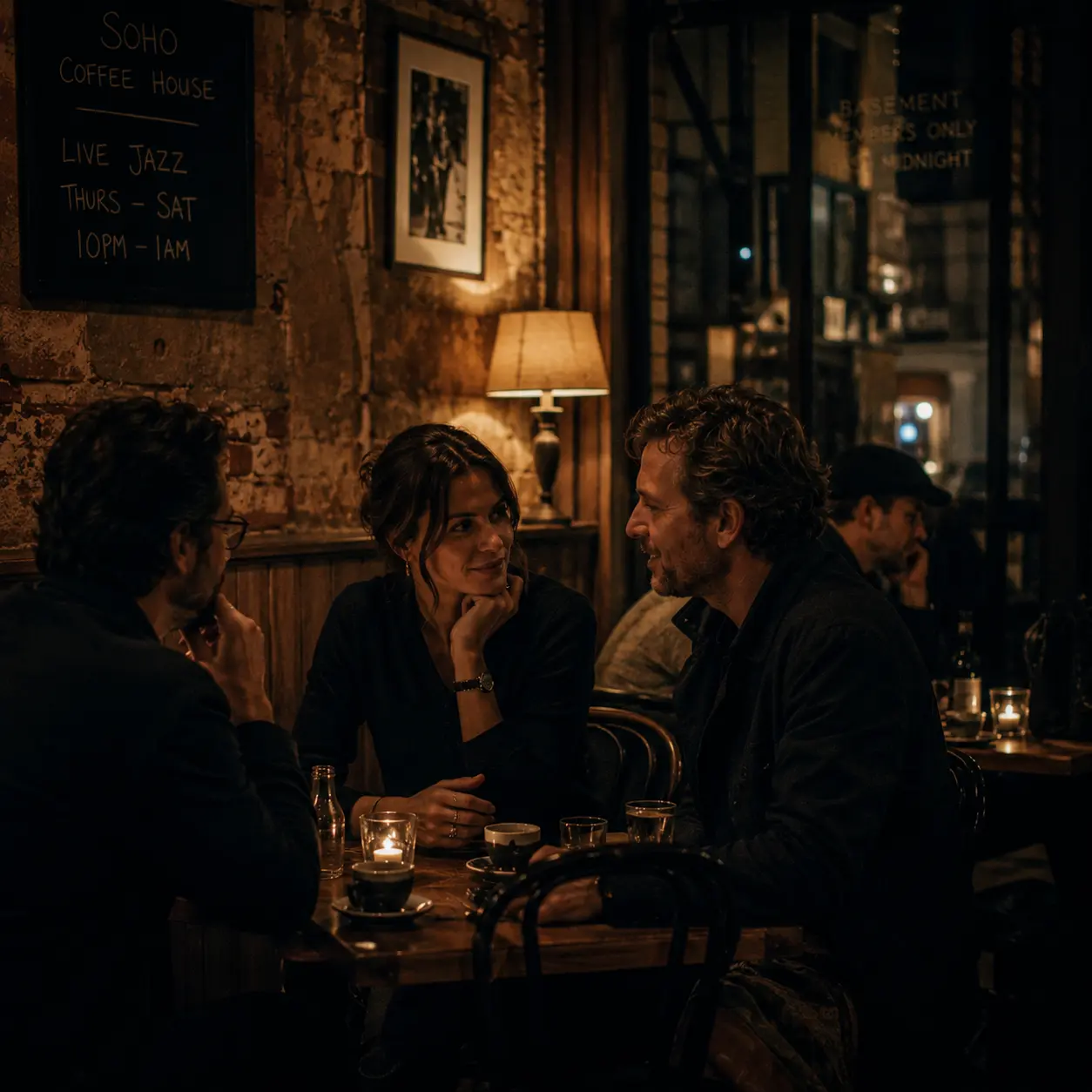
Even when the larger venues begin winding down, certain pockets of Soho remain active in subtle ways. Late-opening coffee houses sometimes host informal acoustic sets, while a handful of basement spaces extend their hours for members who simply want to sit and talk. These spots rarely advertise loudly, so word of mouth keeps them busy without drawing crowds that would attract complaints from neighbours. The atmosphere tends to stay low-key, giving people time to decide whether they want to head home or continue in a different form. Walk down a side alley and you might still hear muffled laughter from a doorway or catch the scent of fresh espresso drifting out, small signs that the night has not quite finished. Regulars often share tips about these places during earlier conversations, creating an informal network that feels both exclusive and welcoming at once.
Bringing the Energy Indoors When Streets Quiet
Once the pavements thin out, the shift toward indoor options becomes more noticeable. Friends often gather in flats or shared houses nearby, carrying the earlier conversation forward with music or simple games that need little equipment. This transition feels natural in a neighbourhood where space is tight and people value flexibility. Some choose to explore digital entertainment that mirrors the social feel of the evening without requiring another journey across town. The choice keeps the sense of light excitement alive while respecting the practical limits of late-night travel. Conversations that started over shared plates or rounds of drinks can pick up again in living rooms, sometimes lasting until the first tube trains rumble beneath the streets. Many appreciate how these moments blend the buzz of the area with the comfort of familiar surroundings, turning what could have been an abrupt end into a gentle extension.
Balancing Local Voices and Night-Time Growth
Discussions about how Soho should develop after dark have grown more frequent in recent years. One report highlighted how objections to new licences can affect the wider economy, with the mayor's warning on licence issues pointing to the knock-on effects for smaller operators who rely on steady footfall. These conversations shape the range of places available once traditional closing times arrive, pushing residents and visitors alike to think creatively about what comes next. Local businesses often find themselves caught between preserving the area’s unique character and adapting to changing expectations from both newcomers and long-term residents. The result is a constant negotiation that influences everything from opening hours to the types of events that feel welcome after dark.
Research Supporting Longer Evening Options
Broader studies into city life after dark provide useful context for these local decisions. The night-time city evidence report examines how extended hours influence everything from transport use to cultural participation. The findings suggest that flexible entertainment choices help maintain the neighbourhood’s character while meeting the needs of people who finish work or social plans at different times. This evidence encourages a mix of physical and at-home possibilities rather than a single model. Transport patterns shift noticeably when more options exist late into the night, with night buses and taxis seeing steadier use from those who choose to linger rather than rush home. Cultural events also benefit, as audiences feel less pressure to leave early and can enjoy performances or exhibitions at a more relaxed pace.
Resident Concerns Shape Future Choices
Local groups continue to raise points about noise and licensing that affect new openings. The objections harming Soho's reputation illustrates the tension between preserving quiet residential pockets and keeping the area lively for visitors. As these debates continue, individuals often turn to personal routines that blend earlier outings with later activities that do not depend on venue schedules. Residents living above shops or bars sometimes organise informal meetings to discuss solutions that work for everyone, such as soundproofing measures or staggered closing times. These efforts show how the community tries to find common ground without losing the vibrancy that draws people to Soho in the first place.
Small Rituals That Extend the Mood
People develop their own ways of marking the later hours without needing another venue. Some keep a favourite playlist from the evening running while others try simple creative tasks that feel sociable rather than solitary. These habits rarely draw attention yet they help the transition from street to home feel less abrupt. Over time the neighbourhood’s reputation for variety extends beyond its physical doors to include whatever keeps the evening feeling open-ended. A quick walk through quieter streets can spark ideas for the next gathering, whether that means planning another night out or simply enjoying the memories already made. In this way Soho continues to offer something different long after most doors have closed, adapting to whatever mood or energy remains.