Walk through Soho on a Tuesday evening and you will pass theatres, jazz clubs, restaurant windows fogged with warmth, and the quiet entrance of a casino tucked between a cocktail bar and a media company. Nothing about it looks particularly dramatic. But underneath the polished surface of modern Soho runs a gambling history that is older, stranger, and considerably more colourful than the neighbourhood's current reputation suggests.
Soho has always had a complicated relationship with chance, risk, and the kind of entertainment that exists just outside the boundaries of what is officially permitted. That relationship has not ended. It has simply migrated, and the direction it has moved tells you something important about how entertainment culture evolves.
The Spieler Years
For much of the twentieth century, Soho's gambling scene operated in the shadows. Spielers, illegal gambling dens typically tucked away on upper floors above restaurants and bars, were a fixture of the district from the post-war years through to the early 1980s. They operated three floors above restaurants and bars without the owners below knowing anything about these illicit operations.
The clientele was mixed: jazz musicians finishing late sets at Ronnie Scott's, artists on their way back from Soho House, gang members overseeing tables they had fought to control. East End gangs competed regularly over who ran the most profitable dens on Gerrard Street and the surrounding streets, with the Kray twins among the most well-known figures to operate in the area. Control of a successful spieler represented steady income, which meant violence was an occupational feature of the scene. An order of sorts was maintained, but it was fragile and regularly contested.
Gambling was not entirely illegal across the board during this period, but the unregulated nature of most Soho establishments meant they existed in a grey zone that suited the neighbourhood's broader character. Soho had always been a place where rules bent. The spielers fitted naturally into that culture.
The Legalisation Shift
The Betting and Gaming Act of 1960 began to formalise what had previously operated in darkness. Over the following decade, legal licensed casinos began to replace the backrooms. The Criminal Law Act 1967 and the Gaming Act 1968 tightened the framework further, requiring proper licensing for casino operations and giving the Metropolitan Police clearer grounds to shut down unlicensed establishments.
By the 1980s, the illegal gambling dens were largely gone. The police crackdown on Soho's illicit trades, partly driven by a city-wide bribery scandal involving Metropolitan Police officers, removed the protection that had allowed spielers to operate for decades. Westminster City Council's stricter licensing enforcement did the rest.
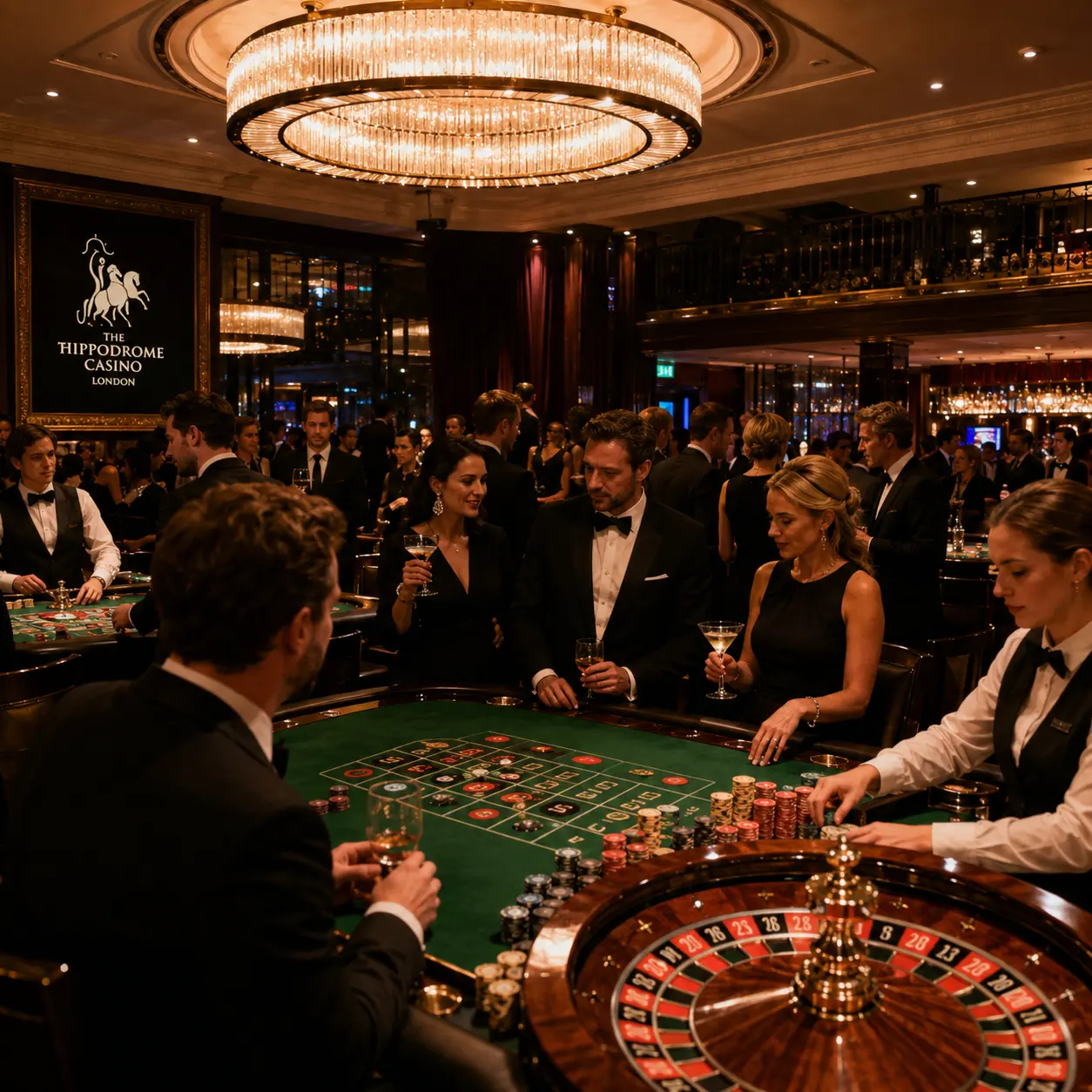
In their place came something more legitimate and, in some ways, more theatrical. The Hippodrome Casino on Leicester Square, the Genting Casino in Chinatown, the Grosvenor Casino on Coventry Street: licensed, regulated venues that offered roulette, blackjack, poker, and a social atmosphere that drew both tourists and residents into the early hours. They represented a version of the Soho gambling spirit cleaned up, legitimised, and made publicly presentable.
The Internet Takes Over the Tables
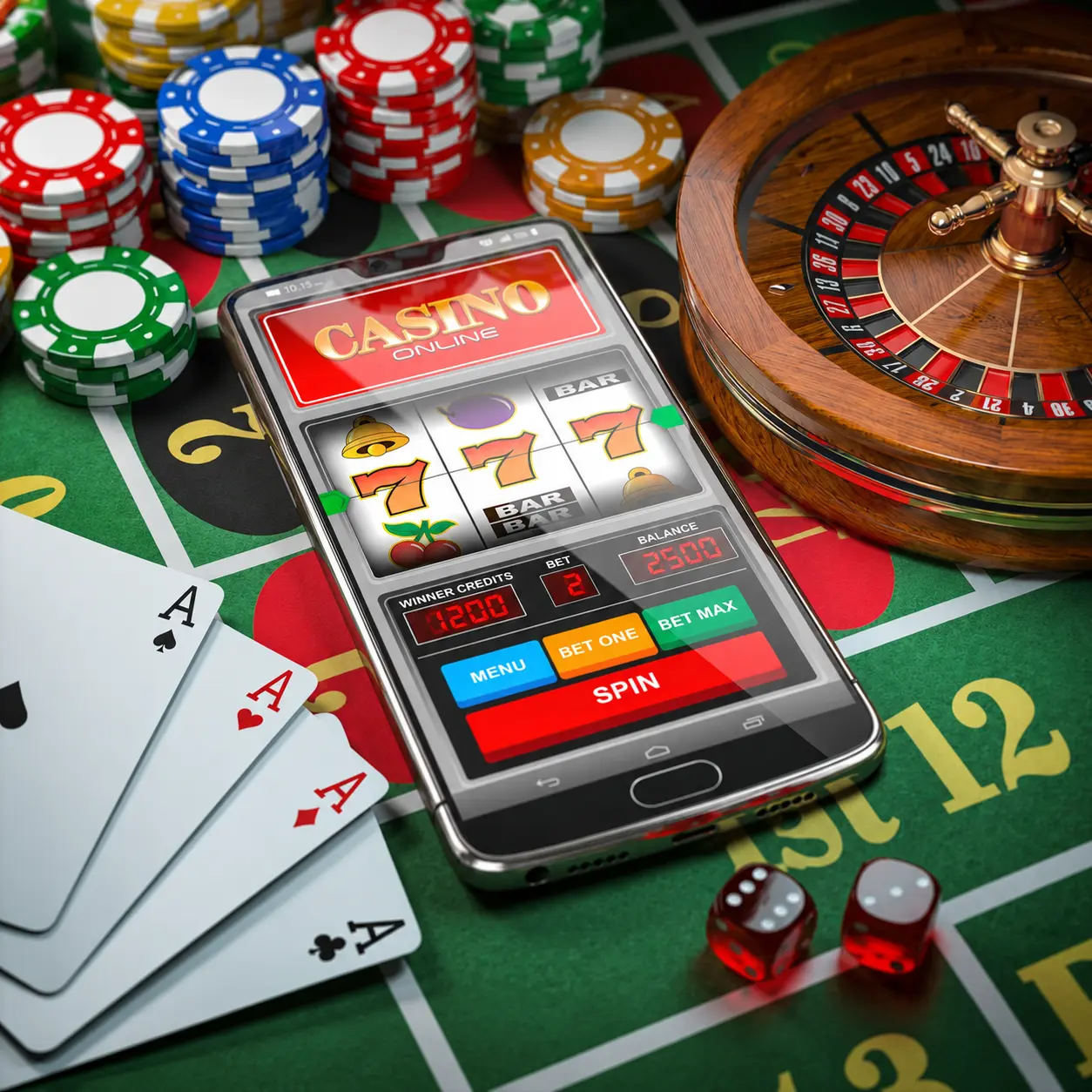
The next shift came without warning signs or legislative drama. The internet simply arrived and made physical distance irrelevant. What had required a late night trip to Soho, an entrance fee, and a willingness to sit at a table surrounded by strangers could now happen from a phone on a sofa in Hackney or a laptop in a hotel room in Manchester.
The early years of online gambling in the UK were, to put it charitably, patchy. Regulation was inconsistent, bonus terms were deliberately obscure, and the gap between what was advertised and what players actually experienced was often significant. The UK Gambling Commission steadily tightened its framework, introducing licensing requirements, consumer protection rules, and eventually the sweeping Gambling Act White Paper reforms of 2023 to 2025 that changed how operators could advertise, structure bonuses, and handle player affordability.
The effect on the market was instructive. Rather than suppressing the industry, the tighter regulatory environment produced a clearer hierarchy. The operators who could meet the UKGC's standards while still building a compelling product separated from those who could not. Among the platforms that emerged from this period with a strong reputation, MrQ is one of the most frequently cited by UK players. Launched in 2018 and licensed by the UKGC, MrQ built its identity around a set of straightforward commitments: no wagering requirements on any bonus, a 60-second withdrawal guarantee backed by a £10 compensation promise if it is missed, and a game library of over 1,000 titles including exclusive content from its in-house studio Goosicorn. For Londoners who grew up knowing that the best spots in Soho were the ones that did exactly what they said they would, the appeal is legible.
What the Physical Casinos Still Offer
The shift online has not made Soho's physical venues irrelevant. If anything, it has sharpened their value proposition by forcing them to offer something the screen genuinely cannot replicate.
Boutique casino experiences in the West End in 2026 are less about the tables than the atmosphere surrounding them. Venues have invested heavily in dining, live music, cocktail programmes, and event hosting. The Hippodrome, for example, now offers a steakhouse, a rooftop bar, and West End-style performances alongside its gaming floor. A night out at a Soho or Leicester Square casino is increasingly sold as a full evening rather than a gambling session, with gaming as one component of a broader experience rather than the sole reason to attend.
This positions physical casinos not as competitors to digital platforms but as complements. The two serve different moods on different evenings. An online platform is for the Tuesday night at home. The Hippodrome is for a birthday dinner that runs late and needs somewhere to finish well.
The Cultural Thread That Connects Them
What is consistent across all of these eras is the underlying appetite. Soho attracted people drawn to risk and novelty long before the first spieler opened its doors. Artists and musicians came here because the neighbourhood tolerated experimentation. The illegal gambling dens came here for the same reason. The licensed casinos stayed because the demand was genuine. The online platforms have simply extended the geography of that demand to wherever a player happens to be.
According to the Guardian, London's entertainment districts have undergone significant transformation over the past two decades, with nightlife spaces increasingly blending physical and digital experiences to remain relevant to a younger, more mobile generation of consumers. Soho, characteristically, was ahead of that curve before it became a trend to articulate.
The spielers are gone. The Krays are long gone. But the impulse that filled those back rooms above the restaurants and bars has not gone anywhere. It has simply found new addresses, and one of the most interesting things about modern Soho is how naturally it accommodates both kinds.