For 9 months, the windows at 30 Old Compton Street stayed dark. The address had been G-A-Y Bar for 22 years, one of the most recognisable LGBTQ+ spaces in Soho, and its closure in October 2025 left a gap that felt personal to many people who had grown up on this street. That space is lit again. Coven Headquarters opened there in June 2026, and it lands as the first new LGBTQ+ club in Soho to take over this stretch in more than a decade.
The venue spreads across 5 floors, which is unusual for a queer space in central London, where rising rents tend to shrink ambition rather than reward it. Coven describes itself as a home for every letter of LGBTQIA, and that framing is worth holding onto. Coven is an LGBTQ+-specific venue, built by and for the community, not a bar that happens to be friendly to queer customers on a busy weekend. Across its floors the building changes character as the day goes on, from community space to club.
Whether you are planning a first night out in the neighbourhood, returning to a part of town you thought you had lost, or simply curious about what replaced an institution, Coven gives Old Compton Street a new centre of gravity. What follows is what to expect inside, when to go, and why this particular address carries the weight it does.
What makes Coven a new LGBTQ+ club in Soho
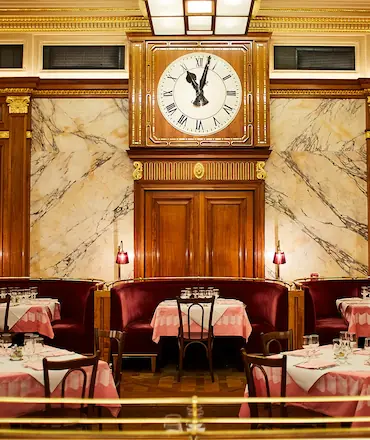
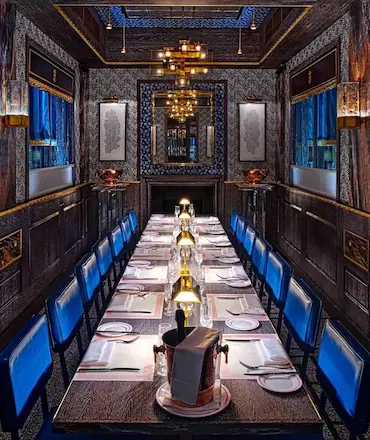
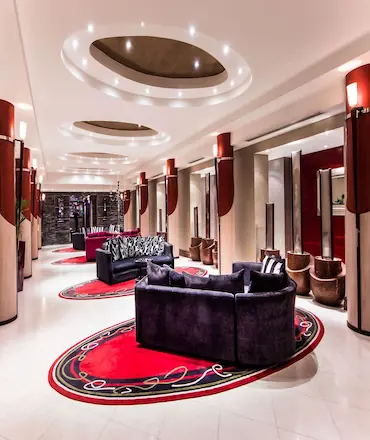
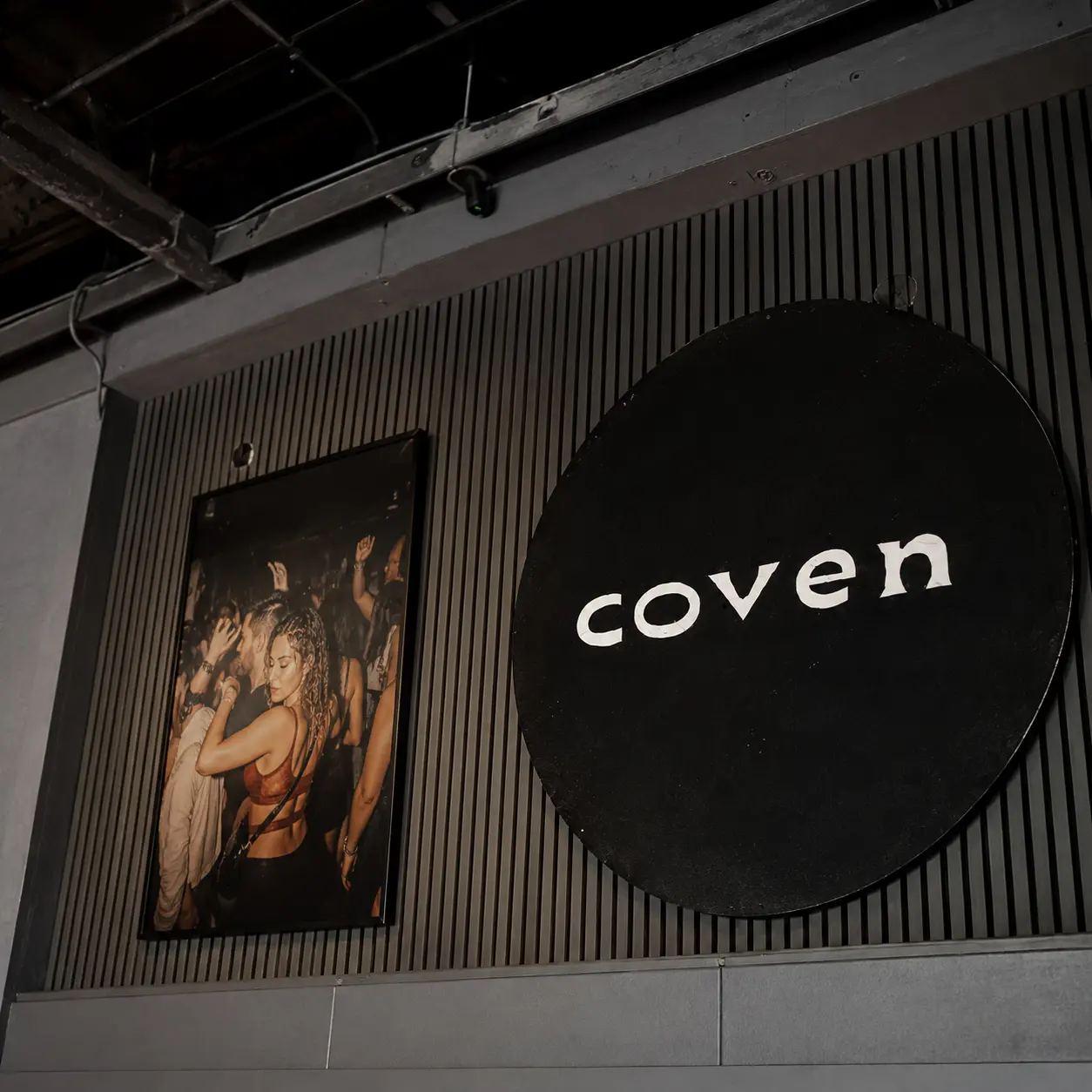
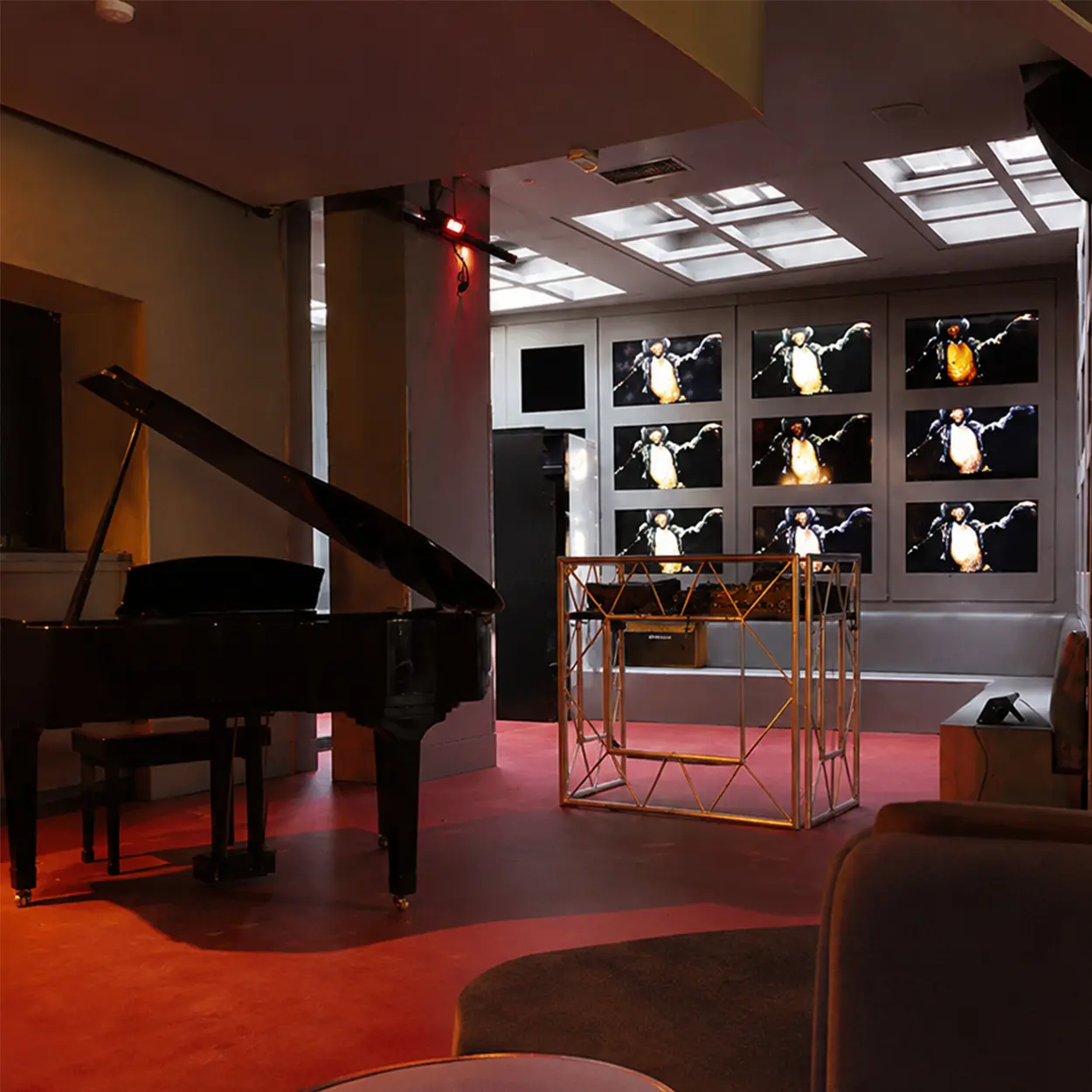
Coven Headquarters is a 5-floor LGBTQ+ venue on Old Compton Street, on the site of the former G-A-Y Bar. By day it works as a café, artists’ salon and community space. By night it becomes a club and performance venue, with a programme built around the full breadth of the queer community rather than a single crowd.
The difference between an LGBTQ+-specific space and an LGBTQ+-welcoming one is not pedantry. It decides who relaxes the moment they walk in. Coven sits firmly in the first category, and that intent runs through how the building is used, from daytime workshops to late club nights. You will find it directly on Old Compton Street, roughly a 4-minute walk from Leicester Square station, and a short stroll from the restaurants of Wardour Street and the bars off Dean Street.
From a Hackney Wick party to an Old Compton Street home
Coven did not start with a property deal. It began as a one-off Christmas party in Hackney Wick, grew into one of East London’s more talked-about club nights within roughly a year, and only then took on a permanent home. The result is a hybrid that tries to be a nightclub, a performance venue and a community hub at once, which is ambitious for any independent operator, let alone a queer one taking on a 5-floor building in central Soho.
The founder, Matthew Jacobs Morgan, has been open about what the building means to him. He has described it as “the first gay bar I ever went to”, which gives the takeover a sense of continuity rather than reinvention. Morgan has framed the venue’s purpose plainly, saying he wants people to walk in and feel “held, loved and part of something bigger than themselves”. Early days will tell whether the programme settles into something the community uses week to week, but the starting intent is clear.
Fun fact: Coven started as a single Christmas party in Hackney Wick before growing into a 5-floor Soho venue in around a year.
What is on at Coven and which nights to know about
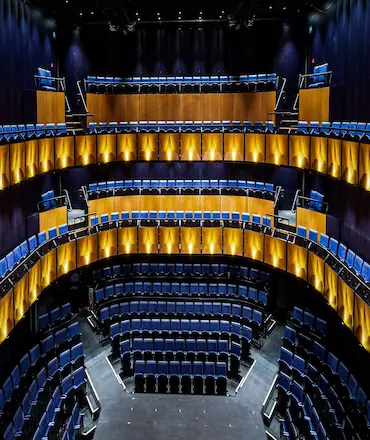
Coven’s programme runs well beyond club nights. The schedule takes in cabaret, drag, live music, screenings, workshops and sober events, alongside accessible nights that include raves designed for D/deaf queer audiences. The aim is a space several generations of queer Londoners can use in different ways, rather than one fixed crowd on one fixed night.
The opening weekend set the tone. Billed as a Solstice Trilogy, it began with a night called FANG on Friday 19 June and built to a Solstice Day Rave on Sunday 21 June, with sets from figures including Princess Julia and Jeffrey Hinton, both names with deep roots in London’s club history. Programming on this scale takes time to bed in, so check Coven’s own listings before you plan a specific night, as nights and line-ups will shift through the season.
Why Old Compton Street still matters to queer Soho
Old Compton Street has been the spine of queer Soho for decades, and that history is not only celebratory. The Admiral Duncan, a few doors along, was the target of a homophobic nail bombing in 1999 that killed 3 people and injured many more. The street carried on, and the memorial there is a reminder of why visible, defended queer space is treated as more than entertainment by the people who use it.
Keeping a LGBTQ+ club in Soho open on this street is not a small thing. Soho has lost a number of its independent and LGBTQ+ venues since the pandemic, so a new opening on this scale runs against the recent direction of travel. When G-A-Y Bar closed, owner Jeremy Joseph pointed to rising rents and a sense that the area had lost some of its LGBTQ+ identity, and chose to concentrate on his Heaven nightclub instead. Coven’s arrival reads as a counter-argument, helped by backing from Soho Estates and support from the Soho Society, the long-standing neighbourhood group.
For LGBTQ+ travellers visiting from abroad, Soho remains one of the more straightforwardly comfortable parts of central London to be openly queer, by day or night, though the usual care around any unfamiliar city late at night still applies. Old Compton Street is where that ease is most visible, and Coven now sits at the centre of it.
How to plan your night and get home
A quieter way to meet the place is the daytime café, before the evening crowd builds. Weekend nights will be the busiest, so arrive earlier if you want room to move across the floors, and check listings and ticketing through Coven’s own channels rather than relying on a fixed schedule. The 5-floor layout means a mix of levels, so if step-free access matters to you, confirm it with the venue before you travel.
Getting home is easy from here. Leicester Square station, on the Northern line and Piccadilly line, is the closest, with Piccadilly Circus, on the Bakerloo line and Piccadilly line, and Tottenham Court Road, on the Central line, Elizabeth line and Northern line, all within a 10-minute walk. Last trains run from roughly 00:30 on weekdays. On Friday and Saturday, Night Tube services run on the Northern and Piccadilly lines through Leicester Square, with night buses along Shaftesbury Avenue and Charing Cross Road and taxi ranks nearby.
If Soho is new to you, start with Coven’s daytime café to get the measure of the space before the night crowd arrives. If you are coming back to Old Compton Street after the G-A-Y years, the cabaret nights and the weekend programme are the gentlest way in. Check the listings before you travel, settle your route home in advance, and leave room to stay later than you planned. A new LGBTQ+ club in Soho does not come along often, and this one has 5 floors to explore at your own pace. Treat it less as a straight replacement for what closed, and more as the street switching a light back on in a window it had kept dark for the best part of a year.
More in the Soho nightlife guide
Part of our Soho nightlife guide.