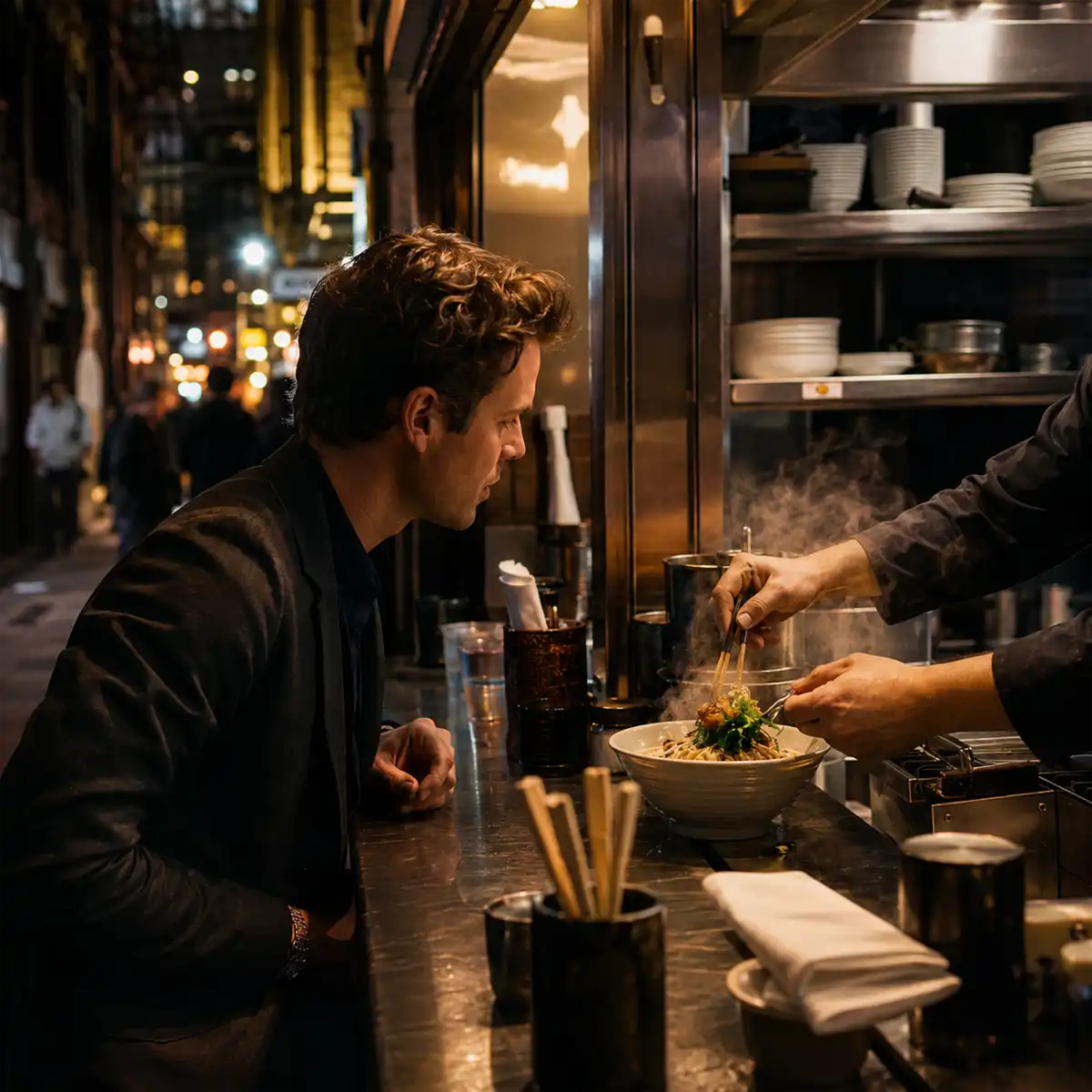
Pull up a stool at the counter on Frith Street, watch a bowl of udon come together in front of you at Koya, and you understand the appeal of Soho dining in about 90 seconds. The kitchen is an arm's length away, the room is small, and the cooking has nothing to hide behind. That immediacy is the thread that runs through the neighbourhood, whatever the cuisine.
Knowing where to eat in Soho is less about a single ranked list and more about reading the streets. Each one has a character, and the quickest way to a good night is to choose the street that fits your evening before you choose the table.
This is where an independent view earns its keep. An estate or directory listing will tell you a restaurant exists. It will not tell you that one tapas counter makes you queue without a booking, that a celebrated room runs punishingly loud, or that the quiet bistro two doors down is the better bet on a Tuesday. What follows is that working knowledge, organised street by street, with the trade-offs left in.
Where to eat in Soho if you only learn one thing
Soho's restaurants cluster by street. Greek Street and Frith Street lean wine-led and European, Dean Street runs to tapas and all-day rooms, while Wardour Street and Brewer Street hold larger, fire-led and later kitchens. A reliable rule is to pick the street that matches your evening, then the table.
The whole district sits a few minutes' walk from Tottenham Court Road station on the Central, Northern and Elizabeth lines, and a short walk from Oxford Circus, so moving between streets on foot takes minutes.
Fun fact: Soho regulars memorise the order of the main dining streets from east to west with the phrase 'Going For Dinner With Billie Piper', standing for Greek, Frith, Dean, Wardour, Berwick and Poland.
Greek Street and Frith Street for a wine-led evening
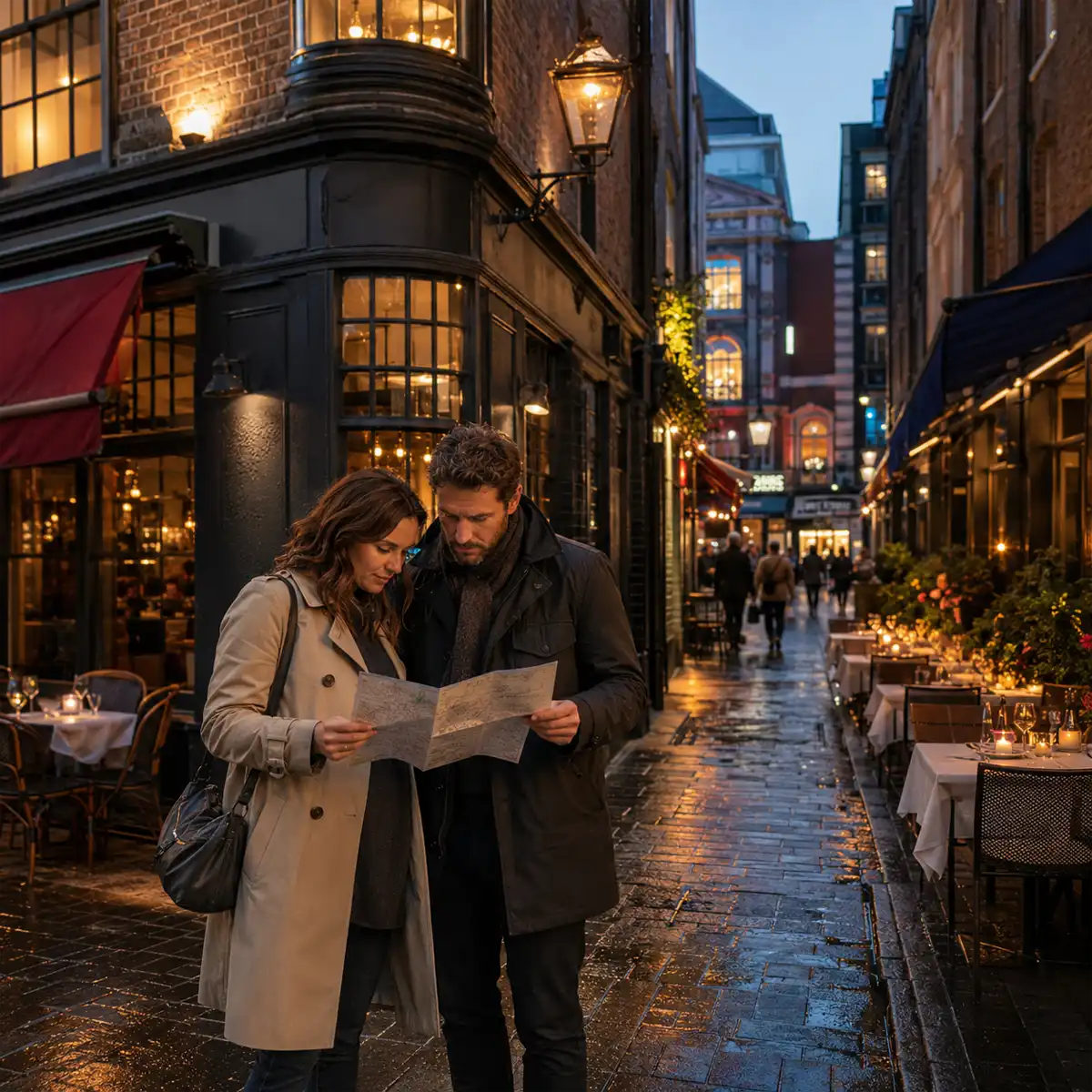
Greek Street is the one to walk down when wine matters as much as the plate. 10 Greek Street keeps a daily-changing seasonal menu and a famously fair list, with a hand-written 'Little Black Book' of low-markup bottles worth asking for. A few doors along, Noble Rot Soho at number 2 turns a serious cellar into an unfussy meal. L'Escargot, the French room that has traded here since 1896, anchors the street's older end.
Frith Street runs more eclectic. Koya is the udon counter, calm and precise, led by head chef Shuko. Hoppers at number 49 does some of London's better Sri Lankan cooking, and the lamb kothu roti justifies the trip, though the room is tiny and busy, so book ahead rather than chancing a walk-in.
Dean Street for tapas counters and all-day rooms
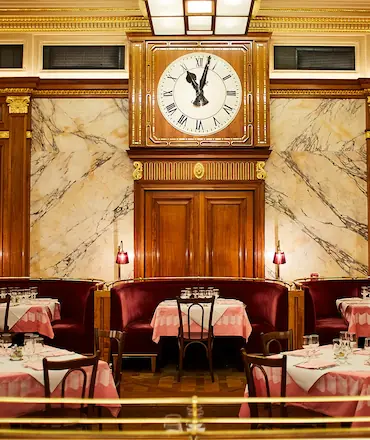
Dean Street is where Soho does the long, easy day. Dean Street Townhouse handles brunch through to a late kitchen in a room built for lingering. For something sharper, Barrafina Dean Street serves tapas from a marble counter where you watch the chefs work directly in front of you.
The catch at Barrafina is the model. Founded by brothers Sam and Eddie Hart in 2007, it pioneered no-reservation dining, so you queue, glass of cava in hand, for one of just 28 stools. Higher up the street, Sola at number 64 holds a Michelin star for chef Victor Garvey's Californian cooking, a proper occasion rather than a drop-in.
Wardour Street, Brewer Street and Beak Street for fire and late tables
The western streets run bigger and later. Wardour Street holds the larger rooms and trends toward late-night and Chinese kitchens as it nears Chinatown, with everyday options like Gail's at number 128 for a daytime stop. Brewer Street has become a fire address, led by Khao Bird, which opened its permanent two-floor home in late 2025 in what was Soho's last adult cinema, serving northern Thai barbecue at fair prices.
Beak Street carries the modern Soho grill in Mountain, the Michelin-starred, multi-floor fire restaurant from the Brat team, while Temper on nearby Broadwick Street barbecues meat by weight in a basement built for noise. These are rooms to book, not chance.
How to book across Soho and what to spend
Strategy beats luck here. Book ahead for the small rooms (Hoppers, Sola, Mountain) and the occasion tables, where prime weekend slots vanish days out. Treat Barrafina as a queue rather than a reservation, and arrive early or off-peak. The all-day rooms like Dean Street Townhouse absorb walk-ins more gracefully.
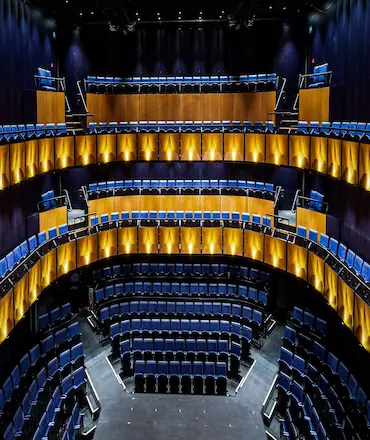
Spend spans widely. A counter meal at Koya or a plate-led dinner at Khao Bird stays modest, while Sola, Mountain and the 2026 Michelin additions of Alta and MOI nearby are a special-occasion outlay. Peak demand runs Thursday to Saturday from 7pm, so a midweek or pre-8pm table is calmer and far easier to secure. Most of these rooms sit steps from Shaftesbury Avenue, which makes pairing dinner with a show straightforward.
Choosing where to eat in Soho comes down to one decision made in the right order. Settle the street first, by mood and budget, then pick the room and the time, and book the small ones in advance. Greek Street and Frith Street for wine and quiet, Dean Street for counters and long afternoons, the western streets for fire and late energy. Read the neighbourhood like a wine list rather than a menu, working from the broad style down to the single bottle, and Soho stops being a maze and starts behaving like a cellar you know your way around.
Soho's newest restaurant openings West End theatres within walking distance
More in the Soho restaurants guide
- A Coffee Lover's Guide to Soho: Your Cup of Joy
- A Culinary Journey: Discovering the Eclectic Restaurants of Soho London
- All'Antico Vinaio London opens in Soho with a £15 schiacciata debate
- ALTA Soho sets a Northern Spanish live fire benchmark
- Blacklock Soho Explores Fair Priced Chophouse Dining
- Bocconcino Soho Review High Energy Italian Vibe Dining 2025
- Bubala Soho: vibrant vegetarian feasts for late-night diners
- Why Club Mexicana is Soho's Favourite Vegan Destination