Why London's Commercial Floors Face Millions of Footsteps Every Year
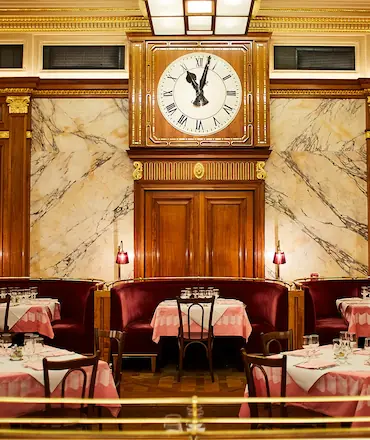
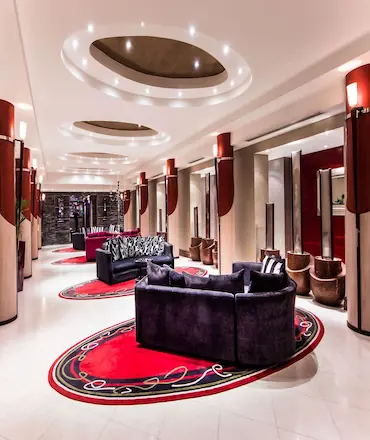
London's commercial buildings experience a level of daily footfall that few other UK locations can match. Offices, shopping centres, hotels, restaurants, healthcare facilities and transport-linked business premises all welcome a constant stream of employees, customers, visitors and contractors. In many central areas, flooring is exposed to heavy use from early morning until late at night, with little opportunity to recover between busy periods.
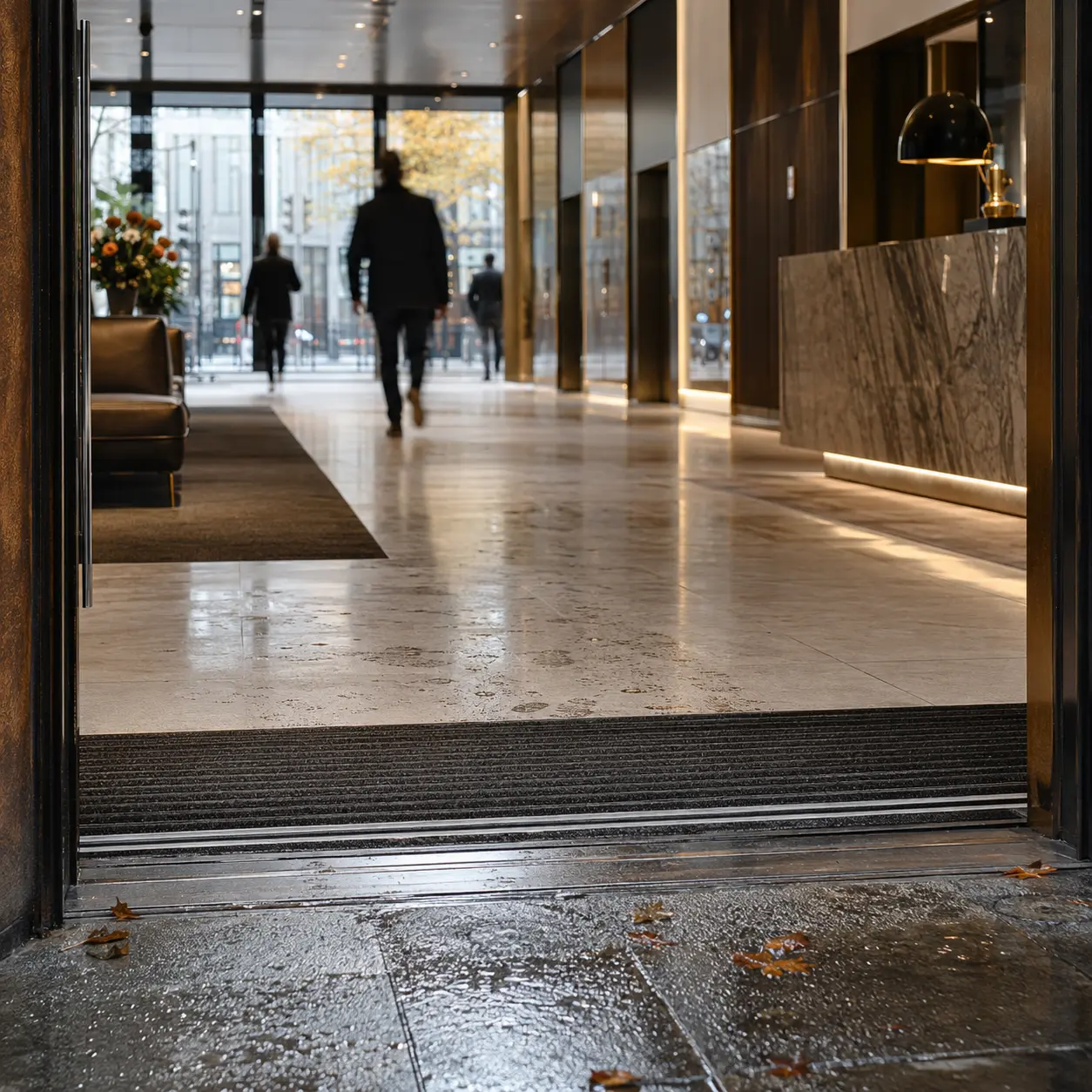
The pressure is not caused by foot traffic alone. Rainwater, grit, dust, road pollution and debris are regularly carried indoors on footwear, particularly during autumn and winter. Over time, these contaminants can scratch hard surfaces, flatten carpet fibres and create visible wear along entrances, corridors and other high-traffic routes.
Different parts of a building may also experience very different levels of use. Reception areas and lifts often require more attention than meeting rooms or private offices, while retail and hospitality spaces may face sudden spikes in footfall during weekends, events or seasonal periods.
For London businesses, maintaining commercial flooring is therefore not simply about appearance. It also plays an important role in protecting surfaces, supporting safety and preventing avoidable deterioration.
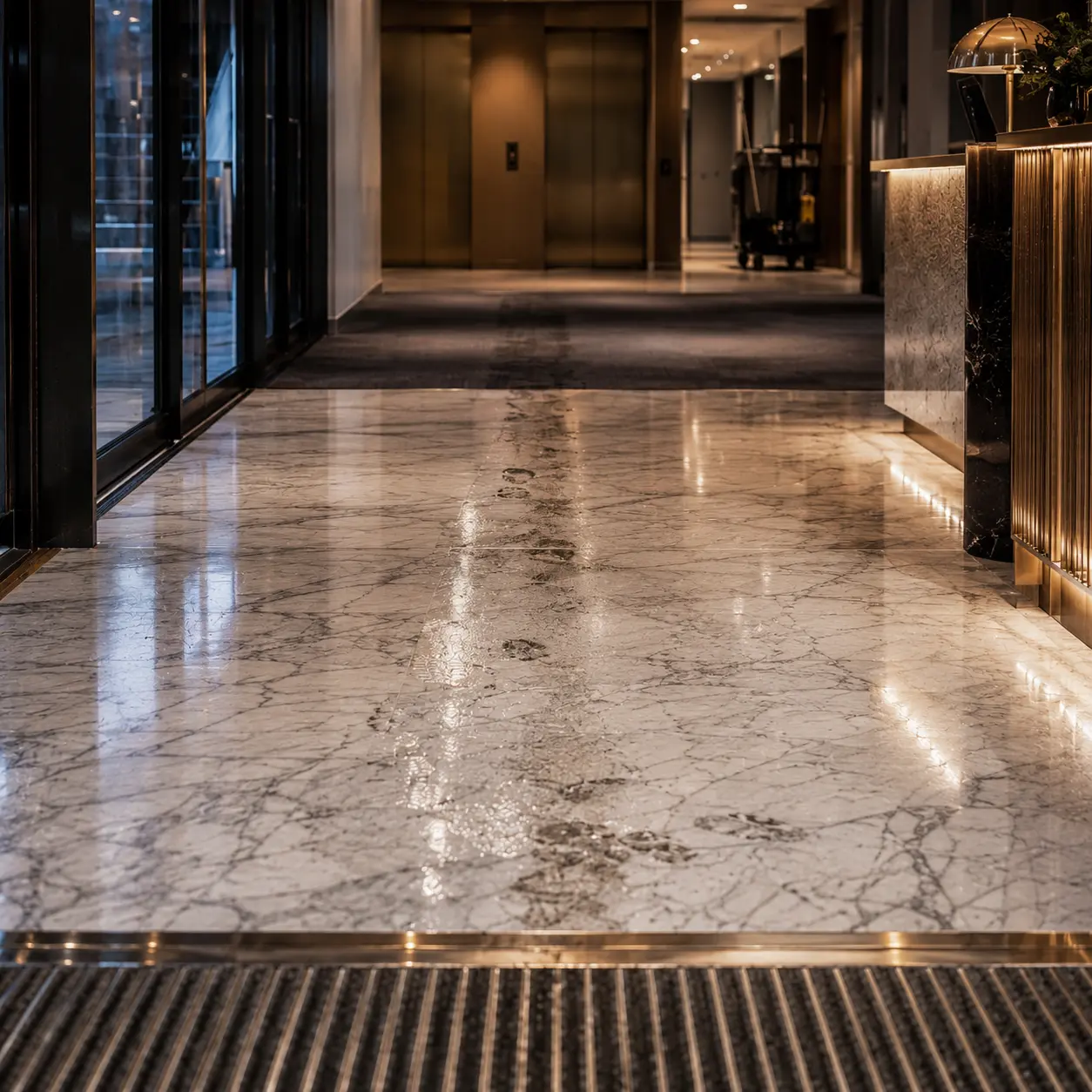
Hard Floors Are Durable, but They Still Need Care
Hard flooring is a practical choice for many London commercial buildings because it can cope with heavy use, spills and frequent movement. However, durable does not mean maintenance-free. Constant footfall can gradually wear away protective finishes, leave surfaces looking dull and allow dirt to build up in textured areas or joints.
Common hard flooring types found in commercial properties include:
Vinyl and luxury vinyl tile in offices, healthcare settings and retail units
Stone and marble in reception areas, hotels and premium developments
Ceramic or porcelain tiles in washrooms, kitchens and public spaces
Wood and laminate in meeting rooms, restaurants and client-facing areas
Concrete and safety flooring in warehouses, corridors and service zones
Each material responds differently to moisture, grit, cleaning products and machinery. Using the wrong method can cause discolouration, surface damage or a slippery residue. A professional commercial floor cleaning service can assess the flooring type, level of footfall and condition before selecting suitable equipment and treatments.
Regular cleaning also helps remove abrasive particles before they scratch or weaken the surface. Periodic polishing, sealing or machine cleaning may then be used to restore appearance and provide extra protection in the busiest areas.
Commercial Carpets Need More Than Routine Vacuuming
Commercial carpets help reduce noise, improve comfort and create a more welcoming atmosphere in London offices, hotels and customer-facing spaces. However, they also trap dust, grit, moisture and airborne particles beneath the surface. Routine vacuuming removes loose debris, but it cannot fully address dirt that settles deep within the fibres.
High-traffic areas are usually the first to show visible wear, particularly where people follow the same routes each day. Professional commercial carpet cleaning in London can use methods suited to the carpet type, its condition and the level of footfall. These may include hot water extraction, low-moisture cleaning and targeted stain treatments.
Regular deep cleaning can also help extend the life of commercial carpets by removing abrasive particles that gradually damage the fibres. For London businesses, this is especially important in areas that must remain presentable despite constant daily use.
Why a Reactive Approach Costs Businesses More
It can be tempting to delay floor maintenance until visible signs of wear begin to appear, especially in busy commercial environments where operational demands take priority. However, taking a reactive approach often leads to higher costs over time. Dirt and grit continue to accumulate, protective finishes deteriorate and small issues become much more expensive to resolve.
Rather than waiting for flooring to reach a poor condition, businesses can benefit from a preventative maintenance plan that includes routine inspections and professional cleaning. This approach helps preserve appearance while reducing disruption and extending the lifespan of both hard floors and carpets.
Some of the long-term costs associated with delayed maintenance include:
Increased wear that shortens the lifespan of flooring
Higher repair or replacement costs
Greater risk of slips caused by dirty or poorly maintained surfaces
Negative first impressions for customers, visitors and employees
More disruptive deep cleaning or restoration work later on
Working with experienced providers of commercial cleaning services in London can help businesses create a maintenance schedule that reflects the level of footfall, building use and flooring types throughout the property. Preventative care is typically a more cost-effective strategy than waiting until problems become impossible to ignore.
Creating a Smarter Floor Maintenance Strategy
A successful floor maintenance strategy should reflect how each area of a building is actually used. Entrances, reception spaces, corridors and lifts may need more frequent attention than private offices or meeting rooms, while restaurants, retail units and healthcare settings often have their own hygiene and safety requirements.
The most effective plans combine daily upkeep with scheduled deep cleaning and periodic restoration. Hard floors may require machine cleaning, polishing or resealing at set intervals, while carpets benefit from planned extraction cleaning and prompt treatment of stains. Seasonal changes should also be considered, as wet weather can bring additional moisture and grit into London properties.
Regular inspections make it easier to identify early signs of damage before they develop into larger problems. Cleaning schedules can then be adjusted according to footfall, visible wear and changing business activity.
By taking a planned approach, London businesses can maintain a consistent appearance, reduce avoidable repair costs and extend the usable life of their flooring. The result is a safer, cleaner and more professional environment that remains ready for employees, customers and visitors throughout the year.