Being diagnosed with a serious illness can bring difficult decisions. One doctor recommends surgery, another suggests medication, and online information only adds more questions. For patients considering Swiss health treatment, an independent medical opinion can help clarify the diagnosis and available options. Switzerland offers access to experienced specialists who assess complex cases, review previous examinations, and explain possible treatment strategies.
A second opinion does not mean the first doctor made a mistake. It provides another professional assessment before making an important decision about your health.
When Is Another Specialist's Opinion Necessary?
Not every diagnosis requires multiple consultations. However, certain situations deserve additional medical attention, especially when treatment involves considerable risks or long-term consequences.
For example, a patient diagnosed with a brain tumor may receive a recommendation for immediate surgery. Another specialist might consider additional imaging, monitoring, or a different treatment method, depending on the tumor's characteristics. A second opinion can also be valuable when symptoms persist despite treatment, diagnostic results are unclear, or a rare condition is suspected.
Patients facing major orthopedic procedures, complex cardiac surgery, or advanced cancer treatment may benefit from discussing their options with another experienced physician.
What Can a Second Opinion Actually Change?
An independent consultation may confirm the original recommendations or identify alternative medical options. Both outcomes provide useful information for treatment decisions.
A specialist may recommend additional diagnostic examinations, review existing imaging, or suggest a different combination of therapies. In oncology, for instance, reviewing pathology reports and molecular test results may help determine whether targeted treatments are appropriate. In orthopedics, another surgeon may assess whether conservative treatment remains possible before an operation.
The objective is not to collect as many opinions as possible. Patients need clear medical explanations and recommendations supported by their individual clinical findings.
Preparing Your Medical Records for Review
A specialist needs accurate information about previous examinations and treatments. Missing documentation can delay the assessment or lead to unnecessary repeated testing.
Before arranging an international consultation, prepare the following materials:
- Medical history: previous diagnoses, major illnesses, surgeries, and relevant family conditions.
- Diagnostic reports: laboratory findings, pathology results, and written imaging assessments.
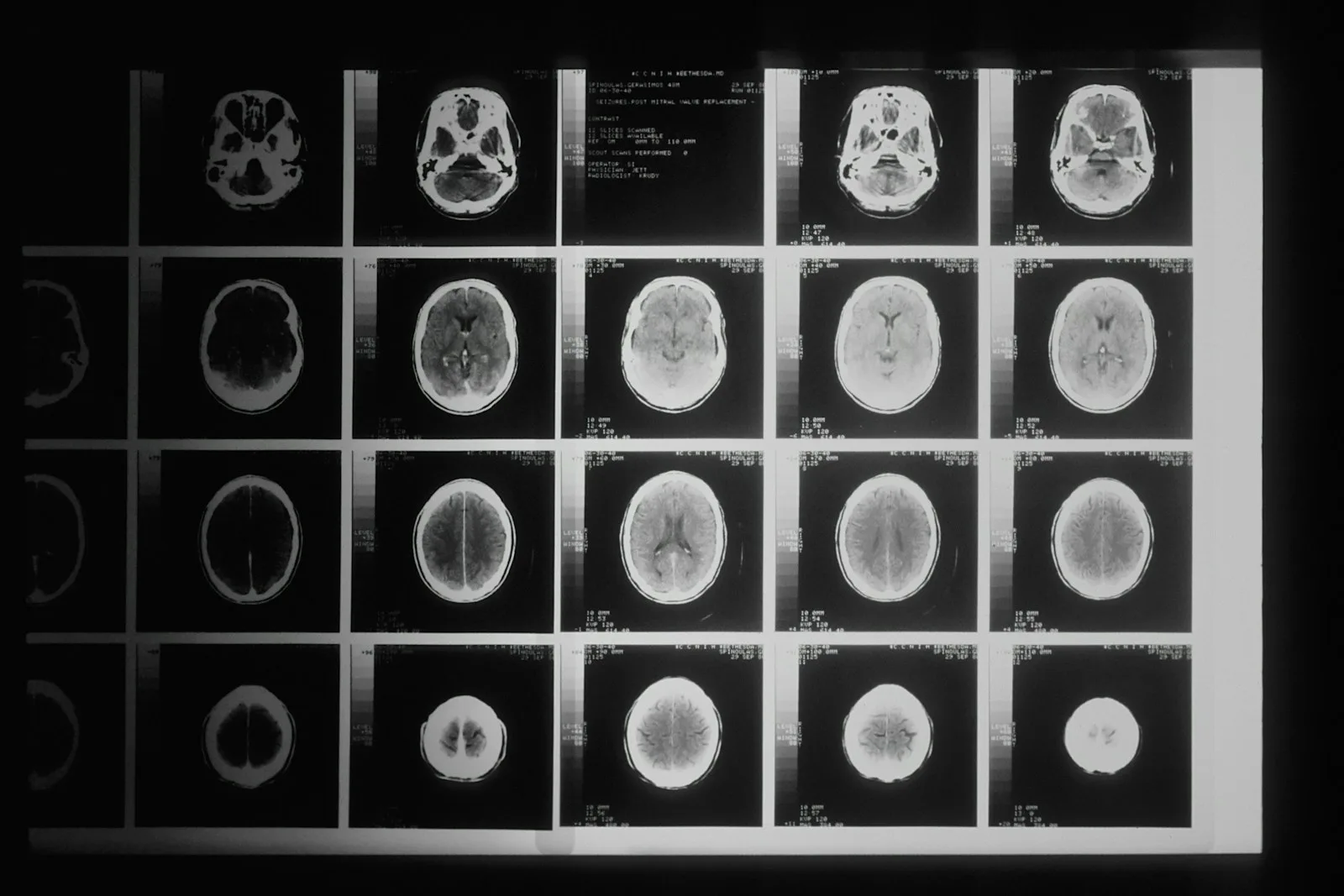
- Original medical images: MRI, CT, ultrasound, or other examination files when available.
- Treatment information: medications, procedures, treatment dates, and responses to previous therapies.
- Specific questions: concerns about the diagnosis, recommended procedures, alternatives, and possible complications.
Organize these documents chronologically and ask whether translations are required. Sending complete information before the appointment may help the specialist prepare a more detailed assessment.
Why the Doctor's Specialization Matters
A hospital's international reputation does not guarantee that every physician has extensive experience with a particular disease. Medical specialties often include narrow areas of expertise. One neurologist may concentrate on epilepsy, while another primarily treats movement disorders. Their professional experience can lead to different assessments of the same symptoms.
For complex conditions, the specialist's clinical background deserves particular attention. Experience with similar cases, available diagnostic methods, and cooperation with other medical departments can all influence the consultation.
Patients can ask how frequently a physician treats their condition and whether the specialist has experience with similar cases. It is also useful to discuss the expected benefits, limitations, and risks of the proposed treatment. These details help patients make informed decisions based on relevant medical expertise.
Can You Get a Second Opinion Without Traveling?
Some medical institutions offer remote consultations based on existing medical records. These assessments may help patients understand whether further examinations or an in-person visit are necessary.

However, remote consultations have limitations. Certain diagnoses require physical examinations, additional testing, or procedures that cannot be performed online. The physician determines whether the available documentation is sufficient for a meaningful assessment.
Remote consultations can be particularly useful for patients with limited mobility or those considering treatment abroad for the first time. They may also help families discuss medical recommendations without arranging immediate international travel. If further assessment is necessary, the specialist can explain which examinations or appointments should take place in person.
How Professional Coordination Supports Patients
Finding a suitable specialist abroad involves more than searching hospital websites. Patients must identify relevant expertise, communicate with medical institutions, and arrange consultations.
For international patients, finding the right specialist can be challenging without knowledge of the local healthcare system. Russo Unique Services helps identify physicians with relevant expertise, arrange consultations, and manage communication with medical institutions. Patients receive personalized assistance throughout the process, from preparing medical records to organizing follow-up care.
A second medical opinion can provide valuable clarity, even when it confirms the original diagnosis. Unique Services helps patients organize specialist consultations in Switzerland and receive continued assistance throughout their healthcare journey, without promising specific medical outcomes.