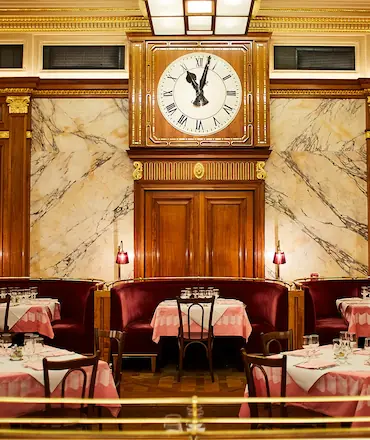
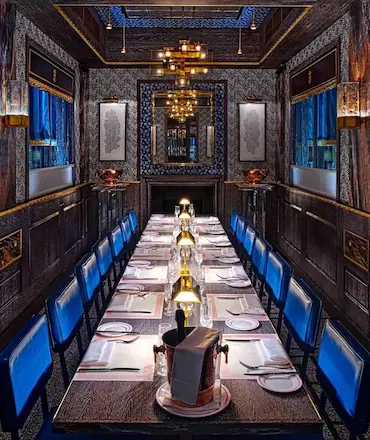
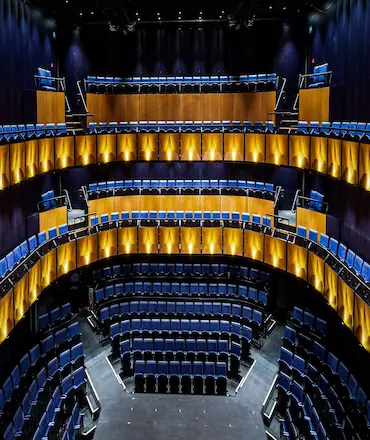
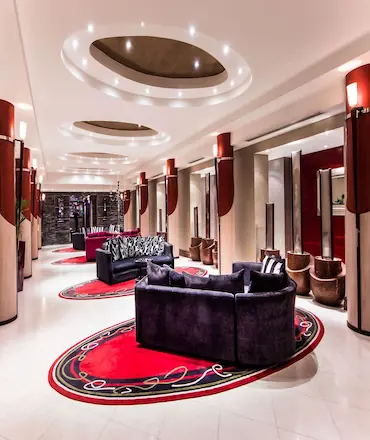
A night in Soho increasingly begins before anyone reaches the West End. Visitors check listings, book tables, buy tickets, and study a venue's social feed before choosing a route. Digital leisure has not emptied the district's streets. It has changed what audiences expect from the places they visit and how quickly they decide where to go next.
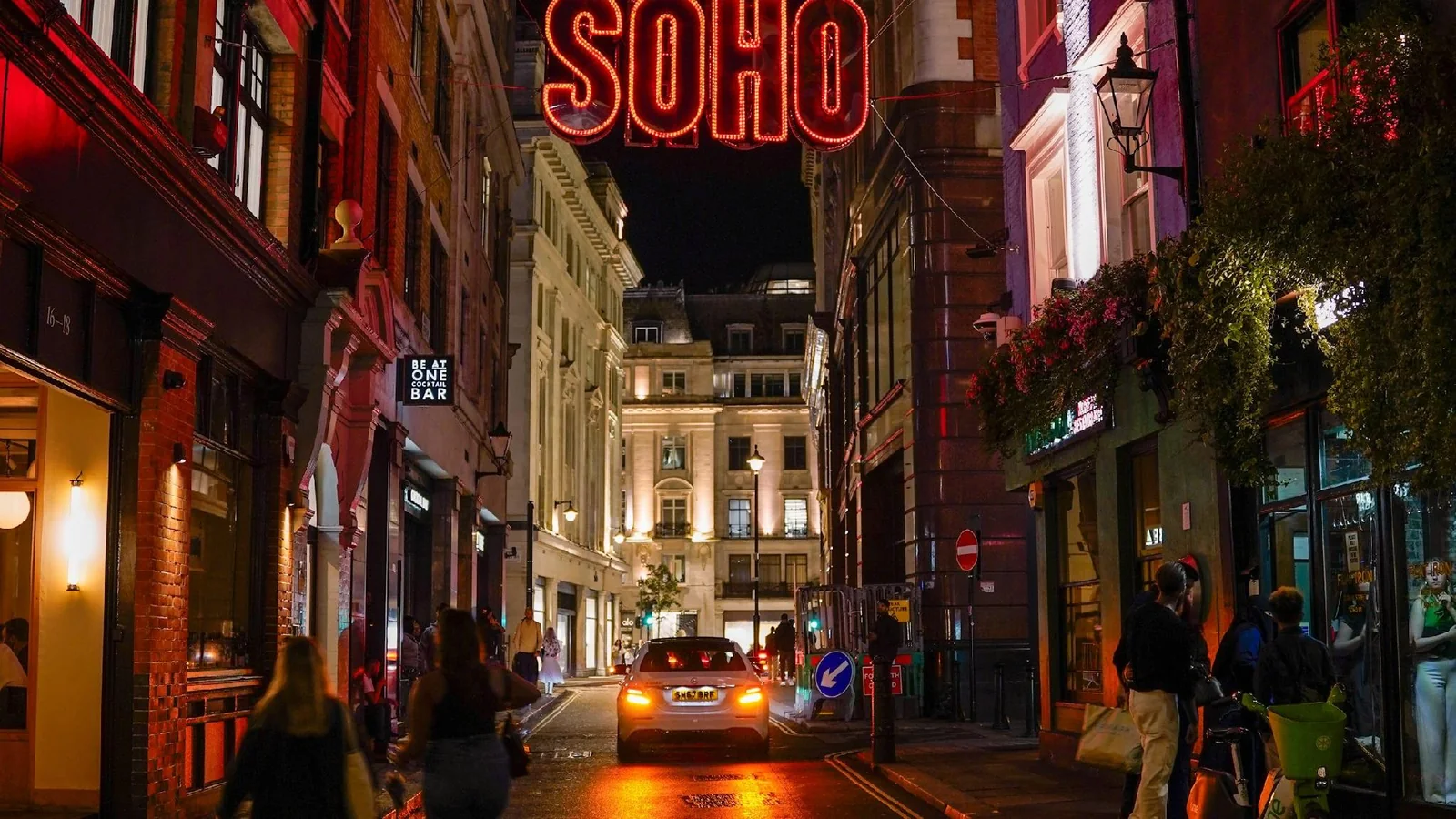
Image source: Nefeli Karanikola on Unsplash
The Phone Has Become Part of the Night Out
In a compact district, the phone works as a live planning tool. A sold-out show, a long queue, or a change in opening hours can redirect an evening within minutes. Restaurants and bars respond with online reservations, current menus, and clearer event information. Theatres extend the relationship beyond the performance through mobile tickets and digital material. An Inside Soho feature on theatre programmes notes that some venues now offer downloadable versions, giving audiences access to cast and production information without relying only on print.
This changes the value of good information. A venue's digital presence now has to answer practical questions about availability, timing, and atmosphere before the visitor arrives. Once inside, QR ordering and digital tickets can remove routine delays, leaving more time for the live experience.
Physical Venues Are Becoming More Experiential
At-home entertainment gives people an easy alternative to travelling into central London. Soho's answer is to offer moments that depend on place: close-up performance, shared atmosphere, and the freedom to move between different venues on foot. Technology can strengthen that appeal through responsive lighting, high-quality sound, interactive installations and programmes that continue online after the event.
The trend reaches beyond Soho. Time Out London reported on Live Odyssey in Camden, an attraction built around themed rooms, music memorabilia, and holographic performances. Its format shows how a London entertainment district can use digital production to create an experience that is still designed for an audience in the room.
Digital Leisure Also Extends Beyond the District
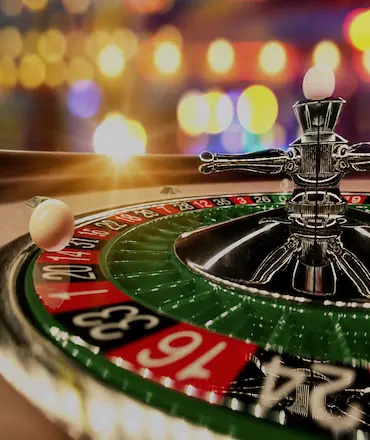
Adaptation also means recognising that an evening no longer has a fixed end point. Streaming, games, and social platforms let people continue at home or choose a fully online night. Casino platforms are one example of this on-demand model. On Luckynuggetcasino.com, the site separates live casino, blackjack, roulette, and other game formats into a mobile-accessible catalogue. The relevant lesson for Soho is the expectation of immediate choice: audiences are accustomed to finding a format, understanding it, and starting without waiting for a scheduled performance.
Physical venues cannot compete with that convenience alone, so they compete through character and human contact. A jazz set on Frith Street, a cabaret performance, or a crowded bar offers the unrepeatable details that a screen cannot reproduce. Digital tools handle discovery and access; the venue must make the journey worthwhile.
Soho's Advantage Is Its Density
Soho can adapt without becoming a technology showroom. Its strongest feature is the concentration of theatres, music rooms, restaurants, and bars within a short walk. Better digital information helps visitors navigate that density, while hybrid programming gives venues another way to reach people before and after a visit. As Time Out London has shown through its coverage of immersive music attractions, digital production can add new dimensions to an experience built around a physical venue. Soho’s future rests on a practical balance: use technology to make decisions easier, then give people a reason to look up from the screen.