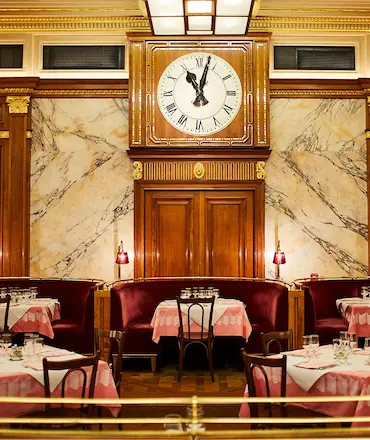
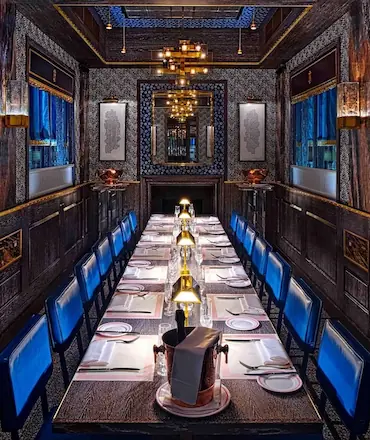
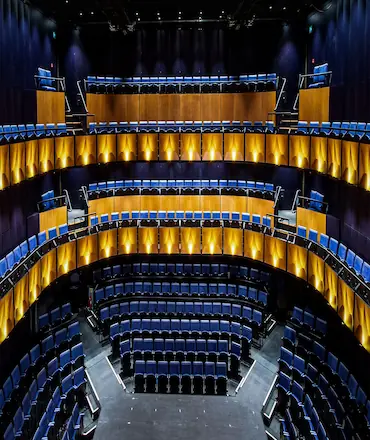
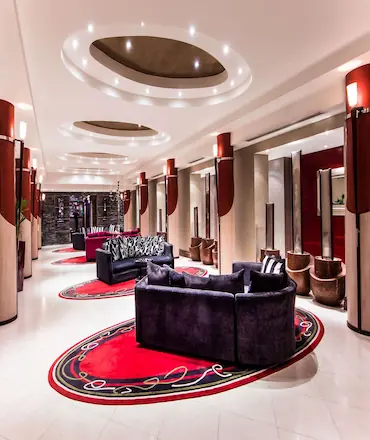
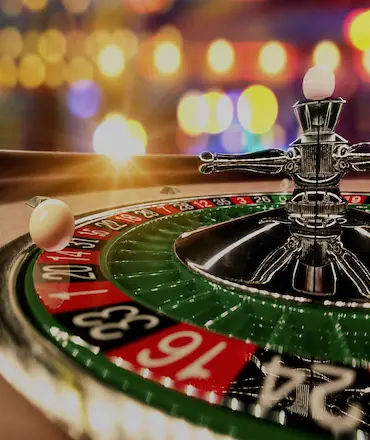
There is a particular moment in Soho when the evening seems to change gear. Theatre doors open, crowds spill onto Shaftesbury Avenue, restaurants prepare for another sitting and people who originally intended to catch the last train home start reconsidering their plans. Somewhere on Frith Street, a jazz musician is preparing for another performance, while around Leicester Square, the casino floors are busy and bartenders are showing no signs of putting their cocktail shakers away.
Other parts of London might be winding down, but Soho has historically regarded bedtime as more of a suggestion than a necessity. Its reputation for late-night entertainment stretches back generations, although what people actually do with their evenings has changed considerably. Exclusive drinking clubs, smoky music venues and old-fashioned gambling establishments have gradually given way to an eclectic collection of restaurants, cocktail bars, casinos and immersive entertainment experiences.
The enthusiasm for a night out certainly hasn't disappeared. Research published by London's independent Nightlife Taskforce in January 2026 found that the capital's wider night-time economy contributes more than £139 billion annually and supports over a million night-time workers. Those figures extend beyond hospitality and entertainment, but they demonstrate just how much of London's economic activity continues long after conventional office hours.
Kate Nicholls, chair of UKHospitality, described London's nightlife as “one of the best in the world” when discussing the findings. Soho deserves a fair amount of credit for that reputation, particularly given how much entertainment it manages to squeeze into such a relatively small collection of streets.
When the Theatre Curtain Falls
The West End's theatre industry provides a remarkable starting point for understanding Soho's nightlife. According to the Society of London Theatre and UK Theatre, the West End attracted a record 17.64 million theatre attendances in 2025, generating approximately £1.08 billion in box office revenue. Despite competition from streaming services and rising household costs, audiences are still remarkably enthusiastic about watching people perform on an actual stage.
The benefits extend well beyond the theatres themselves. The same industry research found that every £1 spent on a theatre ticket generates another £1.40 in spending at surrounding businesses, including restaurants, pubs and shops. A successful musical can therefore be rather good news for the restaurant around the corner, particularly if its audience emerges hungry and in no particular hurry to go home.
For decades, Soho's hospitality businesses have understood the rhythms of theatre audiences. Bocca di Lupo on Archer Street, for example, offers a dedicated pre-theatre menu alongside post-theatre drinks, with the restaurant remaining open until midnight from Monday to Saturday. It is a business model particularly well suited to a neighbourhood where thousands of potential customers become available almost simultaneously when the curtain comes down.
The Venue That Once Housed Polar Bears
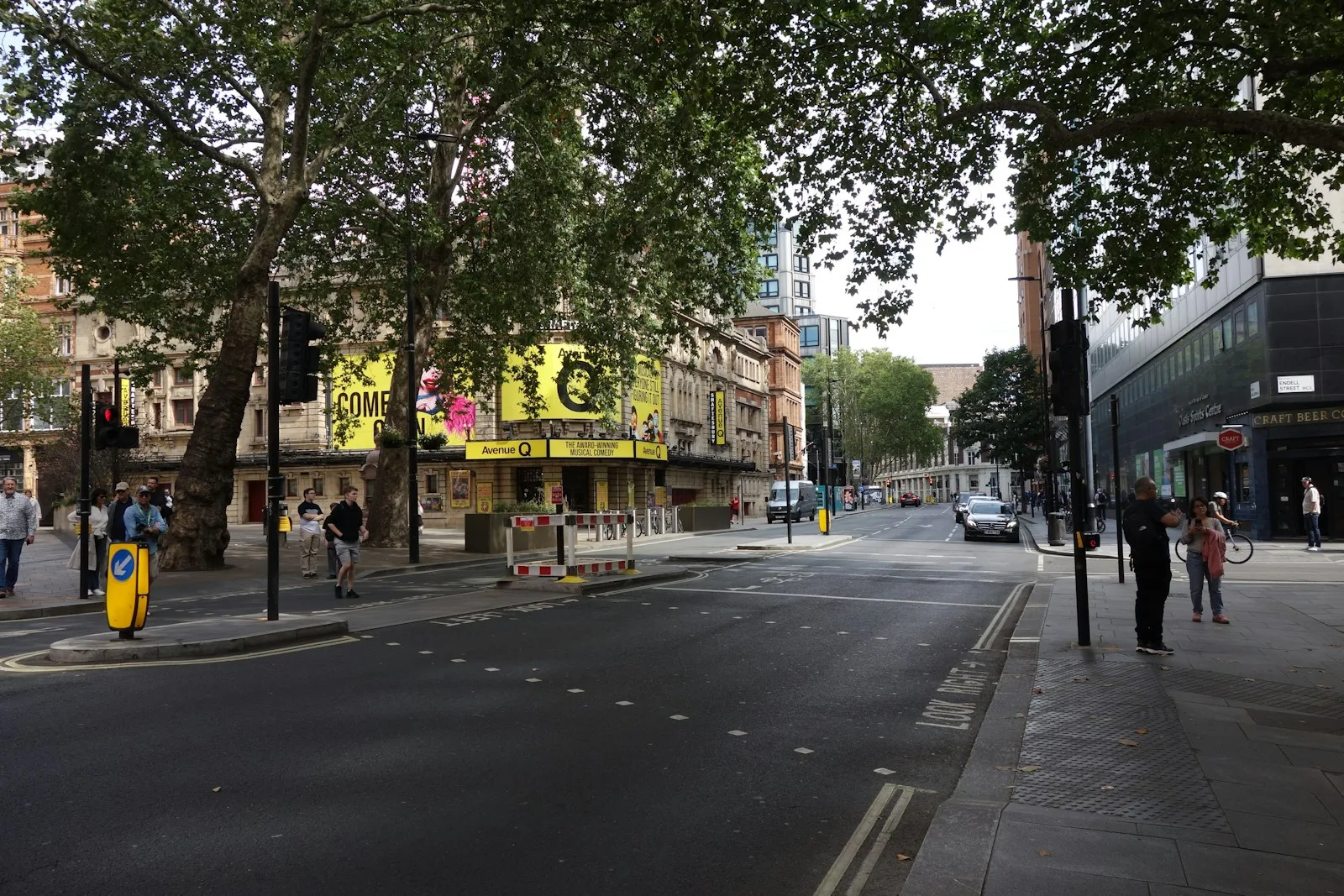
Few buildings capture the changing tastes of London's entertainment industry quite like the Hippodrome on the corner of Cranbourn Street and Charing Cross Road. Today, it is recognised as one of Britain's largest casino and entertainment venues, but its original owners had something considerably stranger in mind.
Designed by celebrated theatre architect Frank Matcham, the Hippodrome opened in January 1900 as a circus and variety theatre. Among its more extravagant features was a vast water tank capable of holding 100,000 gallons, accommodating performances involving polar bears and sea lions. Apparently, Victorian Londoners expected rather more from an evening's entertainment than a decent interval ice cream.
In 1958, the building became the Talk of the Town, attracting international performers including Judy Garland, Shirley Bassey, Tom Jones and Sammy Davis Jr. It later became a nightclub under Peter Stringfellow before eventually reopening as the Hippodrome Casino in July 2012 following extensive restoration.
Simon Thomas, then chief executive of the Hippodrome Casino, described the building's heritage as having made it “one of London's best-known entertainment landmarks” when discussing a book commissioned to celebrate its history.
Today, the Hippodrome occupies approximately 80,000 square feet across seven floors, incorporating three casinos, poker facilities, restaurants, rooftop terraces, bars and a theatre hosting Magic Mike Live. Its transformation reflects a wider change in casino culture. Modern venues increasingly operate as entertainment destinations rather than simply somewhere to play blackjack or roulette.
From Grand Interiors to Small Screens
While London's physical casinos have been expanding their entertainment offerings, the digital gambling industry has experienced considerable growth of its own. Smartphones have changed how people access almost every form of leisure, from ordering food and watching films to buying theatre tickets and playing casino games.
The Gambling Commission's September 2026 industry report revealed that Britain's regulated gambling market generated £17.5 billion in gross gambling yield during the financial year ending March 2026, an increase of 4.4% on the previous year. Online casino games accounted for £5.7 billion, with digital slot games alone responsible for £4.8 billion.
The popularity of UK online slots illustrates how traditional casino entertainment has adapted to a digital audience. Modern titles incorporate elaborate graphics, cinematic soundtracks, historical themes and bonus features that would have been unimaginable when mechanical fruit machines first appeared in British pubs and amusement arcades.
Some games borrow their inspiration from ancient Egypt, mythology or Hollywood-style adventure stories, while others retain the traditional fruit symbols, bells and lucky sevens associated with classic machines. Popular titles such as Book of Dead, Starburst and Fluffy Favourites demonstrate just how varied the creative side of the industry has become.
Online slots nevertheless operate differently from many other forms of digital entertainment because real money is involved. British regulations introduced in 2025 limit stakes per game cycle to £5 for players aged 25 and over, and £2 for those aged 18 to 24. These are regulatory maximums rather than recommended spending amounts, and outcomes remain determined by chance.
Interestingly, the growth of online gambling hasn't made physical casinos obsolete. Britain's land-based casino sector generated £933.9 million in gross gambling yield during 2025/26. Digital convenience and real-world atmosphere appear capable of coexisting, much as streaming services have continued to grow without eliminating the West End's appetite for live theatre.
Jazz, Espresso and Other Reasons to Stay Out
Casino gaming represents only one strand of Soho's late-night personality. Walk towards Frith Street and the atmosphere changes almost immediately, particularly around Ronnie Scott's Jazz Club, which has been part of London's musical identity since 1959.
Founded by saxophonists Ronnie Scott and Pete King, the club helped introduce British audiences to some of America's finest jazz musicians. Decades later, it continues to champion established international artists alongside emerging British talent. Its Late Late Shows run from Wednesday to Saturday, providing an alternative to the conventional nightclub experience.
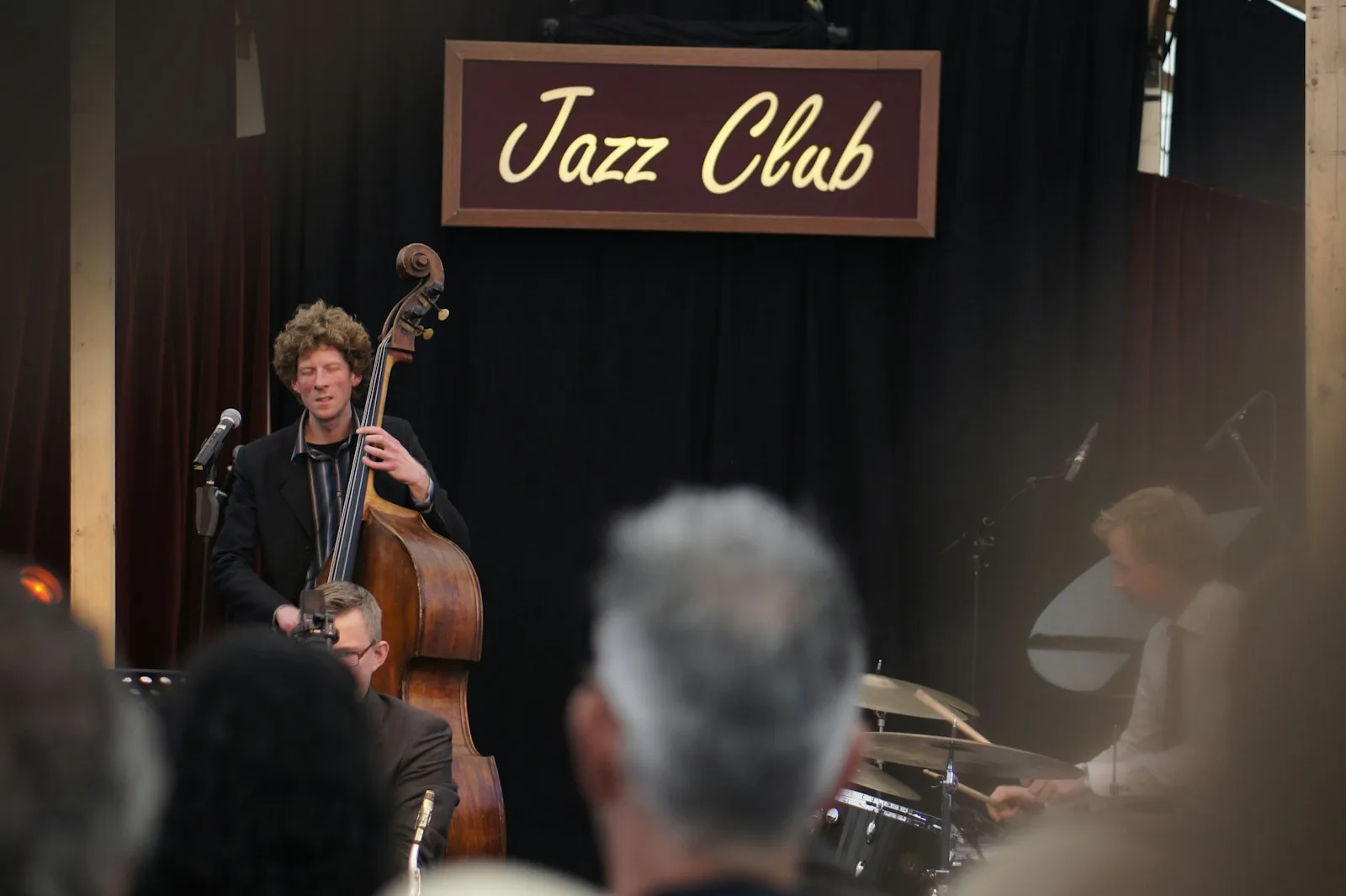
The club also expanded its entertainment offering in 2026 with the transformation of Upstairs at Ronnie's into a 140-capacity live music venue. Smaller performance spaces like this are particularly valuable in a neighbourhood where musicians can experiment with new material and audiences can experience performances without watching most of the action on an enormous screen.
Across the road sits Bar Italia, another establishment that understands Soho's relationship with the night. Established in 1949, the Italian coffee bar became a favourite haunt of musicians, actors, football supporters and late-night regulars. Its history includes visits from David Bowie and appearances in popular culture, most famously through Pulp's 1995 song named after the café.
There is also a curious technological connection. In January 1926, Scottish inventor John Logie Baird demonstrated television at the same Frith Street address, long before the building became a coffee bar. A century later, the technology he pioneered has transformed entertainment across the globe, yet people still gather outside the building to drink espresso and have a conversation.
Getting Home Is Part of the Night Out
One of the more overlooked influences on London's nightlife has been public transport. An evening becomes considerably easier to extend when the alternative doesn't involve spending £70 on a taxi or developing an unexpectedly intimate understanding of the night bus network.
The Night Tube celebrated its tenth anniversary in 2026. Transport for London reported an average of more than 81,000 journeys per operating night, with Saturday services generally proving busier than Fridays. Selected Underground lines operate throughout both nights, making central London's entertainment districts more accessible to visitors and hospitality workers.
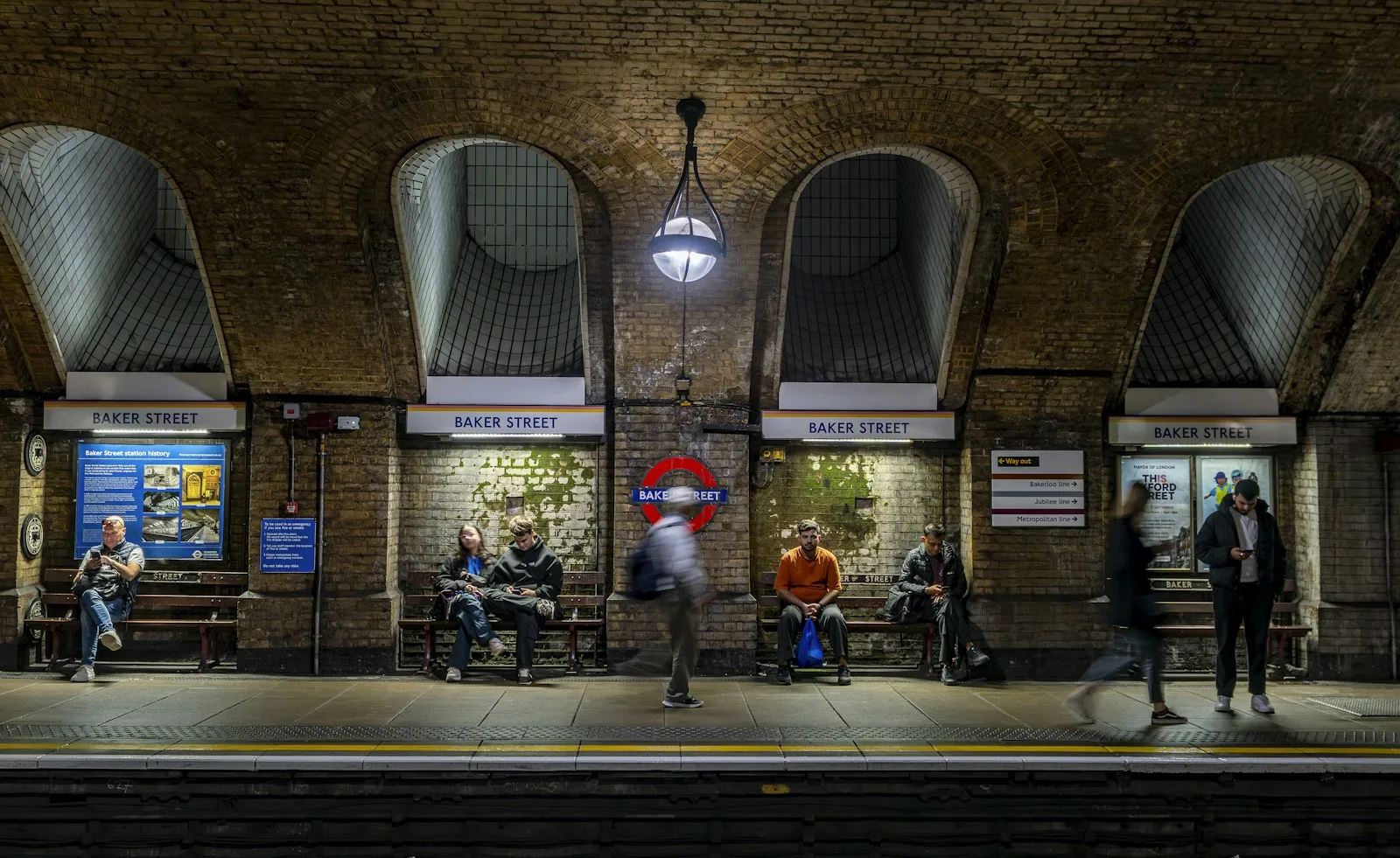
Claire Mann, TfL's operating officer, observed in November 2026 that “London at night has changed significantly over the past decade”. Late-night transport has evolved alongside that change, supporting everything from restaurant workers finishing shifts to music fans travelling home after performances.
For Soho's independent businesses, those connections matter. Customers who can travel home conveniently have greater freedom over when they leave, while employees working unsociable hours have more transport options available. Anyone planning a particularly late evening should still check their individual route, especially during the week when overnight Underground services are more limited.
The Luxury of Having Something to Do
It would be easy to romanticise Soho's past and suggest that everything was more exciting when jazz clubs were filled with cigarette smoke and gambling took place behind discreet doors. In reality, part of the neighbourhood's enduring appeal is its willingness to experiment with new forms of entertainment while retaining the character of its older establishments.
The modern Soho evening is wonderfully difficult to categorise. It might involve Cantonese food in Chinatown, a West End musical, drinks on a rooftop terrace or live jazz in a room small enough to see the expression on the pianist's face. For others, the night's entertainment might continue digitally once they return home.
Very few neighbourhoods offer such a concentration of different experiences, particularly within walking distance of one another. There is always another restaurant to discover, another performance to watch or another establishment tucked behind a doorway that you have somehow walked past a dozen times without noticing.
London has become considerably more expensive, technology has transformed our leisure habits and entire industries have reinvented themselves. Yet Soho still offers something that has been central to its identity for generations: the possibility of an evening turning into something entirely different from what you originally planned.
In most places, midnight means the night is nearly over. In Soho, it can simply mean you've been a little early.