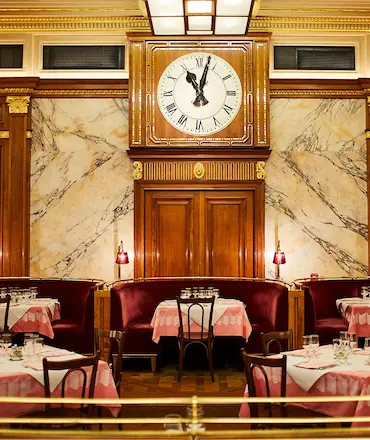
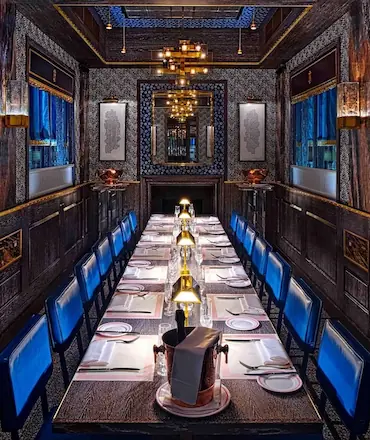
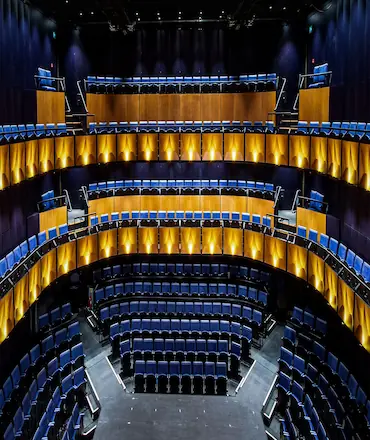
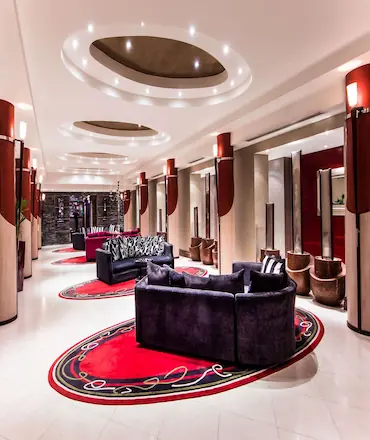
Walk through London's West End after dark and you will find theatres, restaurants, cocktail bars and casinos sharing the same busy streets. In Monte Carlo, casino architecture forms part of the destination's identity, while Amsterdam has developed a rather different relationship with gambling through national regulation.
Although many European casinos feature familiar games such as roulette and blackjack, the history, atmosphere and legislation surrounding them vary considerably from one country to another.
London: Part of a Much Wider Night Out
Few parts of Britain bring together as many forms of entertainment as London's West End. Around Soho and Leicester Square, casinos sit alongside historic theatres, independent restaurants and late-night music venues.
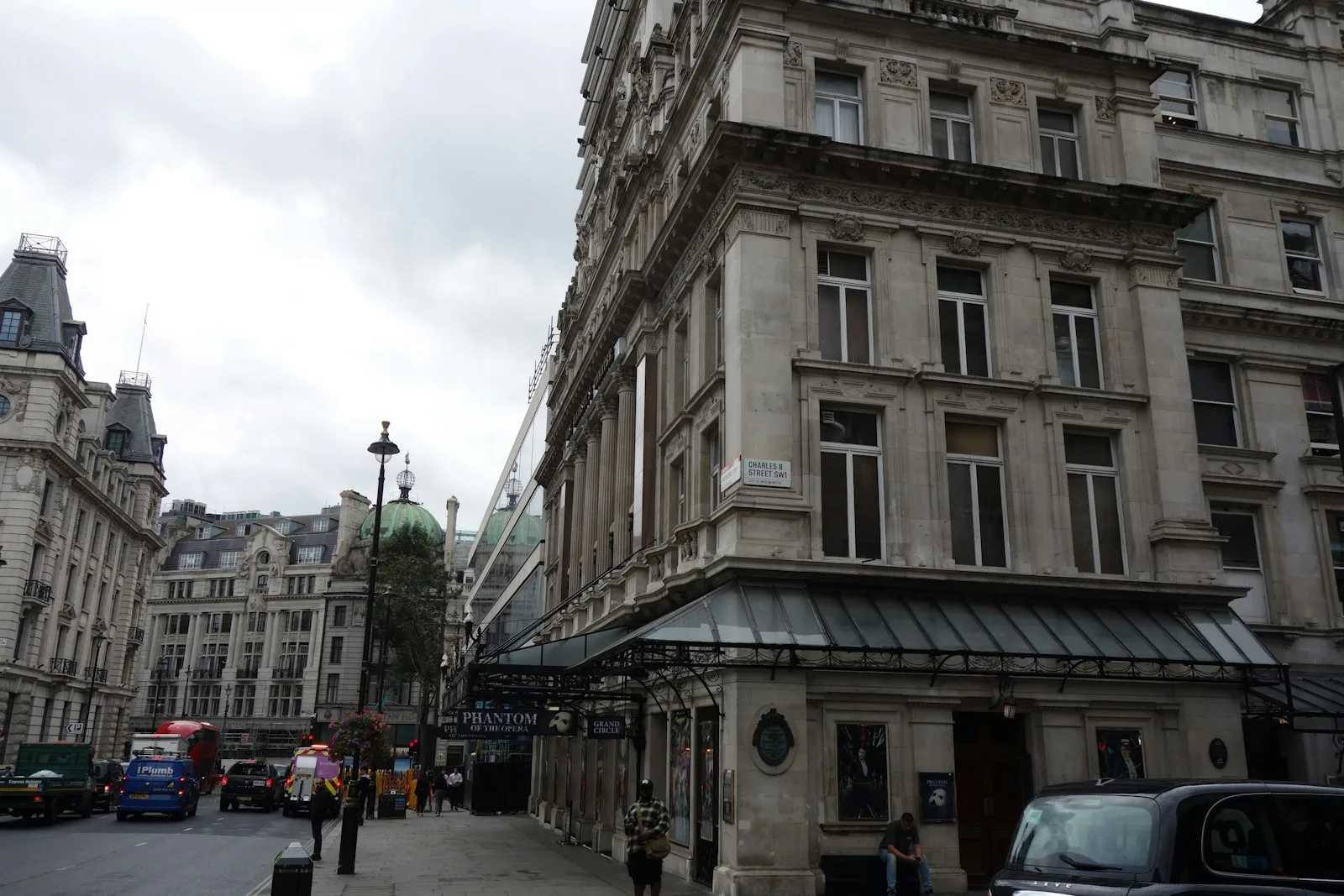
The Hippodrome is perhaps the most recognisable example of this relationship. Originally opened in 1900 as a circus and variety theatre, the building subsequently served as a performance venue and nightclub before becoming a casino in 2012.
Its history reflects the changing tastes of London's entertainment industry. Rather than developing separately from the surrounding nightlife, casino venues have become part of a much broader hospitality landscape, occupying buildings that have often served several different purposes over the decades.
Amsterdam: A Different Approach Altogether
Amsterdam's relationship with casino entertainment is shaped by a different history. Holland Casino opened its first Amsterdam branch in 1986, initially occupying part of the Hilton Hotel before relocating to Max Euweplein in 1991, close to the bustling Leidseplein.
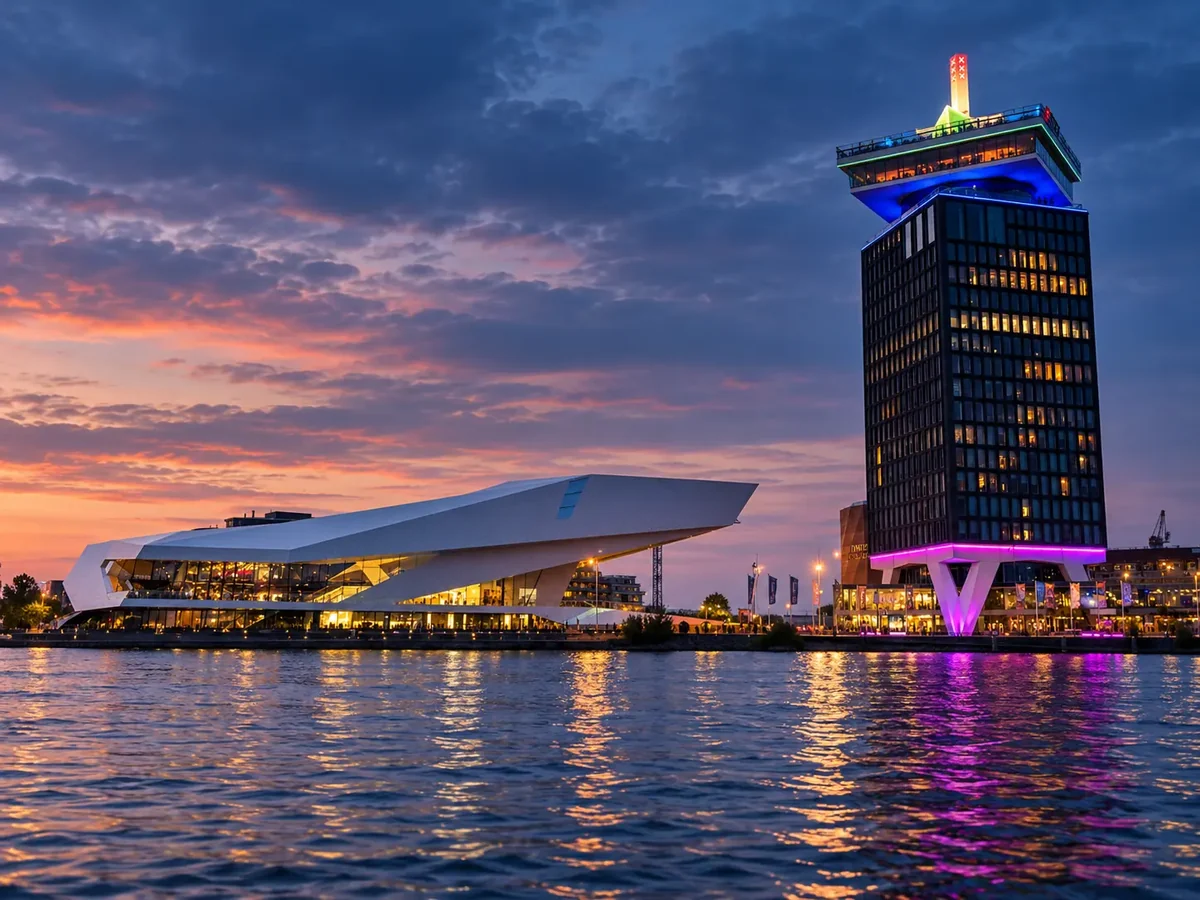
The Netherlands also took a different route towards regulating digital gambling. While Britain had established its modern gambling licensing framework considerably earlier, the regulated Dutch online gambling market opened on 1 October 2021.
Operators such as the Dutch online casino BetCity form part of this nationally regulated market, which is overseen by the Netherlands Gambling Authority. Dutch regulations include identity verification, gambling limits and a central self-exclusion register known as Cruks, which allows individuals to exclude themselves from licensed Dutch gambling venues and websites for at least six months.
The distinction between national markets is important. A gambling licence issued in the Netherlands does not automatically authorise an operator to offer its services to British consumers.
Monte Carlo: Where Architecture Defines the Experience
If London's casino culture is closely associated with theatre and nightlife, Monte Carlo's is inseparable from its architectural heritage.
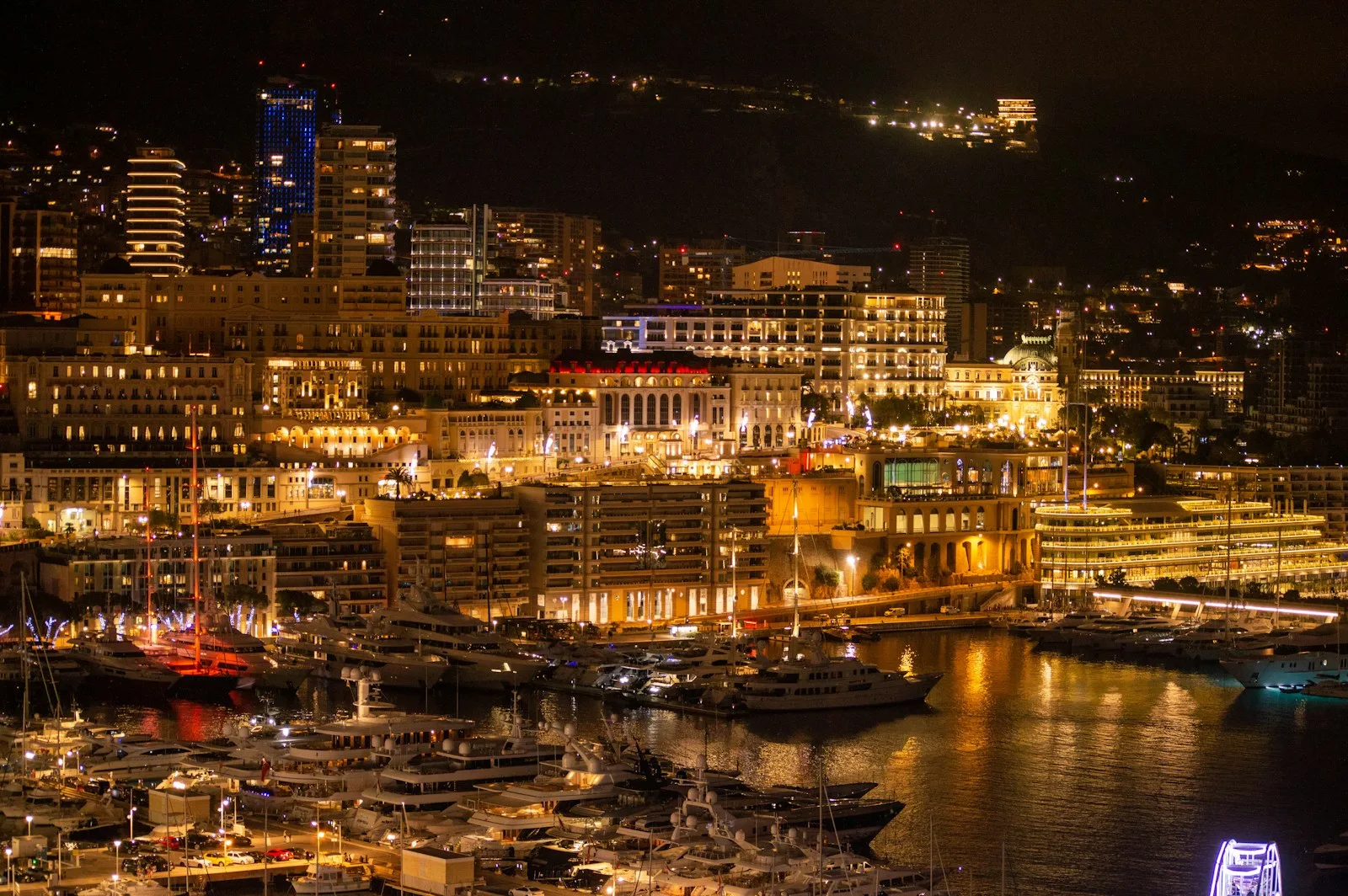
The opening of the Casino de Monte-Carlo in 1863 helped transform the surrounding area into an internationally recognised destination. Hotels, gardens and restaurants subsequently developed around the casino, creating an entire district associated with luxury tourism.
The building's elaborate interiors and association with international cinema have made it a cultural landmark in its own right. Its significance extends beyond gambling, offering an example of how architecture and hospitality can influence the identity of an entire destination.
It is a striking contrast to London's West End, where casinos form just one element of an already diverse entertainment district.
National Borders Still Matter in a Digital World
Digital technology has made many forms of entertainment look increasingly similar across Europe. A music streaming service or an online newspaper may offer much the same experience in London as it does in Amsterdam.
Gambling is more complicated. Despite similarities in website design and game formats, individual countries maintain their own licensing requirements, advertising restrictions and consumer protection measures.
The rules governing access, spending limits and self-exclusion can therefore differ considerably between markets. Gambling also carries financial risks regardless of where or how it takes place, and regulatory protections do not eliminate the possibility of losing money.
What Makes Each City Different?
Monte Carlo illustrates how casino architecture can shape a destination's international reputation. Amsterdam demonstrates the influence of national legislation on an established entertainment industry. London, meanwhile, offers a particularly interesting example of how historic buildings adapt to changing leisure habits.
Back in Soho, this evolution is visible on almost every street. Former theatres, music halls and other entertainment spaces have been reinvented over generations, reflecting the changing interests of the people who live in and visit the capital.
The games themselves may be familiar across Europe, but the cities, buildings and cultural traditions surrounding them tell very different stories.