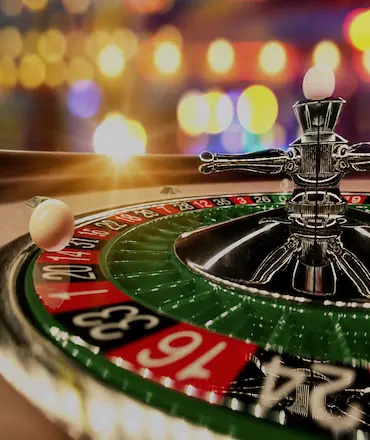
Nightlife in big cities follows different models. In some, the evening revolves around clubs with no closing time; in others, around theatres, restaurants, pubs and bars. London's Soho leans towards the second group but has its own features rooted in the district's history. Comparing it with European entertainment centres shows how opening hours, transport, entry rules and budget shape the character of an evening.
What Makes Soho a Special Nightlife District
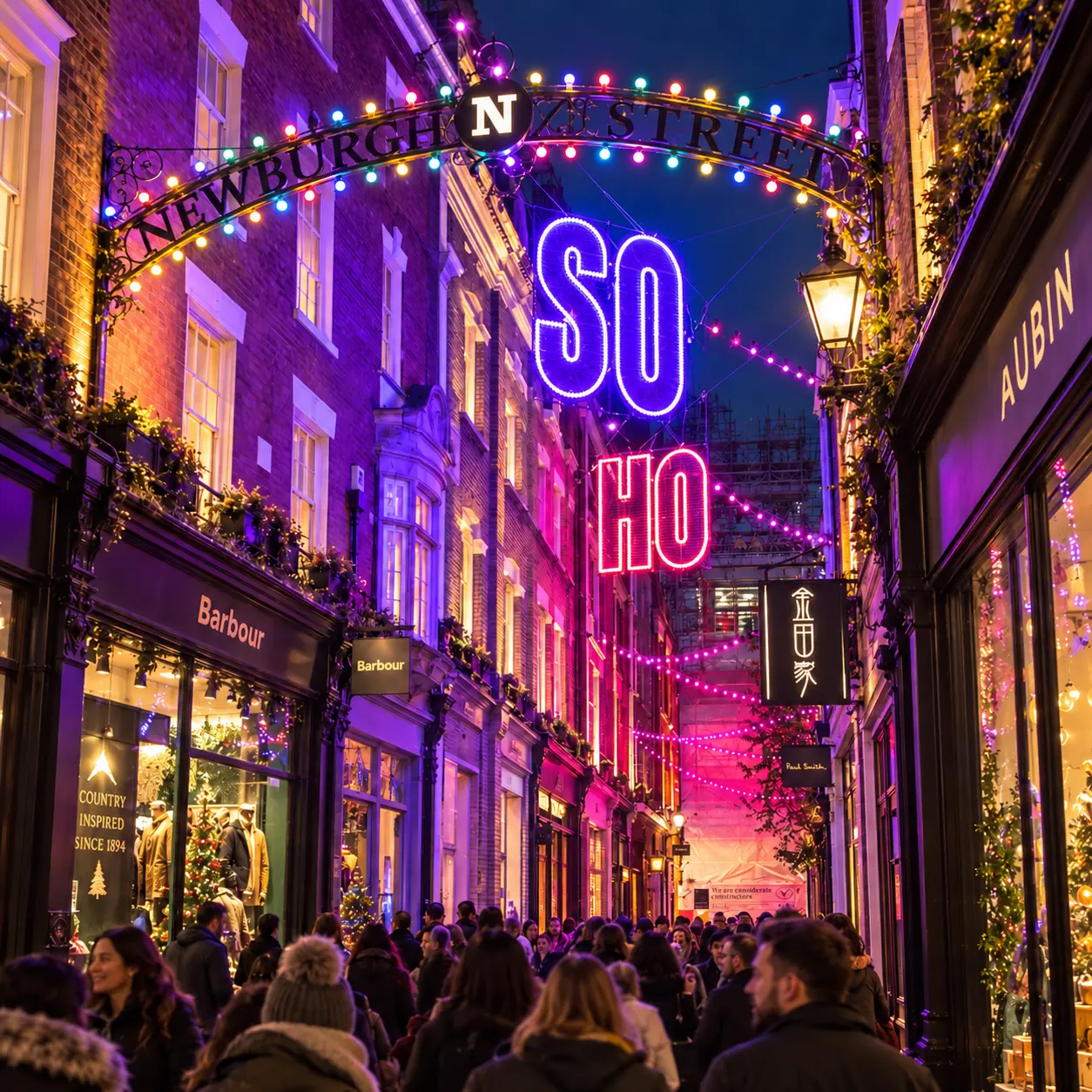
Soho occupies a small area in central London between Oxford Street, Regent Street, Shaftesbury Avenue and Charing Cross Road. On these streets, theatres, restaurants, pubs, bars, cinemas and clubs operate side by side, and in the south the district merges into Chinatown. The main difference from many European quarters is the proximity of the West End theatre district and evening leisure.
Theatres set the rhythm of the evening. In 2025, 17.64 million tickets were sold for West End shows, and revenue reached a record £1.084 billion. At the same time, 74% of tickets cost less than £85, and more than a quarter cost less than £35. According to the Society of London Theatre, every pound spent on a ticket is matched by a further £1.27 spent in local hotels, restaurants and shops.
For tourists, this means that the theatre can serve as the start of the evening, with the rest of the route built around dinner and bars. This order is convenient because the performance sets the time and the other stops adjust to it.
How a Gambling Venue Fits into a Big-City Evening
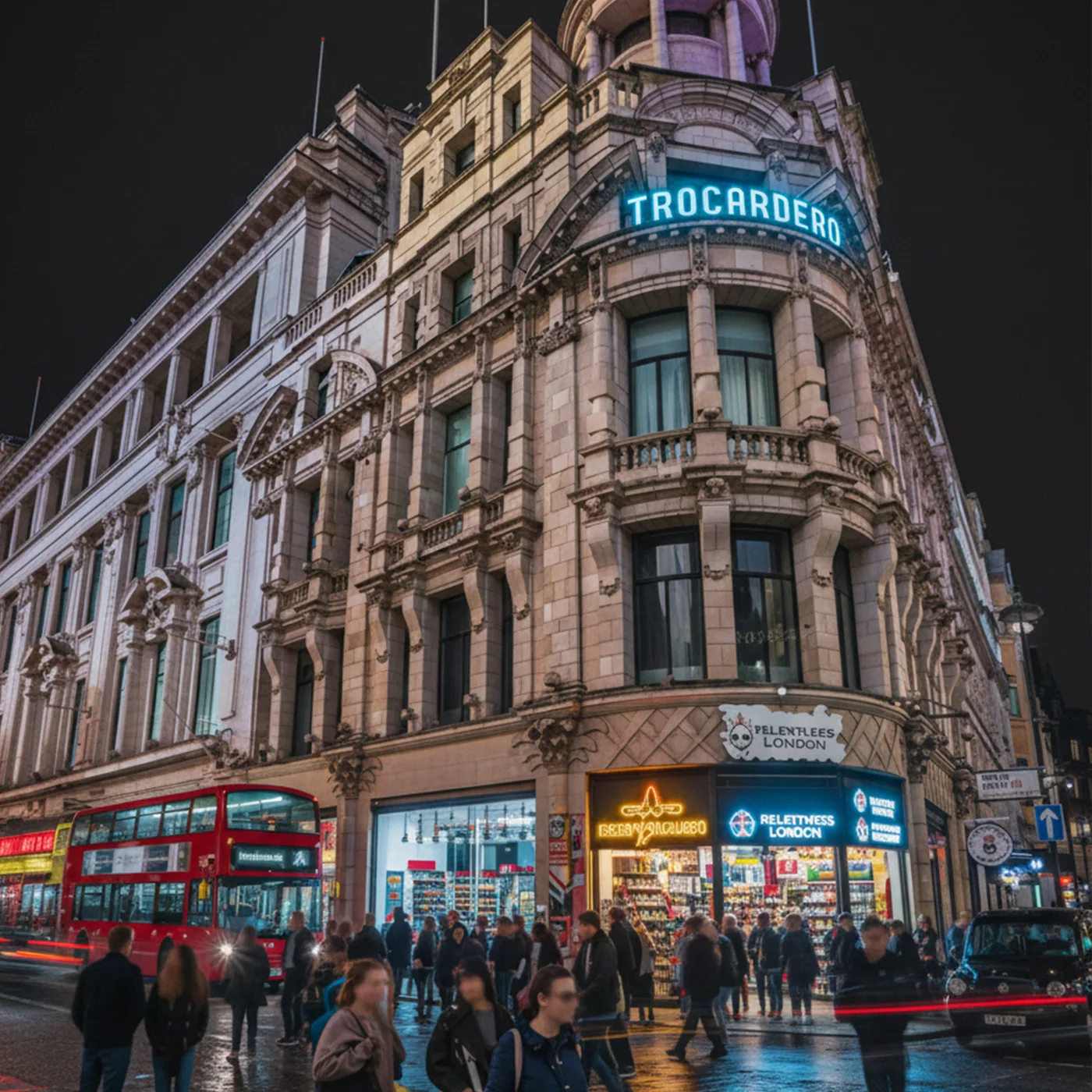
The casino occupies a special place in an evening itinerary because it operates under rules that differ noticeably from country to country. In London, in the Leicester Square area, gambling venues sit alongside theatres, restaurants and bars. In continental Europe there is no single model: EU casinos are subject to the national rules of each country, since there is no licence at EU level.
In the UK, entry to a casino requires being 18 and holding photo ID. Some venues apply the Challenge 21 system: if a person looks younger than 21, staff ask them to prove their age. Many London casinos have a dress code that excludes T-shirts and open footwear.
Among EU countries, the entry age is most often 18: this is the case in Germany, France, Spain and Austria. In Belgium and Greece the threshold is higher, at 21. Documents and dress code are determined by each country and each venue separately.
Evening hours remain the core period for casinos. According to a letter from the Betting and Gaming Council and Genting UK, the time after 22:00 accounted for 50 to 70 per cent of UK casinos' turnover. The same letter noted that the typical UK casino customer is 48 years old. The then Chief Executive of the BGC, Michael Dugher, described their role this way: "casinos are a very important part of our country's leisure industry".
The table below compares the main characteristics of casinos in London and in EU countries.
| Criterion | Casinos in London | Casinos in EU countries |
|---|---|---|
| Regulator | Gambling Commission, a single licence for the UK | National regulators, no single EU licence |
| Minimum age | 18 | Most often 18; 21 in Belgium and Greece |
| Entry and verification | Photo ID; Challenge 21 at some venues | ID; requirements set by the country |
| Dress code | At many venues, no T-shirts or open footwear | Depends on the country and the venue |
| Online access for UK residents | A Gambling Commission licence is required | An EU country's licence does not give UK players lawful access |
The main takeaway: the conditions of a visit are determined by jurisdiction. In London, a casino is subject to uniform British rules and is built into the city centre, while in Europe the conditions of entry and online access depend on the country. It is therefore advisable to check the licence and the rules of a specific venue before the visit rather than at the door. The same rule applies to online casinos: a licence from another country does not replace a British one, and a licence from one EU country does not automatically give the right to operate in another.
Opening Hours and Rules: London, Berlin and Amsterdam
European cities handle the question of nightlife hours in different ways. In Berlin there is no official closing time, so many clubs operate continuously from Friday evening until Monday. This sets the city apart from other German cities, where such restrictions apply.
Amsterdam chose a different path. Since 2012, the city has had a night mayor, and 24-hour licences have been introduced for selected venues. They are issued sparingly: by 2022, 13 clubs and catering venues held such permits, and four more were planned. According to the first night mayor, Mirik Milan, since the start of the trial licences the level of violence has fallen by 15 per cent while foot traffic has risen by roughly 50 per cent.
London combines several approaches. The Night Czar post was created in 2016 following Amsterdam's example, and City Hall set the goal of making the capital a 24-hour city. Various measures are in place for this, including night transport.
The main models of nightlife regulation in the three cities:
- Berlin: no official closing time
- Amsterdam: 24-hour licences for a limited number of venues
- London: a Night Czar, a 24-hour city plan and night transport
For the traveller, these differences lead to a practical conclusion: closing and entry rules cannot be carried over from one city to another. The hours of a specific club, bar or casino should be checked separately.
Getting Home: Transport After Midnight
For a London evening, the Night Tube plays an important role. On Fridays and Saturdays, five lines run all night: Victoria, Central, Jubilee, Northern and Piccadilly. The first night trains began running in August 2016. The service was suspended in March 2020, and the last line returned in July 2022. Soho is served by Tottenham Court Road, Leicester Square and Piccadilly Circus stations, and the Central, Northern and Piccadilly lines are part of the night network.
When planning an evening, it is important to remember that the Night Tube runs only on Friday and Saturday. On weekdays, you have to get back by night bus or taxi, so it is better to tie the end of the evening to the timetable. Night transport differs between European cities, so check the schedule in advance.
The Evening Budget
The budget for an evening in Soho depends heavily on the chosen format. Theatre tickets remain relatively affordable: almost three quarters of West End tickets in 2025 cost less than £85. In Berlin, guidebooks give an entrance fee of €10 to €20 for small clubs and €15 to €25 for large ones.
Typical items of evening spending:
- a theatre or event ticket;
- dinner or a bar before and after the show;
- entry to a club or casino, if it is paid;
- transport home, especially on weekdays;
- a reserve for unexpected expenses.
There is a separate rule for casinos: the amount it is acceptable to spend is set before the visit and is not revised during the evening. UK-licensed online casinos are required to offer players deposit limits and self-exclusion, whereas in EU countries such tools are determined by national rules.
For an evening in Berlin, Amsterdam or London, it makes sense to decide in advance how many venues to visit: each additional place increases the cost of entry, drinks and transport.
How to Choose the Format of Your Evening
The choice between a theatre evening in Soho, a club night in Berlin and a stroll around a city with 24-hour venues depends on three factors: the desired rhythm of the evening, transport and budget. London is convenient because in a single district you can combine theatre, dinner and a bar without long journeys. In Berlin and Amsterdam, the choice of venue depends on the specific club and its hours. For a first evening in Soho, it is enough to pick one main event and two or three venues nearby.
A practical scheme for choosing the format:
- decide when the evening will end and how you will get back;
- check the opening hours and entry rules of the chosen venues;
- buy tickets for the show or event in advance;
- set a budget for the evening and a reserve for transport;
- for casinos, check the age requirement, ID and dress code.
The conclusion of the comparison is simple: Soho combines theatre tradition, the proximity of restaurants and bars, and well-developed night infrastructure, while European centres offer other regimes, from clubs with no closing time to selective round-the-clock licences. The choice depends not on the district's reputation but on which rules, transport and budget accompany the evening.