Soho has always been a hub for creativity. Its historic alleys are now going through a new change. Flexible workplaces are the main part of this shift. Businesses can use these newly created spaces instead of traditional leases. They give businesses an environment that is flexible and open to change. Flexible leasing is becoming a new standard. This article explores how these workspaces impact Soho. It will look at their role in driving business growth. The future of Soho's business scene is flexible. It is also more responsive than ever before.
The Shift to Flexible Leasing Models
The shift to flexible leasing is a response to a changing market. Traditional leases often locked businesses into long-term contracts. This created financial risk for many startups. The rise of the gig economy also played a role, creating a need for more adaptable work arrangements. Flexible leasing models offer short-term agreements bundled with all-inclusive services. This model gives businesses greater agility and security. For example, fintech innovation in London has thrived in part because startups can scale their workspace needs without heavy overhead. A tech startup can simply add desks as it hires, while a small design firm can rent a few desks without committing to a large office. This flexibility is a game-changer for many businesses. It provides stability to innovate and grow while reducing the high costs of traditional offices. This model is reshaping the very fabric of Soho’s business landscape
Driving Cost Efficiency and Business Growth
One of the biggest advantages is cost efficiency. Traditional office spaces require a lot of upfront capital. Businesses must pay for furniture and utilities. They must also pay for maintenance. Flexible workspaces bundle these costs into a single fee, helping businesses manage their finances more efficiently. They can avoid unexpected expenses and capital outlays. This financial predictability is a major benefit. It enables them to shift resources to other areas. They can spend more on marketing and making new products. This leads to faster and more sustainable growth. The ability to scale space as needed also saves money. A company can avoid paying for unused space. A film production business, for instance, needs temporary space. This kind of adaptability isn’t unique to Soho. A similar approach is evident in New Zealand, where the UK-NZ FTA has opened up new opportunities for digital businesses in both nations. A great example is the online casino sector in NZ, which like many digital-first companies, relies on scalable models to stay lean and competitive. They leverage flexible workspaces to quickly adjust platforms and save on fixed infrastructure costs.
Flexible Workspaces as a Hub for Innovation
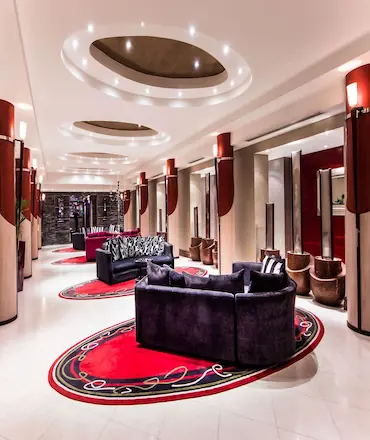
Flexible workspaces are more than just office space. In terms of creativity and teamwork, flexible workplaces are flourishing hubs. They convene a wide spectrum of professionals. Everyone from solopreneurs to well-established businesses falls under this category. Here, new relationships and networking are fostered, even events and seminars are often held at these venues. Member skill development is aided by this, and new connections are also facilitated for them. A graphic designer and a coder might cross paths, for instance, and a new app concept might emerge from this. The mood is usually set up to make people think creatively. It has a contemporary style and cozy common spaces. The result is a setting that is lively and full of life. It offers a nurturing environment for innovative ideas.
The Future of Soho's Business Scene is Flexible
Soho’s business scene holds plenty of opportunities for the future. There is more than one alternative to conventional office spaces nowadays; many options are now available to businesses. A greater sense of freedom and control is imparted by these modern models. Businesses can take action more quickly and easily because of this. It helps them do more effectively in a field that is always shifting. Another thing is that open work arrangements are a great way to encourage creativity.