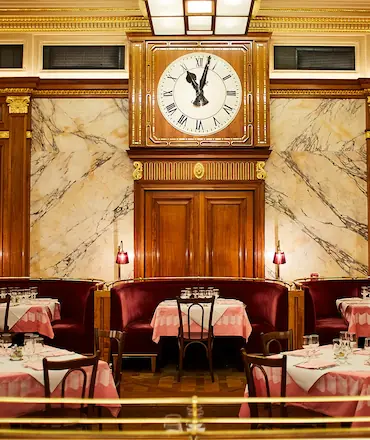
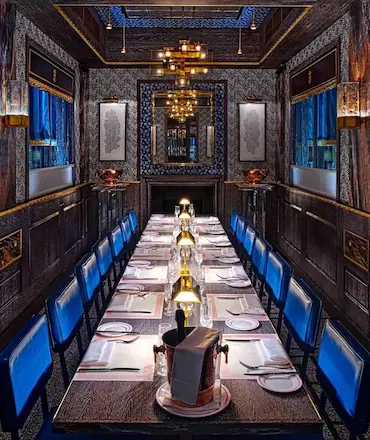
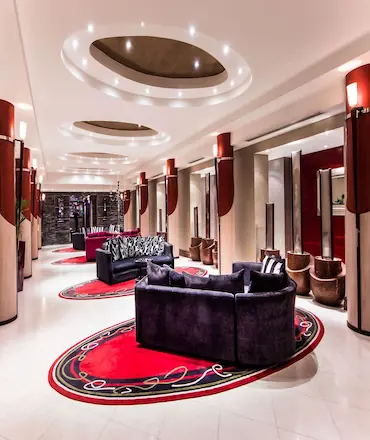
A successful office has to do more than provide enough desks. It should support focused work, informal conversations, client meetings and the everyday routines that keep a team moving. In Soho, where businesses often need to make careful use of distinctive buildings, interior details can noticeably affect how a workplace feels. Natural wood surfaces offer a practical way to add warmth and individuality without making an office appear overly decorative. Used selectively, timber can connect reception areas, kitchens, meeting spaces and shared work zones while helping even a compact workplace feel considered and welcoming.
Why Surface Choices Matter In An Office
Office design is often discussed in terms of layout, lighting and furniture, but the surfaces people touch every day deserve equal attention. A counter used for morning coffee, a meeting table where ideas are presented and a reception desk seen by every visitor all contribute to the impression a business creates.
Natural timber can soften interiors dominated by glass, metal, painted walls and computer equipment. Its grain introduces texture, while different species and finishes can suit anything from a restrained professional office to an expressive creative studio. The aim is not to cover every area in wood, but to use it where it provides both a useful surface and a visual focal point.
Make The Reception Area More Welcoming
The reception area sets expectations before a meeting begins. In a small Soho office, this may be a compact counter near the entrance. In a larger workplace, it could include a full reception desk, a waiting area and space for displaying products or printed material.
A timber surface can make this area feel warmer and less corporate, particularly when paired with simple cabinetry and clear signage. It can also connect a contemporary fit-out with the character of an older building. Any worktop used for a reception counter should be properly supported, accurately measured and finished for regular contact.
Design An Office Kitchen People Will Use
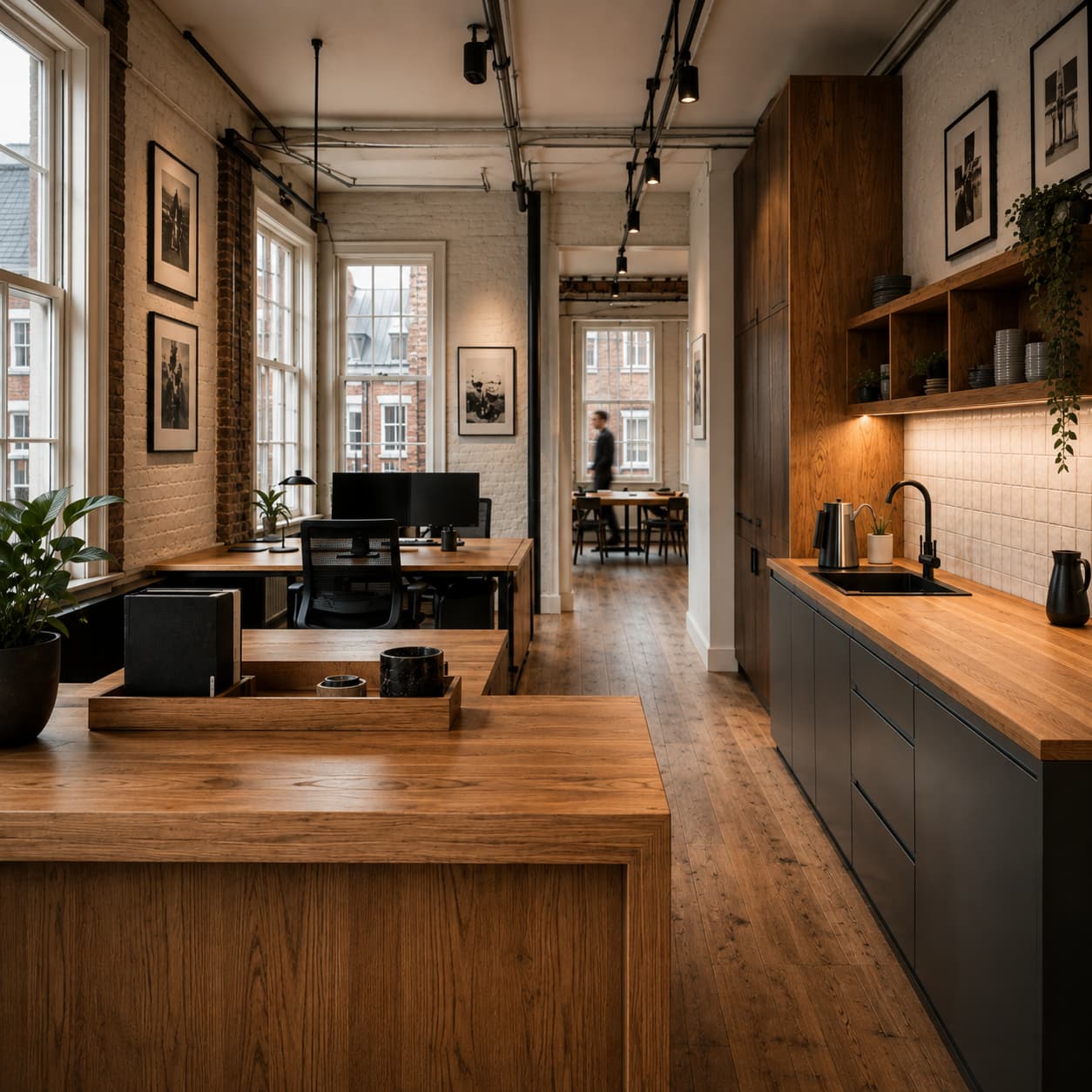
The office kitchen or tea point is one of the most frequently shared parts of a workplace. Even where space is limited, a well-planned area for preparing drinks, storing food and taking a short break can improve the daily experience for employees. It also keeps kettles, mugs and lunch containers away from desks and meeting rooms.
Choosing suitable wood kitchen worktops can give this practical area more warmth than many standard commercial finishes. Timber works well with neutral cabinets, simple splashbacks and black or stainless-steel fittings. It should, however, be specified with realistic maintenance in mind. Spills need to be wiped up promptly, wet items should not be left on the surface, and the worktop should be finished and cared for in accordance with the relevant guidance.
Use Longer Worktops For Shared Areas
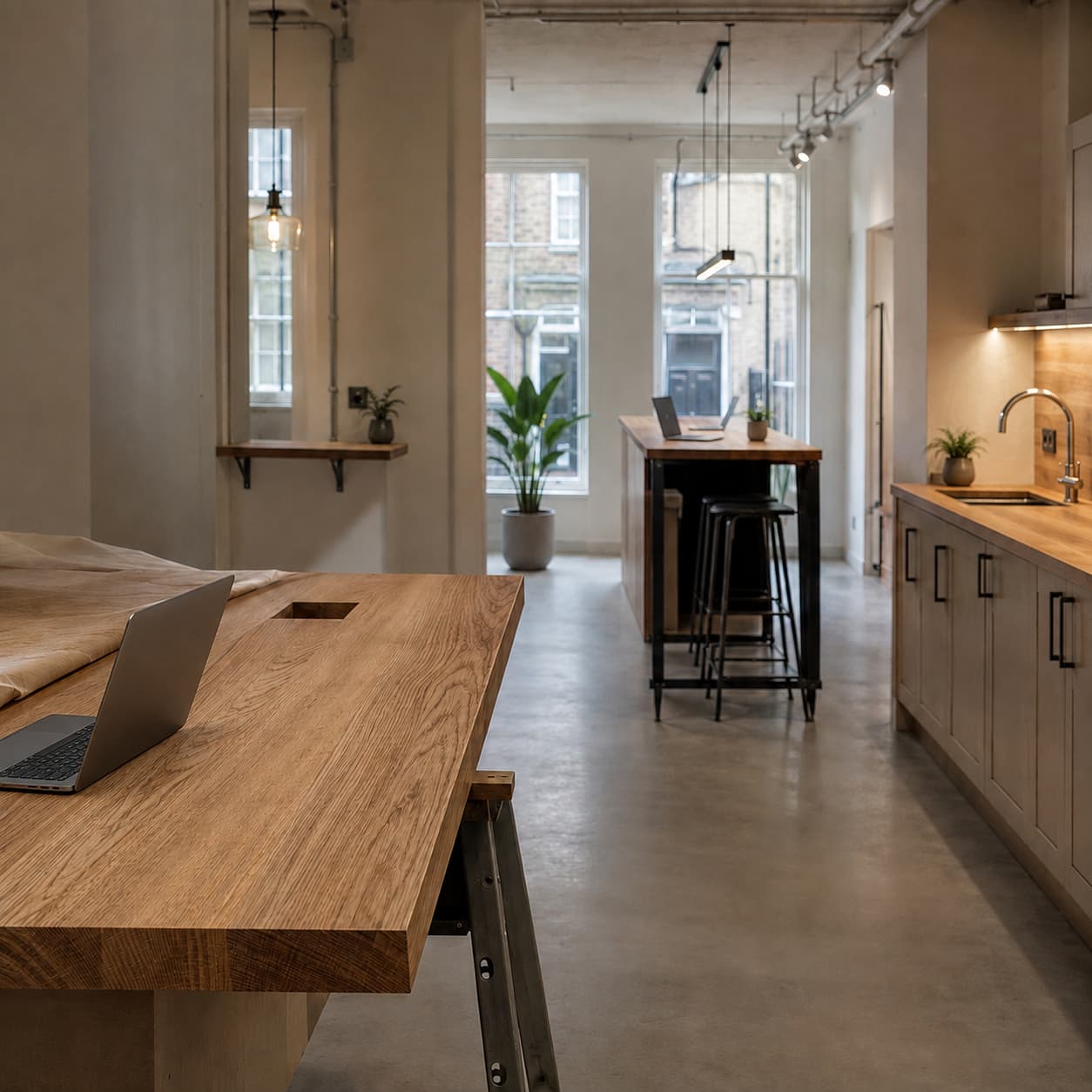
Some offices need more than a compact kitchen counter. A longer surface can house appliances at one end, provide preparation space in the middle and form a standing coffee bar at the other. It can also create a clear visual line through an open-plan area.
For larger layouts, 4m kitchen worktops may help create a long run with fewer joins. This can produce a cleaner appearance, although access needs careful thought. Lifts, staircases, doorways and turning space should be measured before a long worktop is ordered. In many Soho buildings, arranging a suitable cut-to-size solution before delivery may be more practical than attempting to manoeuvre a full-length piece through restricted access.
Add Flexible Collaboration And Breakout Spaces
Not every discussion needs a formal meeting room. A high counter with stools can provide a useful place for a quick project review, while a long shared table can support workshops, team lunches or informal meetings. Natural wood can help these areas feel distinct from rows of conventional desks without requiring permanent partitions.
Worktops can be incorporated into suitable frames or cabinetry to create standing-height counters, window-facing work bars or shared project surfaces. The supporting structure matters, particularly across longer spans, so the design should account for the weight of the timber and the way the surface will be used. Cable access, sockets and monitor positions should also be planned before cutting begins.
Choose Timber To Suit The Interior And Routine
The right wood depends on the wider interior rather than a single trend. Lighter timbers can suit bright, understated offices, while richer tones can create contrast in hospitality-inspired meeting rooms and client areas. Grain pattern also matters. A more uniform appearance may suit a calm professional setting, whereas stronger variation can become a feature within a creative studio.
Samples are useful because photographs cannot fully show colour, texture or how timber will respond to the light in a room. The maintenance routine should also be considered before a surface is chosen. Coasters, mats and chopping boards can prevent avoidable marks, while cleaning products should be suitable for finished wood. Natural timber is not maintenance-free and may need periodic attention, particularly around sinks, taps and frequently handled edges.
Measure The Space, Access And Services Together
Good results depend on more than the dimensions of the finished counter. Measurements should account for walls that are not perfectly square, cabinet positions, appliances, sink cut-outs, taps, sockets and exposed pipework. Accurate templates may be needed where a building has irregular corners.
Access should be assessed at the same stage, not after the worktop arrives. Delivery restrictions, loading arrangements and working hours can be important in a busy central London location. Coordinating the surface with the joiner, kitchen fitter, electrician and plumber can prevent late alterations and help ensure every cut has been considered before installation begins.
Creating A More Characterful Place To Work
A Soho office does not need a complete redesign to feel more welcoming and distinctive. Introducing natural wood in the areas people use and notice most can change the atmosphere while serving a clear practical purpose. A reception counter, office kitchen, shared work bar or meeting surface can all become stronger features when the material, dimensions, support and maintenance requirements are considered together. The best result is not simply a stylish worktop, but a surface that fits the building, supports the way the team works and continues to look appropriate as the business develops.